
Pet (domesticated companion animals): types, care, and social role
An accessible overview of pets: definition, common species, care and welfare, historical roles, distinctions from working animals, and the role of shelters and adoption.
Pet commonly refers to an animal that lives with people primarily for companionship, entertainment or emotional support rather than for economic production or food. A pet is typically a domesticated animal kept in or near the home and not usually required to perform labor for its owners (work animals are considered separately). Ownership patterns vary by culture and law, and individual arrangements range from casual caretaking to lifelong family membership.
Image gallery
10 Images





Common types and characteristics
Across many regions, a relatively small set of species accounts for the majority of companion animals. The most familiar examples include dogs and cats, which often live indoors and form close social bonds with people. Aquatic pets such as fish are kept for observation and hobbyist pursuits. Small mammals are popular for households with limited space: generic rodents, lagomorphs (rabbits), and specialized pets such as ferrets. Birds, a wide range of birds, appeal to owners for song, color, and interaction. Some people keep certain reptiles and amphibians, while arthropod enthusiasts maintain tarantulas and crabs among other invertebrates (arthropods, tarantulas, hermit crabs). These groups are especially common in parts of the world such as North America.
Working animals versus companions
Not all animals that live with people are called pets. Large mammals used primarily for labor—such as horses, elephants in some cultures, or draft animals like oxen and donkeys—are typically classified as working animals rather than pets. Some species blur the distinction: certain dogs are trained to assist humans, herd livestock, or perform search-and-rescue, while birds such as falcons or historical uses of carrier pigeons were valued for services rather than companionship alone.
Smaller companion animals are often chosen for practical reasons—size, temperament, lifespan, and ease of care. For many households, rodent and small mammal species are popular entry points into pet ownership because they require less space and can be easier to manage than large mammals.
Examples: rodents and small mammals
- Guinea pigs — social, vocal, and commonly kept for interaction.
- Rabbits — technically lagomorphs, kept both indoors and outdoors.
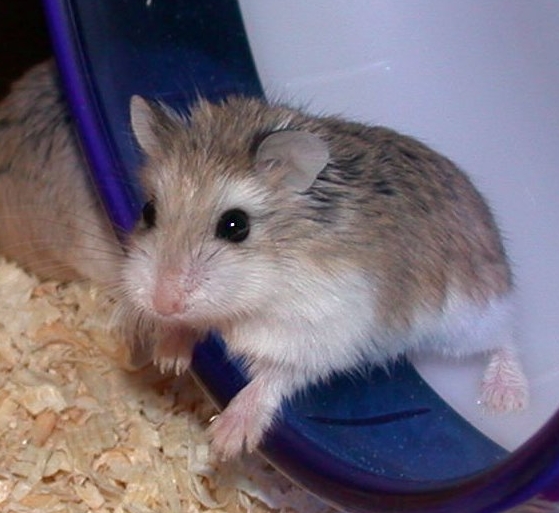
- Syrian hamsters and dwarf hamsters — small, popular for first-time owners.
- Mice and rats — intelligent and often kept as companion animals or in hobbyist settings.
These examples illustrate the range of animals people keep for companionship. Choice of species is influenced by lifestyle, allergies, local regulations, and ethical considerations. Responsible ownership involves learning species-specific needs for diet, housing, social contact and veterinary care.
When owners can no longer care for a pet, they may surrender it to an animal shelter, rescue group or rehoming network. Shelters aim to find new owners but may face limited space and resources; when rehoming is not possible and an animal is suffering, euthanasia can be considered by veterinary professionals as a last resort. Many communities promote adoption, spay/neuter programs, and education to improve outcomes for companion animals.
Historically, the human–animal bond has taken many forms: from early commensal relationships that led to domestication, through specialized roles in hunting, guarding and herding, to the modern emphasis on emotional support and leisure. The term "pet" continues to evolve as people rethink our responsibilities toward animals, animal welfare standards, and legal frameworks that affect ownership, trade and conservation.
For further reading on welfare, responsible ownership and species-specific guidance, consult reputable sources and local animal health professionals or organizations. Basic preparation and respect for an animal's behavioral and physical needs are central to a healthy, lasting companion relationship.
Related articles
Author
AlegsaOnline.com Pet (domesticated companion animals): types, care, and social role Leandro Alegsa
URL: https://en.alegsaonline.com/art/76039