
Bird (Aves): characteristics, evolution, behavior, and human relationships
Comprehensive overview of birds (Aves): anatomy, adaptations for flight, evolutionary origins, behavior and life cycle, human uses and conservation, plus notable distinctions and facts.
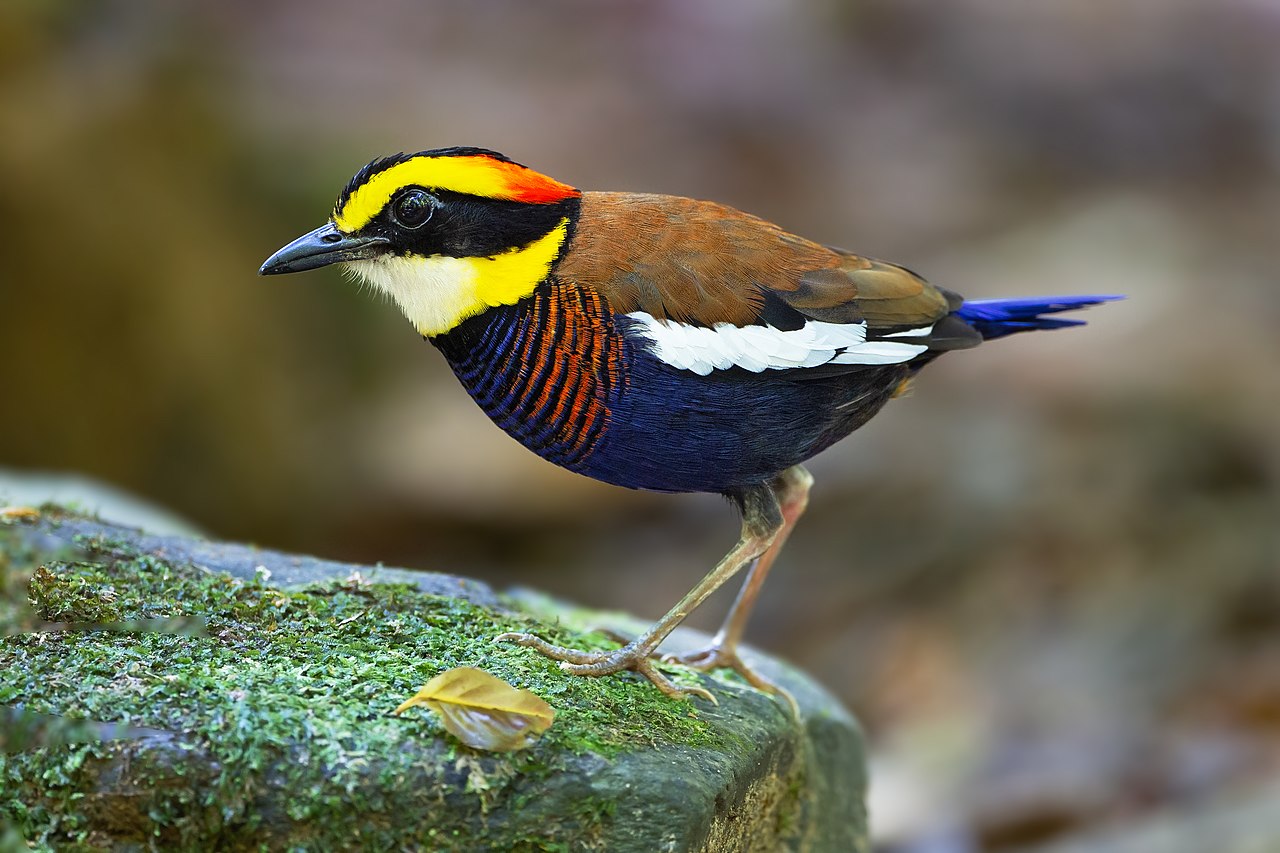
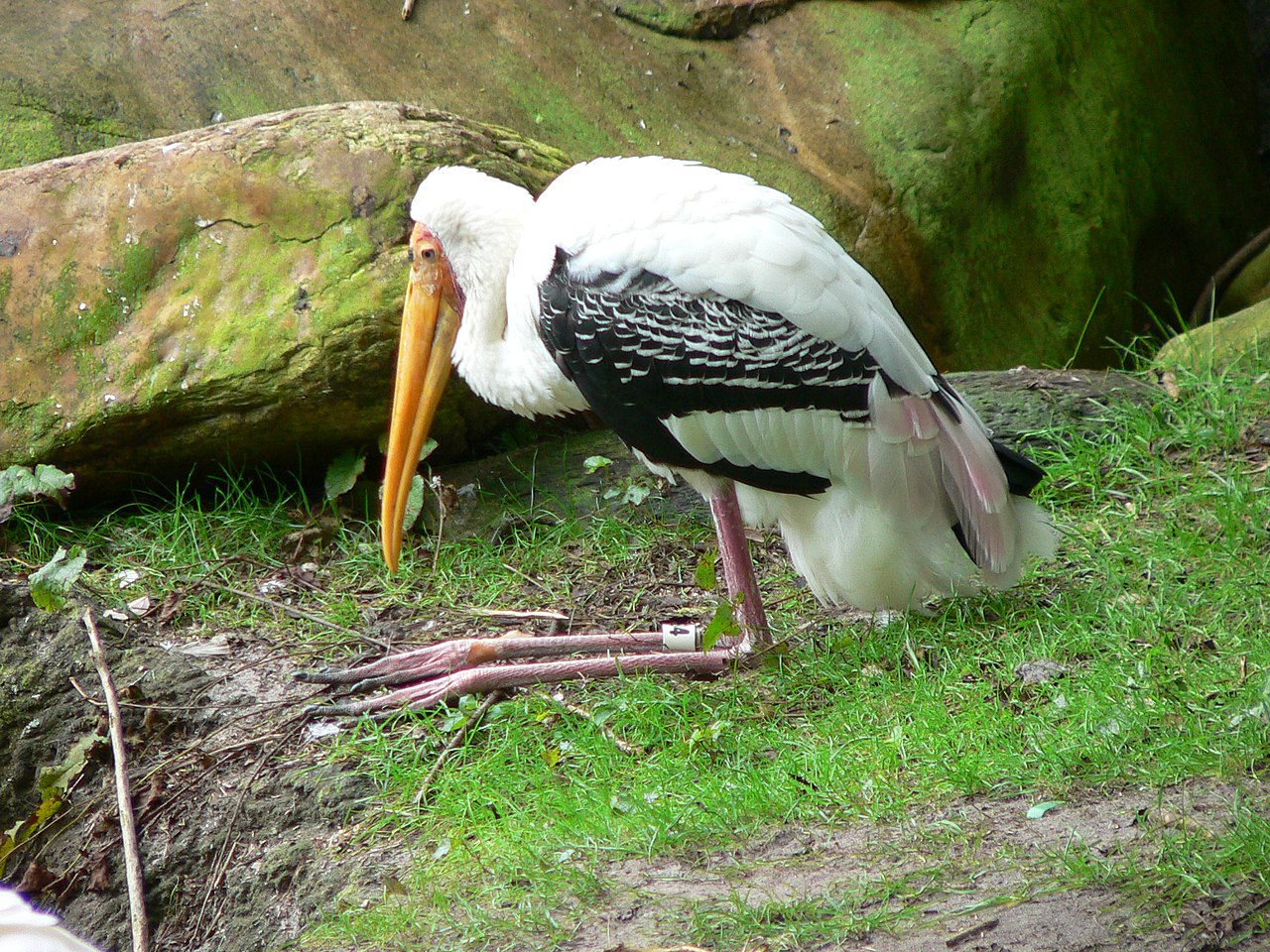
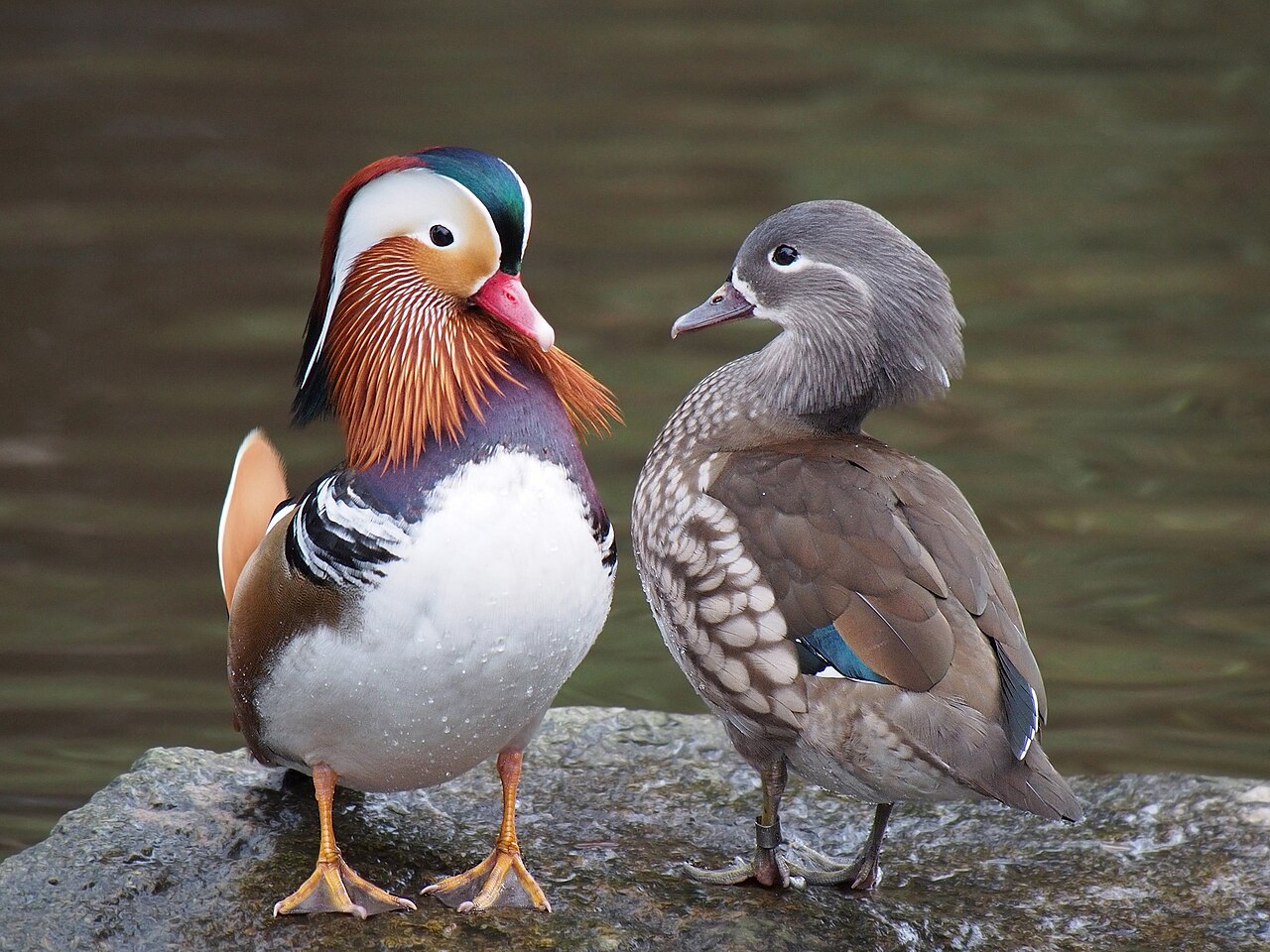
Birds, class Aves, are warm-blooded, feathered vertebrates that occupy almost every terrestrial and many aquatic habitats on Earth. They are distinguished by a suite of anatomical and physiological traits — feathers, a beak without true teeth, hard-shelled eggs, and a lightweight but strong skeleton — that together support aerial locomotion in many groups and a wide range of ecological roles. Modern estimates put living bird species at roughly ten thousand, with more than half belonging to the passerines or perching birds. Birds vary dramatically in size, from tiny hummingbirds measuring a few centimetres to the ostrich standing nearly three metres tall, and they display an extraordinary variety of shapes, plumages and life histories.
Image gallery
10 Images




Physical characteristics and adaptations
Feathers are the single most distinctive feature of birds. They provide insulation, enable flight in many species, and serve in display and camouflage. The avian skeleton is adapted to reduce weight while retaining strength: many bones are hollow or contain air sacs connected to the lungs. The wing is a modified forelimb whose form ranges from broad, soaring shapes in raptors and albatrosses to compact, paddle-like forms in penguins. The digestive, circulatory and respiratory systems are also specialized — a high metabolic rate, a four-chambered heart, and a highly efficient air-sac respiratory system together support active lifestyles and, where present, powered flight.
- Feathers: varied in form and function, from insulation to flight and display.
- Beaks: keratinous bills shaped for diet and behavior; modern birds lack true teeth.
- Skeleton and musculature: strong yet light bones, a keeled sternum in many species for flight muscle attachment.
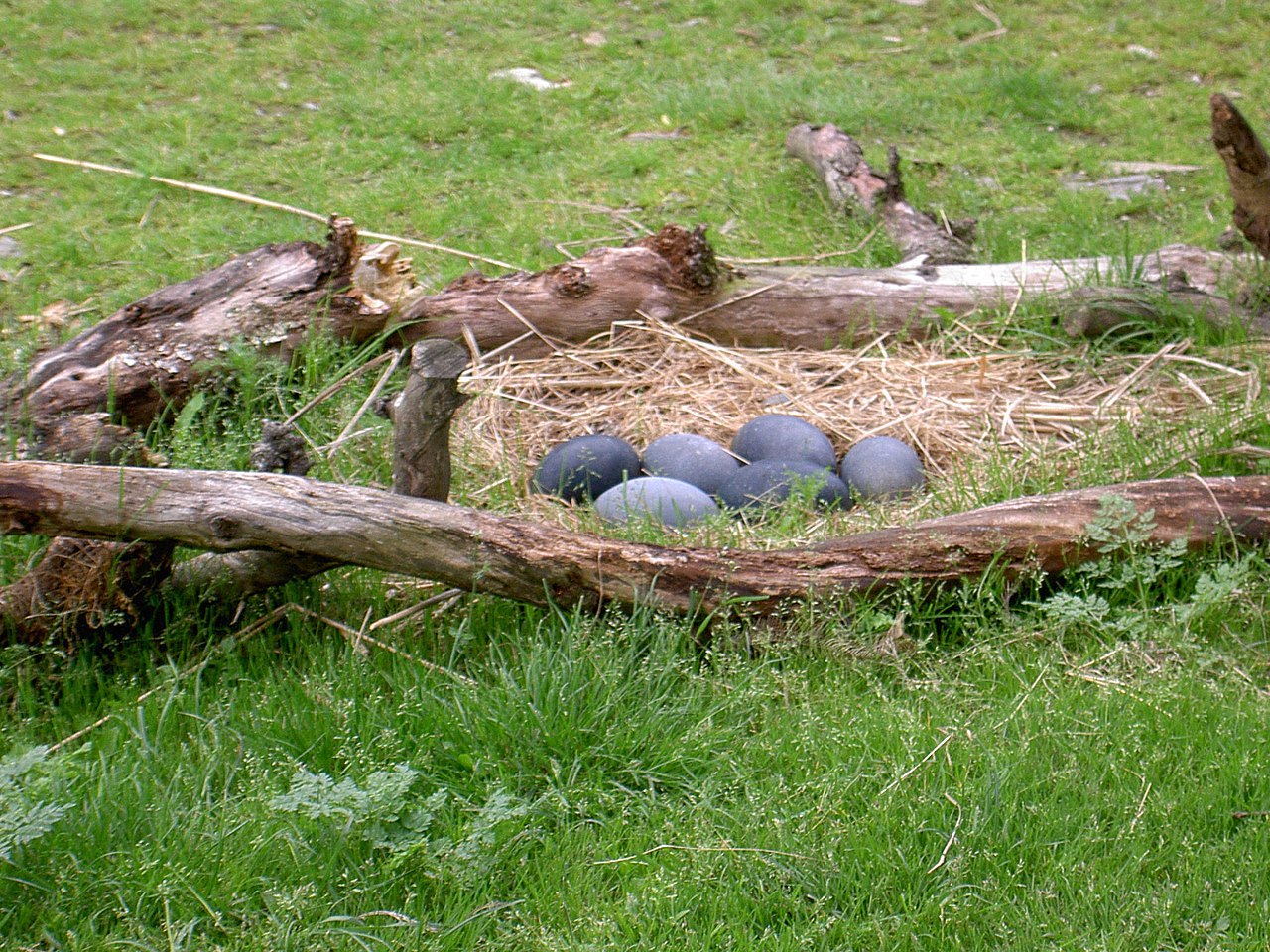
- Reproduction: internal fertilization and oviparity with hard-shelled eggs in most species.
Evolution and fossil history
Birds are members of the larger group of archosaurs, which also includes crocodilians; they evolved from theropod dinosaurs during the Mesozoic Era. Fossil discoveries show a succession of birdlike and transitional forms — often placed in groups such as Avialae — that retain combinations of primitive and derived characters. Some early forms, including species long considered transitional, had teeth and long bony tails, while later lineages show the development of more modern beaks and flight-capable wings. Molecular and fossil evidence indicate that the lineage leading to living birds diversified before and around the end of the Cretaceous, and a mass extinction event about 66 million years ago eliminated non-avian dinosaurs while early birds persisted and radiated into the many forms seen today.
Behavior, learning and life cycle
Bird behavior ranges from solitary habits to complex social systems. Many species form seasonal or long-term pair bonds and care for young in nests, incubating eggs and provisioning chicks until they are independent. Bird developmental strategies fall on a spectrum from precocial chicks, which are mobile soon after hatching, to altricial chicks, which hatch helpless and dependent. Migration is a prominent trait in dozens of families; some species travel thousands of kilometres between breeding and wintering grounds, guided by innate tendencies, environmental cues and learned routes.
Cognitive abilities in birds are notable: certain corvids and parrots show problem-solving skills, episodic-like memory and, in some cases, tool use. Social learning and cultural transmission occur in species where adults instruct or where young learn songs, foraging techniques and migratory routes from experienced individuals. Vocal communication includes calls and complex songs used in mate attraction, territorial defense, and social coordination.
Relationship with humans: uses and conservation
Humans have relied on birds for food, materials and companionship for millennia. Domesticated species such as chickens, ducks and geese provide meat and eggs and are central to agriculture worldwide. Feathers have been used for bedding, insulation and ornament, while seabird guano has historically been important as a fertilizer. Birds also enrich culture and recreation, appearing in art, religion and folklore; birdwatching is a major worldwide hobby and supports ecotourism and conservation awareness.
- Poultry and eggs are globally significant for nutrition and economies.
- Wild birds are hunted for subsistence and sport in many regions.
- Captive species, including parrots and songbirds, are popular as pets but require specialized care.
- Conservation: habitat loss, invasive species, pollution and climate change threaten many species; targeted conservation actions have saved some from extinction while others remain at risk.
Notable distinctions and facts
Some facts and distinctions help clarify bird diversity and biology. Passerines represent the largest order and include many familiar songbirds. Flightlessness has evolved repeatedly; large ratites such as ostriches and emus, extinct groups like moas and elephant birds, and specialized swimmers like penguins have reduced or lost the ability to fly. Birds are the only living animals with feathers, and their complex air-sac system makes their breathing distinct among vertebrates. While many behaviors have inherited components, birds are also capable learners: fledglings strengthen muscles before their first flight and species that migrate combine innate timing with route learning. Global estimates place roughly ten thousand living bird species, and human activities since the 17th century have caused dozens of extinctions and placed many hundreds more at risk, prompting international conservation efforts.
Selected links and resources
- Backbones and vertebrate classification
- Dinosaurs and bird origins
- Endothermy and thermoregulation
- Feathers: structure and function
- Beak evolution and tooth loss
- Beak diversity
- Avian jaw anatomy
- Egg laying and oviparity
- Egg shell structure
- Metabolic rate in birds
- Four-chambered heart in birds
- Lightweight avian skeleton
- Smallest birds: hummingbirds
- Largest birds: ostrich and ratites
- Passerines and perching birds
- Crocodilians and archosaur relatives
- Archaeopteryx and early fossil birds
- DNA studies in avian evolution
- Cretaceous period context
- Avialae and stem-bird groups
- Jurassic birdlike fossils
- Anchiornis and feathered dinosaurs
- Moas: extinct flightless birds
- Elephant birds and extinction
- Avian respiratory and digestive adaptations
- Inheritance and instinct in bird behavior
- Culture and social learning in birds
- Flocking, mobbing and cooperative behaviors
- Monogamy and mating systems
- Sexual reproduction and fertilization
- Poultry and domesticated birds
- Game birds and wild harvest
- Pet birds and aviculture
- Guano as fertilizer
- Bird manure and nutrient cycles
Questions and answers
Q: What is the scientific name for birds?
A: The scientific name for birds is Aves.
Q: How do birds regulate their body temperature?
A: Birds are endothermic, meaning they generate their own heat. Their feathers help to slow down the loss of this heat from their bodies.
Q: What physical features do modern birds have?
A: Modern birds have beaked jaws, hard-shelled eggs, a high metabolic rate, a four-chambered heart and a strong yet lightweight skeleton.
Q: How many living species of birds are there?
A: There are about ten thousand living species of birds. More than half of these are passerines, sometimes known as perching birds.
Q: Are modern birds descended from Archaeopteryx?
A: No, according to DNA evidence modern birds (Neornithes) evolved in the long Upper Cretaceous period and not from Archaeopteryx.
Q: When did primitive bird-like dinosaurs first appear on Earth?
A: Primitive bird-like dinosaurs first appeared on Earth around 170 million years ago during the mid-Jurassic period.
Q: How did some bird species develop wings?
A: Wings evolved from forelimbs and gave some bird species the ability to fly.
Tags
Related articles
Author
AlegsaOnline.com Bird (Aves): characteristics, evolution, behavior, and human relationships Leandro Alegsa
URL: https://en.alegsaonline.com/art/11710
Sources
- taxonomicon.taxonomy.nl : "Systema Naturae 2000 / Classification, Class Aves"
- ui.adsabs.harvard.edu : 2015SciA....1E1005C
- doi.org : 10.1126/sciadv.1501005
- sciencedaily.com : sciencedaily.com/releases/2015/12/151211145038.htm
- youtube.com : youtube.com/watch?v=1v5w0UK2SvE.html
- doi.org : 10.1111/j.1096-3642.2006.00293.x
- allaboutbirds.org : allaboutbirds.org/2018-global-report-40-of-worlds-birds-are-in-decline/