
Domestication: Origins, Processes, and Human Uses
Domestication is the long-term genetic and behavioral change of wild species through human management, producing crops, livestock, pets, and ornamental plants adapted to people.
Overview
Domestication is a sustained process in which humans manage the reproduction and environment of wild plants or animals, causing inheritable changes that make those organisms better suited to human needs. The word derives from a Latin root often rendered as "to make suitable for the home"; see the traditional term domesticare for linguistic context. Domesticated species typically become dependent on people for food, shelter, protection or propagation and differ genetically and behaviorally from their wild ancestors.
Image gallery
10 Images
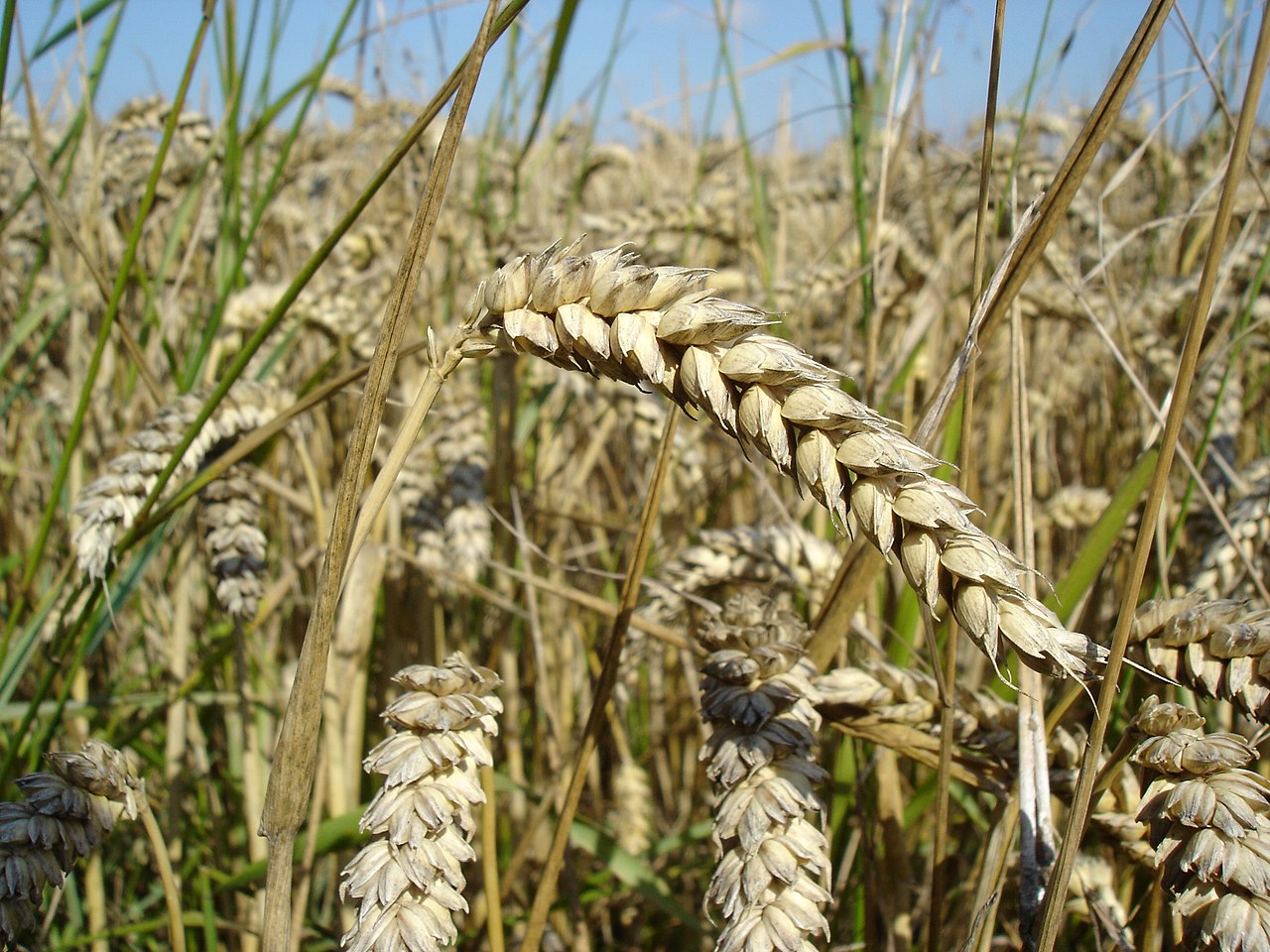


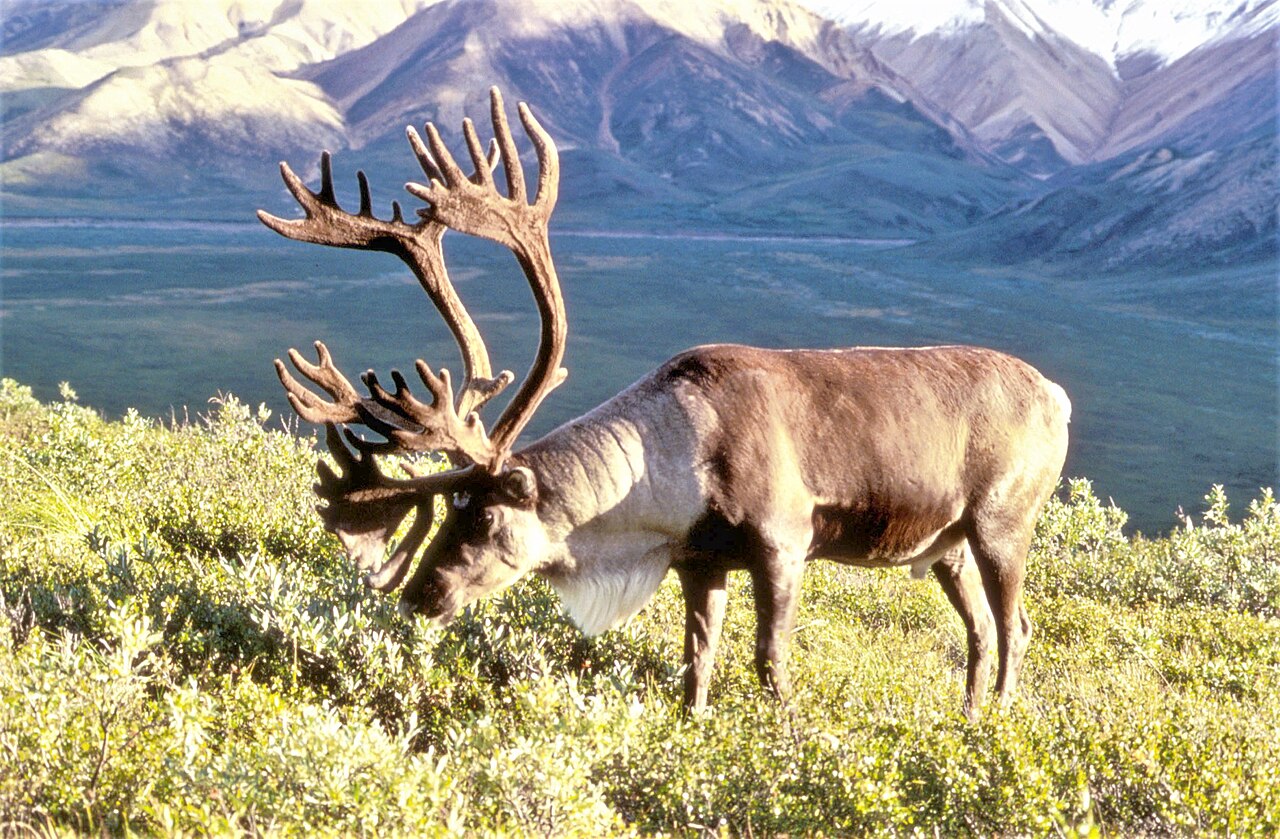


How domestication works
At its core domestication is a form of selective breeding often described by biologists as artificial selection. Humans decide which individuals reproduce, favoring traits such as docility, productivity, or particular physical features. The simple act of keeping and intentionally breeding animals or plants — for example, choosing specific specimens to breed — shifts allele frequencies over generations. Alongside active selection, inadvertent selection and environmental change under human care also shape domesticated lineages.
Typical traits and examples
Although traits vary by species and purpose, commonly selected features include reduced fear of humans, changes in reproductive timing, increased yield, and altered size, color or taste. For animals, humans favored tameness and traits useful for work, food or companionship. For plants, traits such as larger seeds, non-shattering seed heads and synchronous ripening were advantageous.
- Early animal example: the dog — often cited as the first domesticate — shows long-term behavioral co-adaptation with people (dog).
- Early agricultural animals include species tied to the Neolithic transition, such as sheep and goats, and later cattle and pigs.
- Plants became crops or ornamental varieties depending on human priorities (crops, ornamental plants).
History and development
Domestication began in multiple places and times when groups of hunter–gatherers adopted cultivation and animal management. The shift conventionally associated with the Neolithic revolution (Neolithic revolution) led to widespread plant and herd domestication, transforming food supplies and enabling denser human settlements. Over millennia, continued selection, migration and exchange of domesticated species reshaped ecosystems and human societies.
Uses, significance and social impact
Domesticated species serve varied purposes. Animals managed as livestock supply meat, milk, fiber and draft power; many species are kept as pets for companionship; cultivated plants provide staples, spices and decorative value. Domestication underpins agriculture, economies and cultural practices worldwide and remains central to food security and biodiversity management.
Distinctions and notable facts
Domestication is distinct from taming: taming describes behavioral modification of individuals, while domestication denotes population-level genetic change. Not all human–animal relationships lead to full domestication; some species were managed without substantial genetic change. Modern breeding techniques and genomics let scientists trace domestication pathways and improve crops and breeds while raising ethical and conservation questions. For further reading on terms and examples, see additional resources linked here: language, breeding, selection, dogs, Neolithic, sheep & goats, cattle, pigs, crops, ornamentals, livestock, pets.
Questions and answers
Q: What does the Latin term for domestication mean?
A: The Latin term for domestication literally means "to make it suitable for home".
Q: How does domestication happen?
A: Domestication happens when humans take wild animals and plants, keep and breed them, and choose which animals will breed the next generation. This method is called artificial selection.
Q: What was the first domesticated plant?
A: The first domesticated plant happened during the first use of agriculture.
Q: When did people first domesticate dogs?
A: People first domesticated dogs in the Neolithic revolution.
Q: What other animals were later domesticated?
A: Later on, people also domesticated sheep, goats, cattle and pigs.
Q: What are some uses of domesticated plants?
A: Domesticated plants can be used as crops or ornamental plants.
Q: How are most domesticated animals used by humans?
A: Most domesticated animals are kept as livestock to provide food, clothing and work; or they may be kept as pets.
Related articles
Author
AlegsaOnline.com Domestication: Origins, Processes, and Human Uses Leandro Alegsa
URL: https://en.alegsaonline.com/art/28286
Sources
- commons.wikimedia.org : Domesticated animals
- dienekes.blogspot.com : Dienekes' Anthropology Blog : Dog domestication in the Aurignacian (c. 32kyBP
- msnbc.msn.com : MSNBC : World's first dog lived 31,700 years ago, ate big
- ui.adsabs.harvard.edu : 2002Sci...298.1610S
- doi.org : 10.1126/science.1073906
- pubmed.ncbi.nlm.nih.gov : 12446907
- news.nationalgeographic.com : "Oldest known pet cat? 9500-Year-Old burial found on Cyprus"
- scientificamerican.com : "The evolution of house cats"