
Syrian hamster (Mesocricetus auratus) — overview, care, and history
Small rodent native to Syria, commonly called the golden hamster. Explains appearance, natural history, domestication, pet care, varieties and use in research.
Overview
The Syrian hamster (Mesocricetus auratus), often called the golden hamster, is a small crepuscular to nocturnal rodent kept widely as a companion animal and used in scientific study. The species name and common names are discussed in specialist sources and species accounts; for an introductory page see Syrian hamster. Wild populations were first recorded in the region historically known as Syria, and the animal’s origin is reflected in its common name (Syria).
Image gallery
10 Images
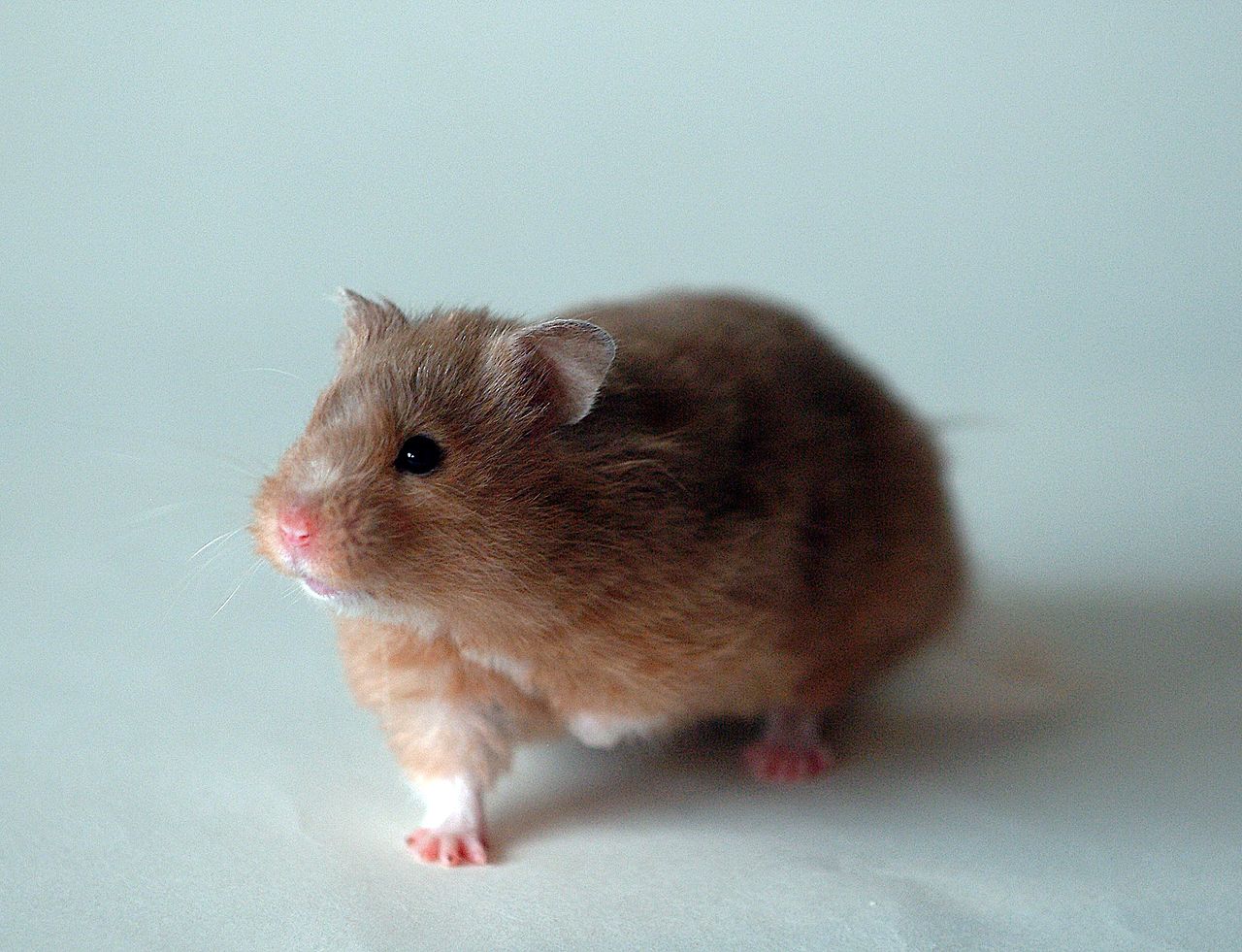


Appearance and characteristics
Synthetically bred pet hamsters show many coat colours and patterns, derived from the original golden-brown wild type. The species has a compact body, expandable cheek pouches for carrying food, continuously growing teeth, and a thick fur coat. Adults are noticeably solitary and territorial compared with some other pet rodents. Typical captive lifespans are a few years with good care.
Habitat, behaviour and wild history
In the wild these hamsters inhabit arid and semi-arid areas where they dig extensive burrow systems for nesting and food storage. They are crepuscular or nocturnal and forage for seeds, vegetation and small invertebrates. Wild populations are relatively localized and have been less extensively studied than many other small mammals.
Domestication, varieties and distribution
The first animals to establish captive breeding lines were collected in the 20th century; from that small founder stock come the numerous color and coat variants now seen in the pet trade. Selective breeding has produced many morphs and coat types, and Syrians are commonly kept as pets across North America and Europe, including the United States, Canada and many countries in Europe.
Care essentials and uses
As popular pets, Syrian hamsters require secure housing with bedding for burrowing, opportunities for exercise, a diet of mixed seeds, pellets and occasional fresh food, and safe items to gnaw. Important care points include solitary housing for adults, regular but gentle handling to build trust, and environmental enrichment such as wheels and tunnels. In addition to companionship, Syrian hamsters have been used in biomedical and behavioural research because of their ease of breeding and observable life cycles.
- Basic care: safe cage, bedding, chew toys, fresh water.
- Social needs: solitary housing for adult Syrians; young may be reared together.
- Notable traits: cheek pouches, burrowing behaviour, nocturnal habits.
Questions and answers
Q: What is a Syrian hamster?
A: The Syrian hamster is a breed of hamster that first lived in Syria.
Q: Why are Syrian hamsters known as golden hamsters?
A: Syrian hamsters are known as golden hamsters because the first ones kept as pets were gold coloured.
Q: How many different colours of Syrian hamsters are there?
A: Now there are over 100 different colours of Syrian hamsters because of selective breeding.
Q: Is much known about the life of Syrian hamsters in the wild?
A: Little is known about the life of Syrian hamsters in the wild.
Q: In which countries are Syrian hamsters kept as pets?
A: Syrian hamsters are kept as pets in many countries including the United States, Canada, most countries in Europe and many more.
Q: What is the scientific name of the Syrian hamster?
A: The scientific name of the Syrian hamster is Mesocricetus auratus.
Q: What are some common breeds of hamsters?
A: Some common breeds of hamsters include Syrian hamsters, dwarf hamsters, and Chinese hamsters.
Related articles
Author
AlegsaOnline.com Syrian hamster (Mesocricetus auratus) — overview, care, and history Leandro Alegsa
URL: https://en.alegsaonline.com/art/95710