
Rodents (Order Rodentia): Characteristics, Diversity, and Human Interactions
Rodents are the largest order of mammals, defined by continuously growing incisors. This article outlines their anatomy, diversity, evolution, roles in ecosystems, relationships with people, and key distinctions.
Overview
Rodents (order Rodentia) are a highly diverse group of mammals notable for their specialized gnawing teeth and adaptable lifestyles. They occupy nearly every terrestrial habitat worldwide and include familiar animals such as mice, rats, squirrels, and beavers as well as many lesser‑known species. Rodents account for roughly forty percent of all mammal species, and their success is tied to efficient dentition, rapid reproduction, and flexible diets.
Image gallery
10 Images


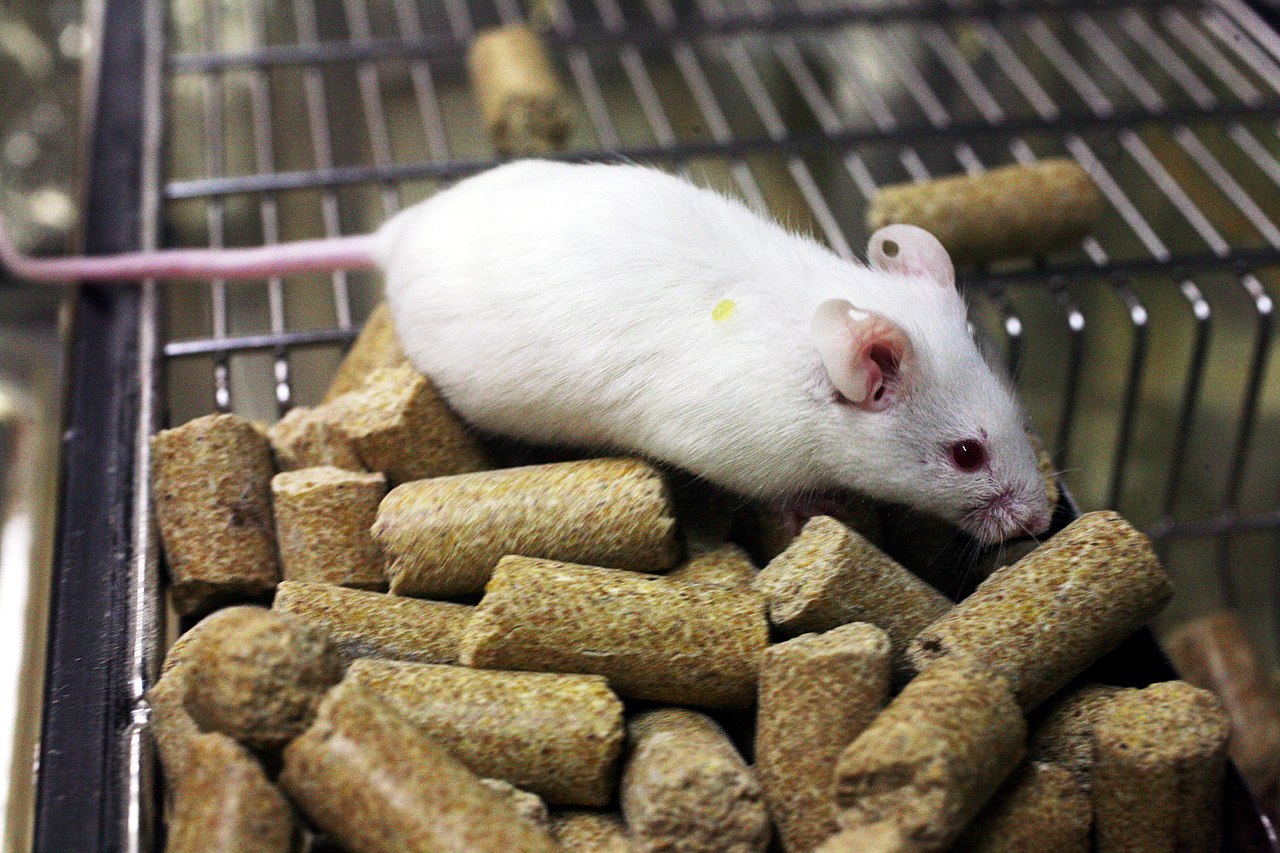


Key characteristics
The most distinctive anatomical trait of rodents is their incisors: a single pair in the upper jaw and a single pair in the lower jaw that grow continuously through life. These enamel‑covered teeth remain sharp because animals wear them down by gnawing on hard materials. Rodents typically lack the canine teeth found in many other mammals, creating a gap (diastema) between incisors and cheek teeth. Other common features include a compact skull, strong jaw muscles, and molars adapted for grinding plant material or other foods.
Diversity and examples
Species range in size from tiny cricetid mice to the capybara, the largest living rodent. Small species such as house mice, voles, gerbils, and hamsters often occupy burrows or nests and breed quickly; others like squirrels and chipmunks are arboreal. Larger rodents include beavers, which shape aquatic landscapes by building dams, and porcupines, which use modified hairs as defense. Many rodents are kept as pets or used in scientific research, while others are important agricultural pests.
Evolution, classification and history
Rodents originated early in the Cenozoic era, diversifying rapidly after the extinction of the non‑avian dinosaurs. The order Rodentia is divided into multiple families and suborders based on skull, tooth, and molecular differences. Close but distinct mammal orders include the Lagomorpha (rabbits, hares, and pikas), which differ because they possess an additional pair of upper incisors, and several small insectivorous orders such as shrews, which are unrelated to rodents despite superficial resemblances.
Ecological roles and human interactions
Rodents fulfill many ecological functions: seed dispersal, soil aeration through burrowing, and serving as prey for predators. Beavers act as ecosystem engineers, while some rodents help spread fungal spores or maintain grassland health. Humans interact with rodents in varied ways — as companions (guinea pigs, hamsters), as laboratory animals in biomedical research, as sources of fur or meat in some cultures, and as pests that transmit disease or damage crops and structures.
Notable distinctions and facts
Although several small mammals are commonly mistaken for rodents, careful attention to dental and skeletal features separates true rodents from look‑alikes. Lagomorphs have two pairs of upper incisors; insectivores (such as shrews) have different tooth shape and jaw mechanics. The capybara is the largest rodent, while many species remain tiny and secretive. Because of their diversity and close ties to humans and ecosystems, rodents are among the most ecologically and economically significant mammal groups.
Further reading and links
- Rodentia overview
- Global distribution of rodents
- Classification of Rodentia
- Rodent dentition explained
- Mice: natural history
- Rats: biology and behavior
- Chipmunk facts
- Squirrel species guide
- Rodents as pets
- Guinea pig care
- Hamster varieties
- Gerbil natural history
- Porcupine biology
- Beaver ecology
- Capybara profile
- Capybara size and measurements
- Capybara in culture
- Rodent weight ranges
- Large rodent species
- Rodents and human economies
- Rodent species diversity
- Vole behavior and ecology
- Prairie dog colonies
- Groundhog natural history
- Chinchilla facts
- Lagomorpha vs Rodentia
- Hare biology
- Pika ecology
- History of mammal classification
- Lagomorpha taxonomy
- Shrew differences and identification
Questions and answers
Q: What is the order of rodents?
A: Rodents are in the order Rodentia.
Q: What does the name "rodent" come from?
A: The name "rodent" comes from the Latin word rodere, which means "to gnaw", and dent, which means "tooth".
Q: How many incisors do rodents have?
A: Rodents have no more than 2 incisors.
Q: Are rabbits considered rodents?
A: Rabbits, hares, and pikas are sometimes called rodents because they also have teeth that keep growing, but in 1912 biologists decided to put them in a separate order called Lagomorpha because they have two extra incisors in their upper jaw.
Q: What is the largest living rodent?
A: The largest living rodent is the capybara, which can grow to between 105 and 135 cm (40-55 in) in length, and weigh 35 to 65 kg (75-140 lbs).
Q: Are shrews considered rodents?
A: Shrews are sometimes called rodents because they look like mice, but that is not correct. They are actually in the order Insectivora.
Q: How many mammal species are there altogether?
A: Almost half of all mammal species are rodents.
Related articles
Author
AlegsaOnline.com Rodents (Order Rodentia): Characteristics, Diversity, and Human Interactions Leandro Alegsa
URL: https://en.alegsaonline.com/art/83638