
Horse: biology, history, uses and care
An overview of the horse (Equus caballus), covering anatomy, behavior, domestication, uses, basic care and distinctions such as breeds, ponies and hybrids.
Overview
The horse is a large grazing mammal long associated with humans. Members of the family Equidae belong to the genus Equus; the common domestic form is usually called Equus caballus. As a general term, horse denotes animals raised and bred for riding, work and sport, although wild and feral populations also exist. Horses are herbivores whose diet is dominated by grasses and preserved forages such as hay.
Image gallery
10 Images






Anatomy and behavior
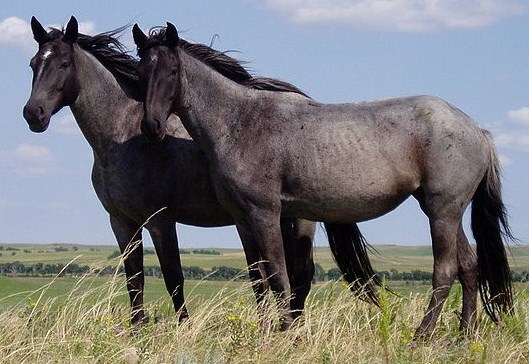
Horses are characterized by a single-toed foot protected by a hard hoof, a long head with teeth adapted for grinding plant material, and a powerful, muscular body built for sustained locomotion. Their digestive system is adapted to a high-fiber diet and relies on hindgut fermentation. Social animals by nature, horses form bands or herds with clear hierarchies and communicate through vocalizations, body language and scent.
Life stages, terminology and reproductive facts
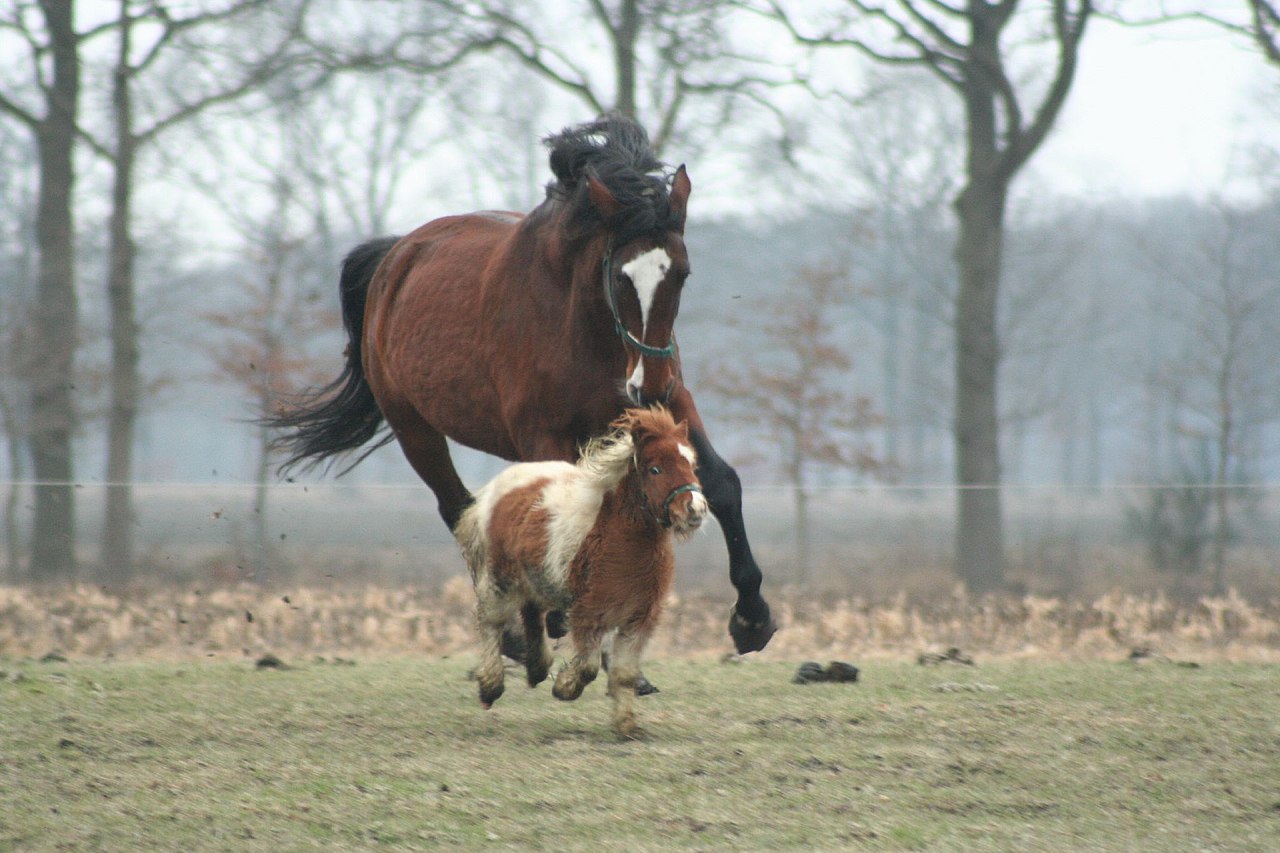
Common terms describe sex and age: an adult male is a stallion (or a gelding if castrated), and an adult female is a mare. A newborn is a foal; young females are called fillies and young males colts. Gestation lasts nearly a year, and foals are capable of standing and following the mare within hours of birth—an adaptation to predator-rich environments.
History and domestication
Horses were domesticated several millennia ago on the Eurasian steppes and quickly transformed transport, agriculture, warfare and trade. Selective breeding produced distinct breeds for speed, strength, endurance and temperament. Some wild relatives and feral populations remain, and conservation efforts protect distinct species such as Przewalski's horse.
Uses, roles and cultural importance
Horses have served in many roles: riding and competitive sports (racing, show jumping and dressage), draft and farm work, police and border patrol, therapeutic riding, and cultural or ceremonial uses. Their athletic ability allows them to reach high sprinting speeds and to carry out sustained work in a variety of climates and terrains.
Care, health and notable risks
Basic care includes regular feeding of forage, access to clean water, dental checks, vaccinations and protection of hooves often by trimming or fitting horseshoes. Farriers and veterinarians play key roles. Owners must be aware that some plants are toxic to horses—examples commonly cited include ragwort and certain tree nuts—and that sudden changes in diet can cause digestive upset. Proper turnout, shelter and routine exercise support physical and mental wellbeing.
Distinctions and related animals
Not all equines are the same: zebras and donkeys are close relatives within Equus. Smaller equines under a certain height are commonly called ponies rather than horses. Crosses such as mules (a horse-donkey hybrid) combine traits of both parents and are generally sterile. Practical differences—size, conformation, temperament and breeding purpose—help distinguish breeds and types used for sport, work or companionship.
- Common care reminders: regular hoof maintenance (hooves), appropriate fodder (grass and hay), and veterinary checks.
- Key vocabulary: stallion, mare, foal, gelding, filly, colt.
- Resources for riders and owners often cover tack, training and local regulations; seek experienced instructors and professionals for guidance (herbivore diet basics).
For further reading, introductory materials and breed registries provide in-depth guidance on selection, training and responsible ownership. Practical demonstration and hands-on supervision remain the best ways to learn safe horse care and handling.
Questions and answers
Q: What kind of animals are horses?
A: Horses are a diverse group of animals of the family Equidae.
Q: What kind of diet do horses have?
A: Horses are herbivores, which means they eat grass and other plants.
Q: What are some plants that are dangerous for horses?
A: Some plants that are dangerous for horses include ragwort, lemongrass (oil grass), and sometimes acorns.
Q: When were horses domesticated by humans?
A: Horses were domesticated from wild horses by humans at least 5000 years ago.
Q: What are some uses of horses?
A: Some breeds of horses are used to pull heavy loads and racehorses can gallop up to 30 miles an hour.
Q: What are the different terms for male, female, and young horses?
A: A male horse is a stallion, a female horse is a mare, a young female horse is a filly, a young male horse is a colt, and a general term for a young horse is foal.
Q: Why do horses need horseshoes?
A: Horses have hooves which need protection by horseshoes from hard or rough ground.
Related articles
Author
AlegsaOnline.com Horse: biology, history, uses and care Leandro Alegsa
URL: https://en.alegsaonline.com/art/45164
Sources
- biodiversitylibrary.org : Systema naturae per regna tria naturae :secundum classes, ordines, genera, species, cum characteribus, differentiis, synonymis, locis
- departments.bucknell.edu : "Order Perissodactyla"
- google.com : Mammal Species of the World: A Taxonomic and Geographic Reference
- worldcat.org : 62265494
- sciencemag.org : sciencemag.org/content/323/5919/1332.abstract?sid=d021eb55-bcbd-4ebd-9eca-145ce25969b0
- policensw.com : policensw.com
- specialchem4adhesives.com : specialchem4adhesives.com/home/editorial.aspx?id=1945