
Labour (economics)
An explanation of labour as an economic factor: definition, types, measurement, historical ideas, role in production and income distribution, and policy-relevant distinctions.
Overview
In economics, labour refers to human effort — physical and mental — applied to the production of goods and services. Economists treat labour as a basic input alongside other factors of production; it is the activity people perform when they work. Labour contributes directly to output and is rewarded through wages, salaries and benefits.
Image gallery
8 Images


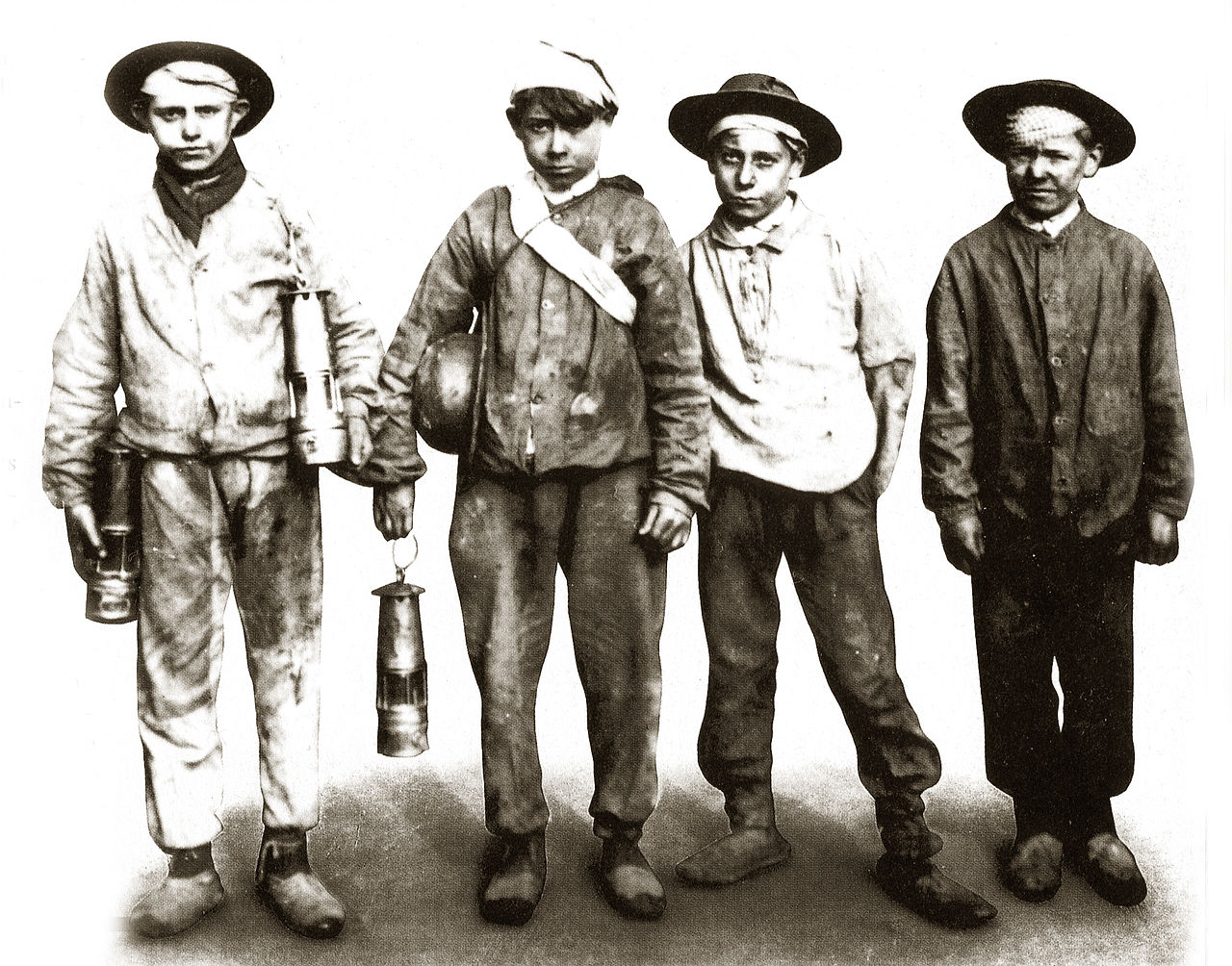
Characteristics and types
Labour is heterogeneous: workers differ by skills, experience and abilities. Analysts frequently distinguish between categories such as skilled and unskilled labour, manual and cognitive labour, full-time and part-time employment. The bundle of attributes that increases a person’s productivity is commonly called human capital.
- Supply side: labour supply depends on population, participation rates and hours worked.
- Demand side: firms demand labour as an input to combine with capital and land.
- Market outcomes: wages, employment levels and job composition are determined by supply, demand and institutions.
Measurement and role
Labour is measured by employment, unemployment, labour force participation, hours worked and productivity per worker. In production functions it is usually an argument alongside capital and natural resources; classical texts describe labour as one of the primary factors of production. Its contribution influences income distribution and economic growth.
History and perspectives
Economic thought has treated labour in several ways: classical economists emphasized labour’s role in value and production; Marx focused on labour power and exploitation; neoclassical theory models labour as a factor priced by marginal productivity. Debates continue over how labour markets adjust and how institutions—such as unions, minimum wages and social insurance—shape outcomes.
Importance and notable distinctions
Labour is central to policy discussions about employment, inequality, skills and technological change. Distinctions to keep in mind include labour as an input versus labour as a source of livelihood, paid versus unpaid work (such as household labour), and the difference between individual skills (human capital) and physical capital. For further reading, consult introductory texts and policy reviews linked here: work-related resources, production factors, land, capital, human capital.
Related articles
Author
AlegsaOnline.com Labour (economics) Leandro Alegsa
URL: https://en.alegsaonline.com/art/55228