
Tarantula: large, hairy spiders of the Theraphosidae family
Overview of tarantulas (family Theraphosidae): appearance, behavior, distribution, ecology, relations with people, and notable facts including defense and silk use.
Overview
Tarantula is the common name for a diverse group of large, often hairy spiders in the family Theraphosidae. The family contains roughly 900 described species that occupy warm regions on most continents. Tarantulas vary widely in size, color and ecology, but they are united by a stocky build, robust legs and the ability to produce silk. Many species are terrestrial and live in burrows, while others are adapted to life in trees.
Image gallery
10 Images



Physical characteristics
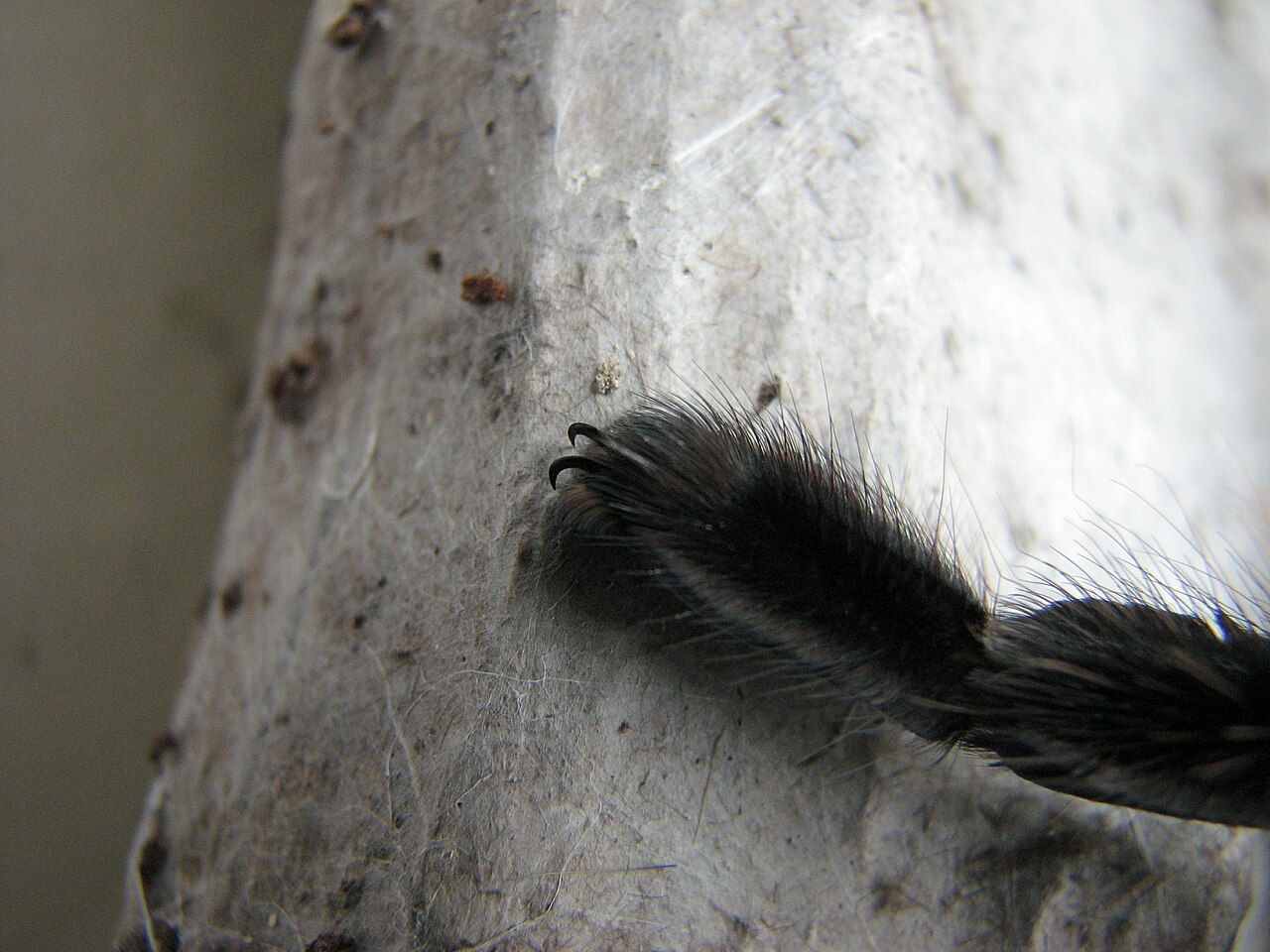
Tarantulas are notable for their dense body hairs, stout bodies and comparatively large fangs. Legspan varies by species: many reach several centimeters across, and the largest species may exceed 20 cm in legspan. Their bodies are covered in setae (hairs) that serve multiple functions, including sensing the environment and, in some New World species, acting as a defensive irritant when flicked toward a threat. Like other spiders, tarantulas have eight legs, two main body segments and simple eyes that detect movement more than detailed images.
Behavior and ecology
Tarantulas are predominantly nocturnal predators that feed on insects and other small animals. Hunting strategies differ by species: some actively forage, others ambush from a burrow or a retreat. All tarantulas spin silk, but not all build the orb-shaped webs associated with many spiders. Silk is used to line burrows, construct retreats in vegetation, make egg sacs and wrap prey. Reproductive behavior typically involves elaborate courtship by the male; females often live many years longer than males.
Defenses and predators
Defense tactics include camouflage, threat displays (rearing on the hind legs to show fangs), biting, and — in many New World species — releasing urticating hairs that can irritate skin and mucous membranes. Tarantula venom is effective on their prey but is generally not dangerous to most humans; bites can be painful and produce localized symptoms. Natural predators include snakes, birds, small mammals and specialized parasitoids such as the so-called tarantula hawk wasp.
Relationship with humans
Tarantulas have an established place in culture, science and the pet trade. Some species are kept as exotic pets because of their impressive size and generally slow movements. In ecosystems they act as mid-level predators that help control insect populations. Public perception varies widely: they inspire fascination in hobbyists and fear in others. Reliable care for captive tarantulas requires knowledge of species-specific needs for humidity, temperature and housing.
Taxonomy, range and notable facts
Tarantulas belong to the family Theraphosidae, a group with a long history of study by arachnologists. They are found across tropical and subtropical regions of the Americas, Africa, Asia and Australia. For a concise reference on classification and species accounts, see a family overview such as Theraphosidae family overview. Notable points include their widespread use of silk for purposes other than web-building, the great lifespan difference between sexes, and the presence of urticating hairs in New World lineages as a distinctive defensive adaptation.
- Habitat: burrows, forest floor litter, tree cavities.
- Diet: insects, other arthropods, occasionally small vertebrates.
- Human impact: popular in the pet trade, important in native food webs.
Overall, tarantulas are an ecologically important and taxonomically rich group of spiders. They combine striking appearance with a range of behaviors that have fascinated naturalists and the public for centuries.
Related articles
Author
AlegsaOnline.com Tarantula: large, hairy spiders of the Theraphosidae family Leandro Alegsa
URL: https://en.alegsaonline.com/art/96361
Sources
- americanarachnology.org : "A new genus and species of theraphosid spider from Belize (Araneae, Theraphosidae)"
- mapress.com : "A new tarantula species from northern Australia (Araneae, Theraphosidae)"