
Petting zoo: interactive animal exhibits for children and families
A petting zoo is a small, supervised animal exhibit where visitors can touch and feed gentle, usually domesticated animals. They serve educational, recreational and commercial roles and raise specific welfare and safety issues.
Overview
A petting zoo is a compact, often fenced area where visitors — most commonly children and families — can approach, touch and sometimes feed tame animals under supervision. Unlike large zoological parks that display wild species for observation, a petting zoo emphasizes direct, hands‑on contact with animals that are comfortable with people. Many communities host them at parks, farms, fairs, shopping events and children’s museums.
Image gallery
3 Images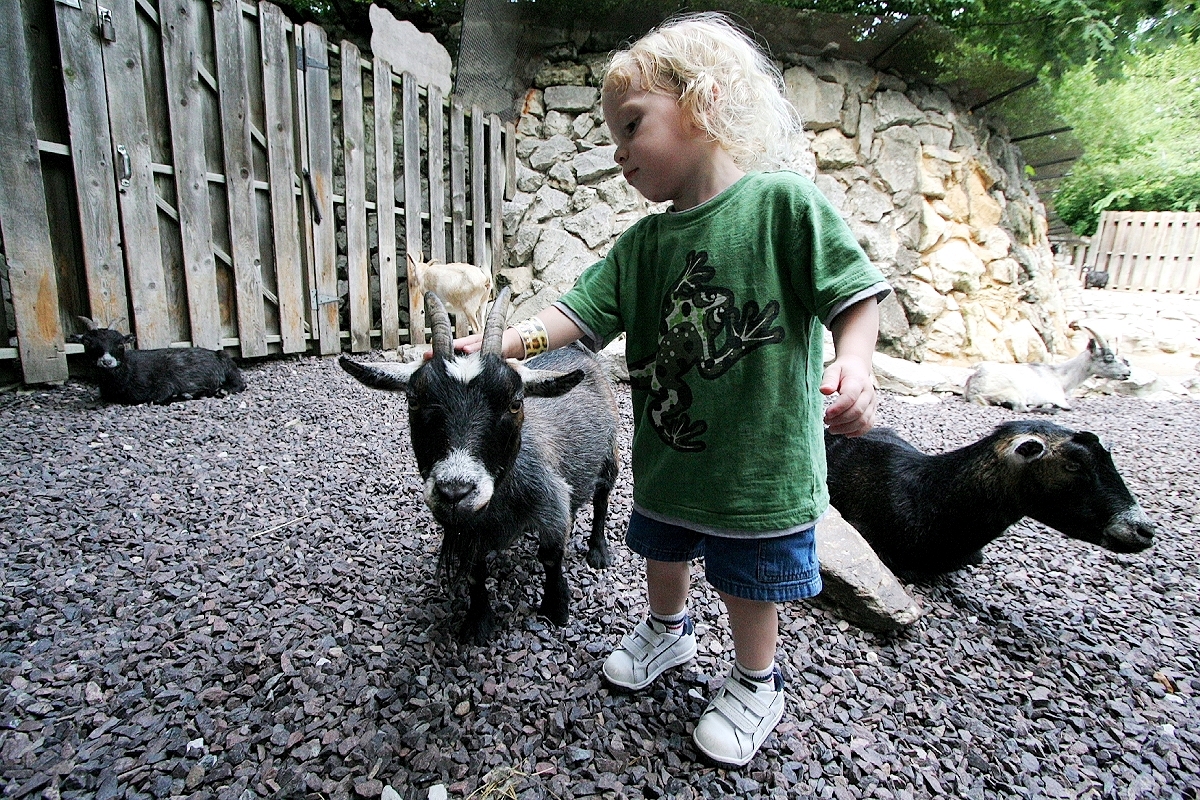


Typical animals and features
Animals in these settings tend to be juvenile or small, domesticated species chosen for calm temperaments. Examples include lambs, piglets, chicks, ducklings, bunnies, goats, ponies for supervised rides, and sometimes friendly cats or puppies. Organizers select species to reduce risk and stress to both visitors and animals; animals are usually handled, socialized and rotated to avoid fatigue.
- Common design elements: low fences, sheltered pens, petting stations and benches.
- Child‑focused backdrops: themed scenes (for example Old MacDonald style settings), small bridges or play features such as footbridges and decorative wells like a wishing well to create an engaging environment.
- Practical services: food pellets sold for supervised feeding, hand‑washing stations and staff supervision to guide interactions.
History and development
Petting zoos evolved from agricultural fairs, travelling menageries and educational farm programs that aimed to connect urban children with domestic animals and farm life. Over time they became a regular attraction at larger zoos and events, providing a safe way for young visitors to learn about animal behavior and care. Modern programs emphasize education, animal welfare and public health compared with earlier informal roadside or ad hoc exhibits.
Education, recreation and commercial roles
These exhibits serve several purposes: they are recreational attractions that delight children, educational tools that teach basic animal biology and empathy, and commercial ventures that can generate admission income or supplement farm income. Many schools and community groups use petting zoos as part of agricultural and life‑science lessons, pairing encounters with talks about diet, lifecycles and responsible pet ownership.
Safety, hygiene and welfare concerns
Because direct contact can transmit bacteria and parasites, good petting zoos enforce hygiene measures: visible signage, hand‑washing or sanitizing stations, staff oversight, and rules against mouth contact or feeding with bare hands. Zoonotic agents such as E. coli and Salmonella can be associated with animal contact, so organizers limit risky practices and exclude species or individuals that are ill or stressed. Responsible operators also manage animal rest periods, veterinary care and stocking densities to protect welfare.
Regulation, best practices and controversies
Local regulations may cover animal health, housing and public safety; enforcement varies by jurisdiction. Critics sometimes point to welfare or disease risks in poorly run attractions, while advocates stress the benefits of supervised, well‑managed experiences. Best practices include trained staff, clear visitor rules, rotating animal duties, regular veterinary checks and transparent communication about fees and safety — for example, charging a small fee to support upkeep or education programs.
Practical information and distinctions
Petting zoos differ from larger zoological collections by scale, species selection and the emphasis on touch. They are distinct from hands‑off exhibits that discourage contact with animals in order to protect wildlife. When planning a visit, check whether the site advertises supervised feeding, age recommendations and hygiene facilities, and look for staff presence. Further information about petting‑farm design and standards can be found through local agricultural extension services and community educational resources; for a general introduction see a description of a small zoo concept and notes on domesticated animal selection.
Related articles
Author
AlegsaOnline.com Petting zoo: interactive animal exhibits for children and families Leandro Alegsa
URL: https://en.alegsaonline.com/art/76245