
Dwarf hamster: overview, species, care, and distinctions
Compact overview of dwarf hamsters (genus Phodopus), covering species, appearance, behaviour, care needs, origins, and how they differ from larger hamsters like the Syrian hamster.
Dwarf hamsters are a group of small rodents most commonly placed in the genus Phodopus. These animals are kept widely as pets and studied in laboratories. They are valued for their small size, lively behaviour and, in many species, greater tolerance of same‑species companions compared with larger pet hamsters. The name "dwarf hamster" is sometimes also used for the Chinese hamster, although that species is not a Phodopus member.
Image gallery
1 Image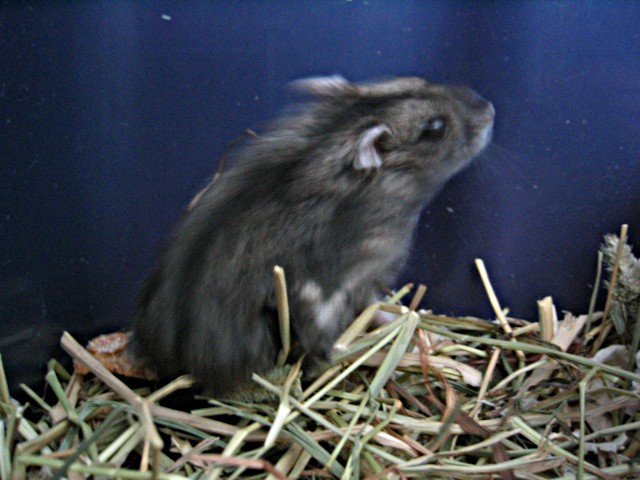
Common species and appearance
Several species are frequently called dwarf hamsters. The best known include:
- Phodopus campbelli (Campbell's dwarf hamster)
- Phodopus sungorus (winter white or Dzungarian dwarf hamster)
- Phodopus roborovskii (Roborovski dwarf hamster)
These animals typically measure only a few inches long and weigh far less than the familiar Syrian hamster. Coat colours vary by species and captive breeding: common patterns include agouti, white, mottled and piebald, and some species change fur density or tone with seasons.
Behaviour and biology
Dwarf hamsters are generally nocturnal or crepuscular, most active at dawn and dusk. Many individuals are quick, agile and exploratory. Some species, notably Roborovski hamsters, are exceptionally fast and skittish. Dwarf hamsters reach sexual maturity quickly and can breed several times a year; for this reason, living companions should be chosen carefully and same‑sex housing is often recommended unless breeding is intended.
Care considerations
Caring for a dwarf hamster requires attention to housing, diet and health. Basic points include:
- Provide a suitably sized cage or enclosure with secure ventilation and a solid floor.
- Offer nesting material, hiding places, and an exercise wheel sized for small hamsters.
- Feed a balanced mix of seeds, pellets and occasional fresh vegetables; avoid high‑sugar treats.
- Monitor weight and activity; some dwarf strains are more prone to metabolic issues such as diabetes.
- Regularly clean the habitat and watch for common ailments (digestive problems, skin issues, dental overgrowth).
History and human relations
Dwarf hamsters were first described scientifically in the early 20th century and later became popular as pets and research animals. Their small size makes them economical to keep, and several species have been selectively bred for temperament and colour. Owners often choose dwarf hamsters when they prefer a smaller, sometimes more social alternative to the larger Syrian hamster, or when space is limited.
Distinctions and notable facts
Key distinctions: dwarf hamsters (genus Phodopus) are not identical to the Chinese hamster, which belongs to a different genus but is sometimes called a dwarf. Roborovski hamsters are the smallest and often the most active; winter white hamsters can show seasonal coat changes. Prospective owners should research species differences in size, temperament and health risks before selecting a pet. For general context on hamsters as a group, see hamster resources.
Related articles
Author
AlegsaOnline.com Dwarf hamster: overview, species, care, and distinctions Leandro Alegsa
URL: https://en.alegsaonline.com/art/29389