
Falcon (Falconidae): overview, biology, and human relationships
Falcons are fast, small-to-medium birds of prey in the family Falconidae. This article covers their appearance, hunting methods, notable species, history with humans, and conservation issues.
Overview
Falcons are birds of prey in the family Falconidae, distributed across most of the world. They occupy a wide range of habitats from tundra and mountains to deserts and cities. Falcons are best known for their speed, aerial hunting skills and keen eyesight. For a concise taxonomic note see related groups and a broader family summary at Falconidae overview.
Image gallery
10 Images





Physical characteristics
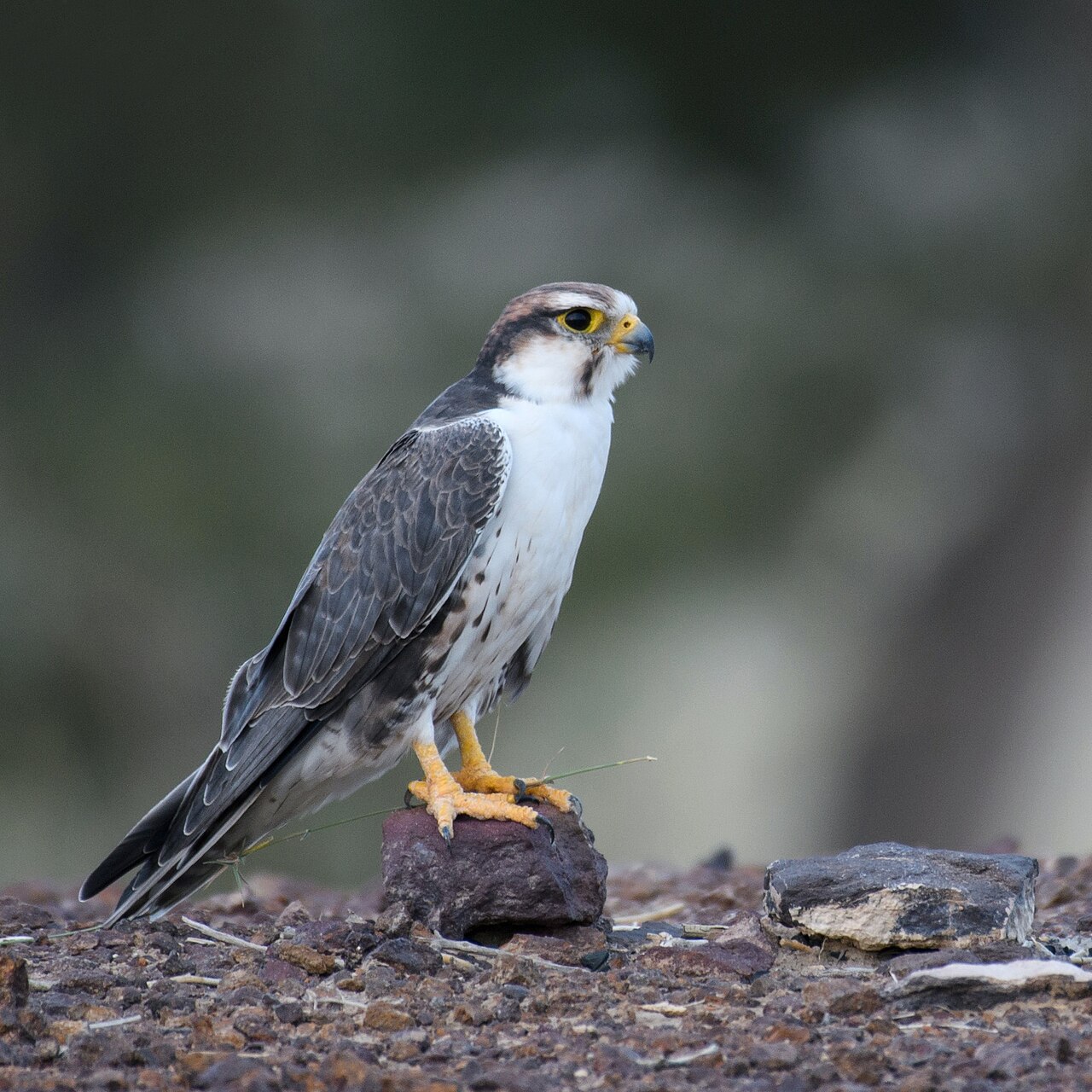
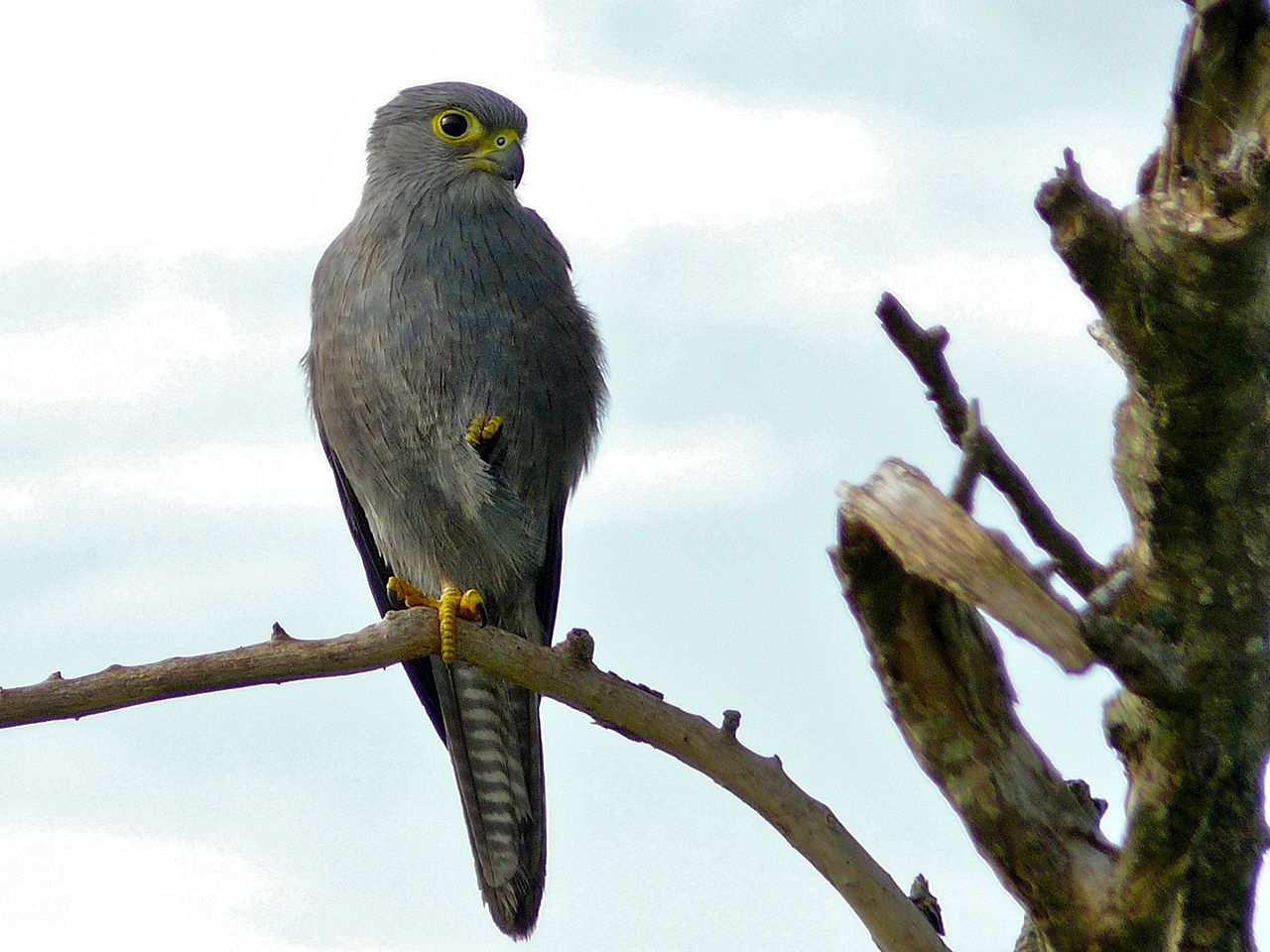
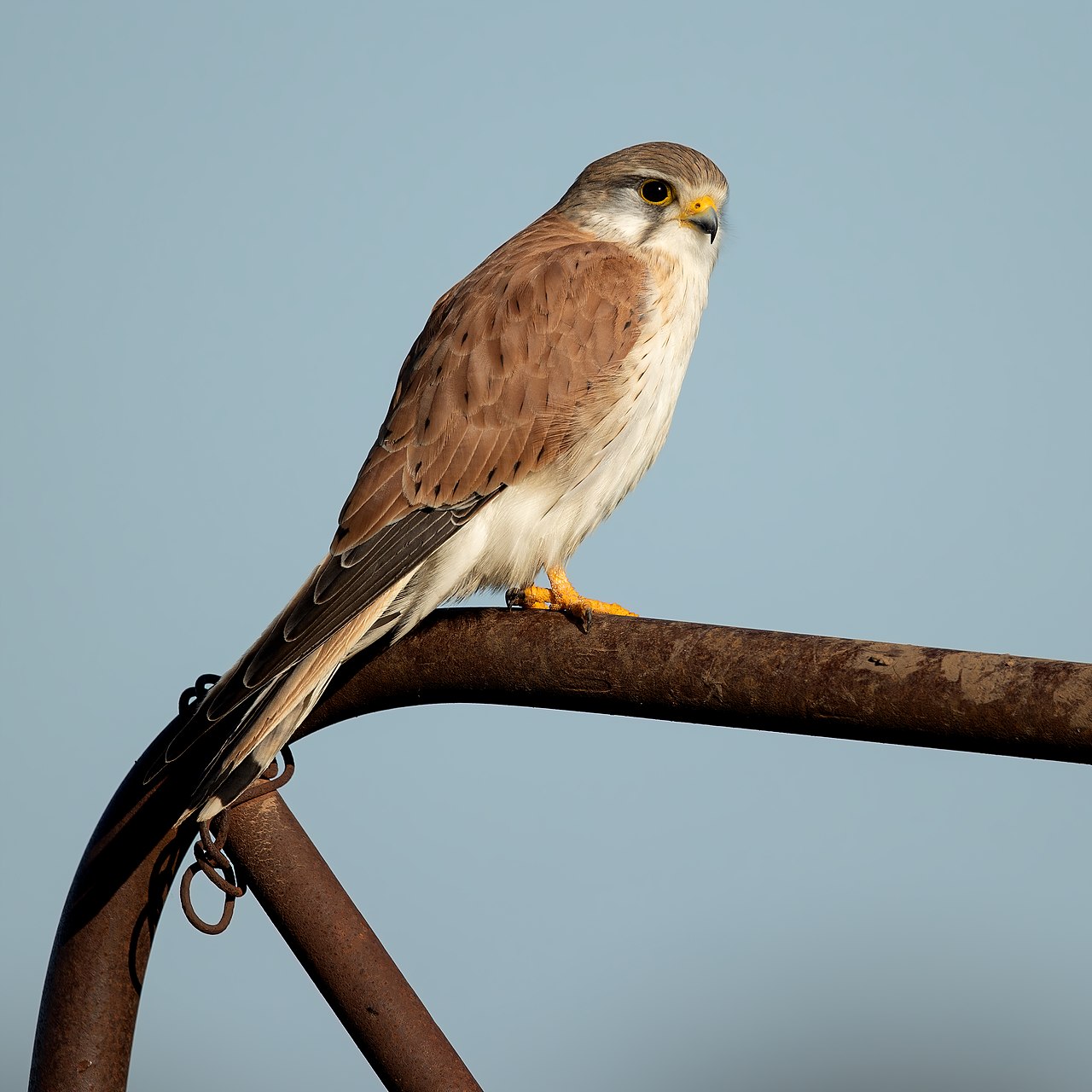
Most falcons are small to medium in size and have a compact body with long, pointed wings and a relatively long tail that aid in maneuverable, high-speed flight. They exhibit a hooked beak with a distinct tomial tooth—an adaptation used to sever the spinal cords of prey. Coloration is typically patterned: darker upperparts and paler, streaked undersides. Sexual dimorphism is common, with females generally larger than males. For comparative notes see similar raptors and plumage variation.
Behavior and diet
Falcons are primarily carnivorous. Diets vary by species and locality: some take mainly small mammals and large insects, while others specialize in catching birds in flight. Hunting strategies include high-altitude stoops (steep dives), rapid horizontal pursuits and surprise strikes from perches. The peregrine falcon is the best-known stooping specialist, with recorded dives exceeding 300 km/h in some observations; more on that species is available at peregrine information and broader records at speed and hunting.
Notable species
- Peregrine falcon — cosmopolitan and famed for aerial hunting (species profile).
- Common kestrel — a hover-hunting falcon found in many open habitats (kestrel facts).
- Gyrfalcon — the largest falcon, adapted to Arctic regions (gyrfalcon notes).
History with humans and falconry
Falcons have a long cultural association with people. Falconry—training birds to hunt cooperatively with humans—has been practiced for millennia across Asia, the Middle East and Europe. Historically it served as both a means of procuring food and a status symbol. Today falconry is regulated in many countries and also contributes to scientific study and conservation; see cultural histories at falconry tradition and regulatory frameworks at modern falconry.
Conservation and notable issues
Many falcon species have faced threats from habitat loss, persecution and chemical contaminants. Mid-20th-century pesticide use, notably organochlorines, caused severe population declines in some species; subsequent bans and recovery programs have enabled partial or full rebounds in several regions. Urban nesting by peregrines and managed breeding programs are examples of successful interventions. For conservation resources see protection efforts.
Distinctions and final notes
Falcons differ from many other diurnal raptors (such as hawks and eagles) in both their family placement and some hunting adaptations: they typically dispatch prey with a beak adaptation rather than relying solely on crushing talons. Their combination of speed, agility and specialized anatomy makes them a distinct and ecologically important group of predators.
Questions and answers
Q: What are falcons?
A: Falcons are small to medium-sized birds of prey related to hawks, eagles, and vultures.
Q: What do falcons usually eat?
A: Most falcons eat small mammals. Some species hunt other birds, which they take in flight.
Q: What do most falcons look like?
A: Like hawks, most falcons have dark gray or brown backs and wings, with white undersides.
Q: What is special about the peregrine falcon?
A: The peregrine falcon is found over most of the world and is famous for hunting birds by diving down on them at 320 km/h (200 mi/h).
Q: What happened to the peregrine falcon in North America?
A: It was nearly wiped out in North America by the use of pesticides, but has since made a recovery.
Q: What is falconry?
A: In some countries falcons are used in falconry. This means people catch the birds and make them hunt for them.
Q: What was falconry used for in the past and what is it used for today?
A: Long ago, falconry was a way for people to get more food, but today it is a sport.
Related articles
Author
AlegsaOnline.com Falcon (Falconidae): overview, biology, and human relationships Leandro Alegsa
URL: https://en.alegsaonline.com/art/33331