
Pharaoh Hound (Tesem) — Maltese sighthound
A Maltese sighthound known as the Pharaoh Hound or Tesem, noted for its tan coat, erect ears and speed. Historically linked to rabbit hunting and often kept as an active companion dog today.
Overview
The Pharaoh Hound, sometimes called Tesem or by the Maltese name Kelb tal-Fenek, is a graceful breed of dog valued for its sight-driven hunting style and elegant appearance. Although its profile is often compared to ancient Egyptian representations and has been associated with imagery such as the jackal-headed god Anubis, the modern breed was developed and standardized much later and is especially linked with Malta.
Image gallery
4 Images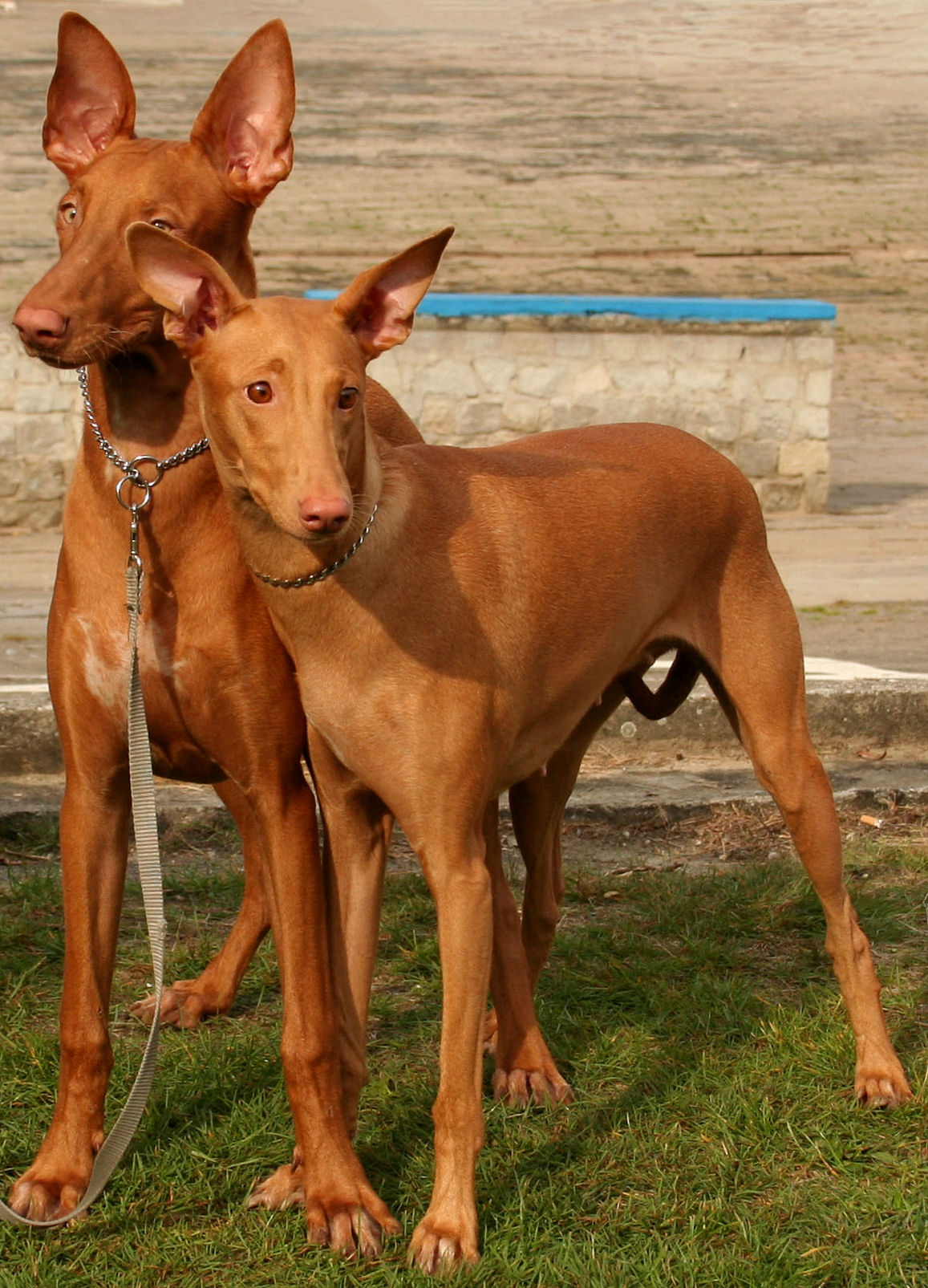


Appearance and characteristics
Pharaoh Hounds are medium-sized sighthounds with a lean, athletic build. Their most distinctive feature is a short, glossy coat in a rich tan or bright orange shade; this coat is typically uniform, though many dogs have a small white patch on the chest or toes. Ears are large and carried erect, and the face is long with an alert expression. A charming physiological trait is their tendency to "blush": the skin on their ears and muzzle often becomes pink or ruddy when the dog is excited.
History and cultural associations
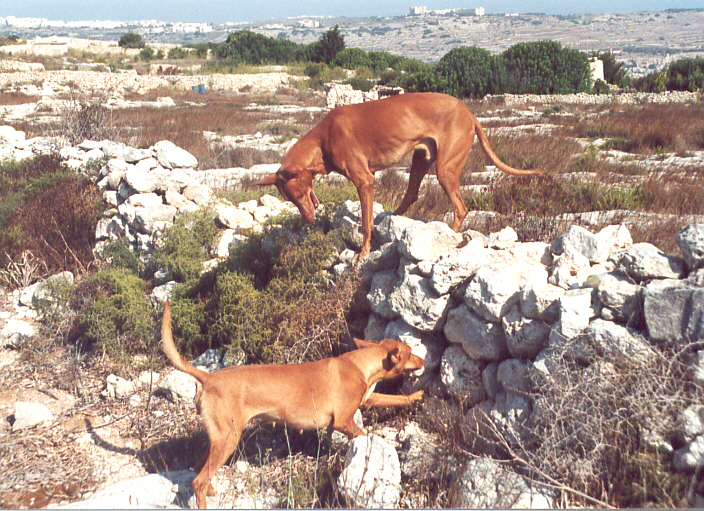
The Pharaoh Hound’s name reflects an association with ancient Egyptian hunting dogs and artistic motifs, but modern breed history centers on Malta, where rabbit hunting was a traditional rural pursuit. The Maltese name for the type, translated as "rabbit dog," hints at that role. While archaeological finds across the Mediterranean show dog types with a similar sighthound silhouette, careful breeding and recognition as a distinct modern breed occurred in the 19th and 20th centuries.
Behavior, athleticism and uses
As a true sighthound, the Pharaoh Hound relies on vision and speed to pursue prey. They are swift and agile—remarkable fast runners that can cover ground quickly and jump with ease. Historically used to flush or catch rabbits, today they are kept both for sport and as companion animals. They are intelligent, affectionate with family, and often playful, but their prey drive means they may chase small animals if not managed.
Care, grooming and health
Maintenance is moderate: short, close-lying fur sheds seasonally but requires only light brushing and routine bathing. Because of their thin coat and low body fat they can be sensitive to cold and benefit from protection in chilly weather. Regular exercise is important to meet their high activity needs. The breed is generally healthy but, like all breeds, can be prone to certain inherited conditions; responsible breeders screen for these when possible.
Modern role and suitability
Today the Pharaoh Hound is appreciated both as a working sighthound and as a companion. They thrive in active households that provide daily running and mental stimulation, and they form strong bonds with owners. Many enthusiasts keep them as loyal pets and show or field competitors. Prospective owners should understand and plan for their exercise and chase instincts.
Related articles
Author
AlegsaOnline.com Pharaoh Hound (Tesem) — Maltese sighthound Leandro Alegsa
URL: https://en.alegsaonline.com/art/76338