
Lagomorpha: rabbits, hares and pikas — biology, evolution, and ecology
Lagomorpha is the mammalian order that includes pikas, rabbits and hares. This article explains their anatomy, behavior, taxonomy, ecological roles, and conservation challenges.
Overview
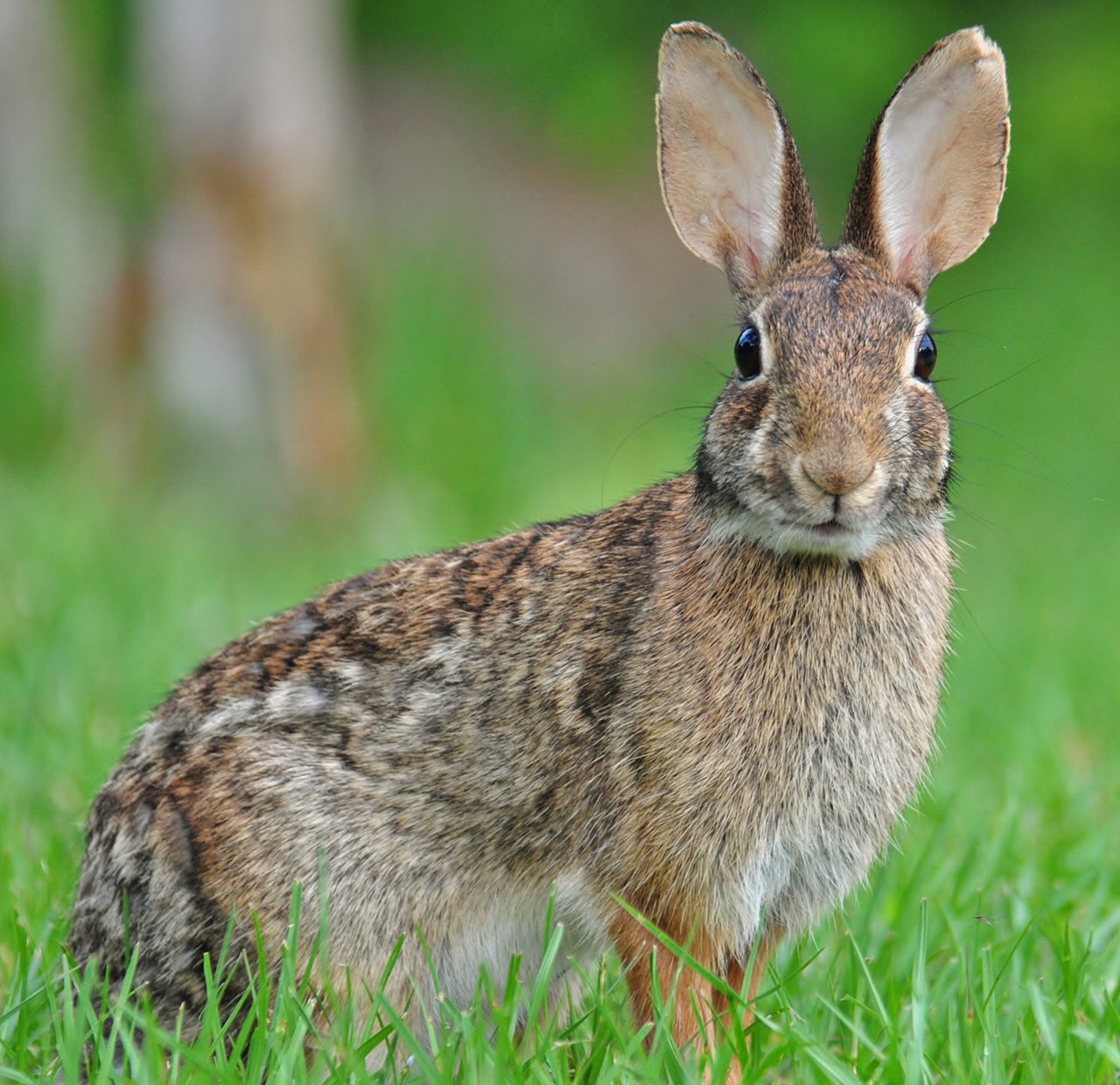
Lagomorpha is the mammal order that groups the small to medium-sized herbivores commonly known as pikas, rabbits and hares. Although they resemble rodents in general appearance and habits, lagomorphs are a separate lineage more precisely compared with other members of the clade Glires. Casual observers sometimes confuse them with rodents, but a number of structural and behavioural traits distinguish the two groups.
Image gallery
10 Images




Key characteristics
Lagomorphs share a suite of anatomical and physiological features adapted to a herbivorous lifestyle. A distinctive dental trait is the presence of four incisors in the upper jaw: a prominent pair in front and a smaller pair directly behind them; this duplication is unlike the typical rodent pattern with two upper incisors (four incisors on the upper jaw is diagnostic). Their diet consists almost entirely of plant material, and their digestion includes specialized behaviour such as coprophagy (re-ingestion of soft faecal pellets) to extract additional nutrients.
- Hindlimbs adapted for rapid bounding and jumping.
- High reproductive capacity in many species, producing multiple litters per year.
- Specialized gut fermentation and cecotrophy to recover nutrients from fibrous plants.
Taxonomy and evolution
The order is conventionally divided into two families: Leporidae, which contains rabbits and hares, and Ochotonidae, the pikas. Historically, lagomorphs were placed within Rodentia until anatomical and molecular studies demonstrated clear differences. Modern analyses maintain Lagomorpha as a distinct order closely allied with rodents within Glires, and scientists continue to investigate the group's early diversification and fossil history as part of broader research into mammalian evolution.
Behavior, reproduction and life history
Reproductive and parental strategies vary across the order. Many rabbits are social and construct burrows or warrens; their young are born altricial (helpless at birth) and require extended parental care. Hares tend to be solitary, make simple nests, and give birth to precocial young that are relatively mature and mobile soon after birth. Pikas are small, often rock-dwelling lagomorphs that collect vegetation stores for winter use. Across the order, high fecundity and rapid maturation help populations recover from predation and fluctuating food supplies.
Ecological role and human interactions
Lagomorphs are important herbivores in many ecosystems. As grazers and browsers they influence plant community composition and provide a major food source for predators such as raptors, carnivores and large snakes. Some species have been domesticated or widely managed for meat, fur and as pets, while others are regarded as agricultural pests where populations can grow rapidly. Disease dynamics are notable: pathogens such as myxoma virus and rabbit haemorrhagic disease have had dramatic effects on wild and introduced rabbit populations in parts of the world.
Conservation and notable facts
While several lagomorph species are abundant and widespread, others face conservation concerns due to habitat loss, hunting, disease and competition from introduced species. The diversity of ecological roles and adaptations across the order—from alpine-dwelling pikas that live among talus slopes to burrowing rabbits of grassland plains—makes Lagomorpha a useful group for studying ecology, behaviour and evolutionary response to environmental change. For general background and further reading, see overview resources and taxonomic summaries linked throughout this article such as those indicated above (order, pikas, rabbits, hares, rodents, four incisors, upper jaw, plants, Leporidae, evolution).
Related articles
Author
AlegsaOnline.com Lagomorpha: rabbits, hares and pikas — biology, evolution, and ecology Leandro Alegsa
URL: https://en.alegsaonline.com/art/55385
Sources
- bucknell.edu : Mammal Species of the World
- commons.wikimedia.org : Lagomorpha
- species.wikimedia.org : Lagomorpha