
History of the United States: From Indigenous Peoples to the Contemporary Era
A concise, chronological account of the history of the United States covering indigenous cultures, European colonization, independence, expansion, civil conflict, global wars, social change, and recent events.
Overview
The United States is a nation on the continent of North America whose history spans precontact indigenous societies to a modern federal republic. Long before European arrival, diverse communities of Native Americans inhabited the Americas, developing a wide range of cultures, languages and economies adapted to local environments. The subsequent centuries brought major demographic, political and economic transformations that produced the country recognized today.
Image gallery
10 Images


Colonization and early settlement
Beginning in the late 15th and early 16th centuries, explorers and colonists from several European states established settlements, trade networks and colonies on the North American mainland and islands. English migration increased in the 17th century when groups of English people and other British subjects founded permanent colonies, including the Virginia settlement at Jamestown. Over time other European settlers arrived from England and later Great Britain, while states such as France, Spain and the Netherlands established their own colonial footholds. Colonial life varied considerably by region, shaped by climate, indigenous relations, labor systems and imperial policies.
Revolution and foundation of a new nation
By the mid-18th century, tensions over governance, trade and taxation contributed to a political break between many colonists and the British crown. Armed conflict began in 1775 and became the Revolutionary War in which many colonial forces sought independence. On July 4, 1776, representatives adopted the Declaration of Independence, asserting sovereign statehood. Victory in the conflict led to creation of national institutions, a constitution, and later the first ten constitutional amendments known as the Bill of Rights. Prominent leaders of the period, including George Washington, played central roles in both military and civic leadership.
- Declaration of Independence
- Revolutionary War
- Bill of Rights
- George Washington and early presidencies
Expansion, economy, and the Civil War
During the 19th century the United States expanded territorially across the continent through purchase, treaty and settlement. Economic change accelerated as regions industrialized and urbanized; factories and improved transport reshaped production and labor (industrialization). Westward settlement and disputes over slavery created sectional conflict. In 1861, several states in the South declared secession and formed the Confederate States of America, precipitating the American Civil War. The war ended slavery as a legal institution and led to a difficult period of reconstruction. The later 19th century, sometimes called the Gilded Age, saw rapid industrial growth and the rise of one of the world’s largest national economies (economic expansion).
Global emergence and the 20th century
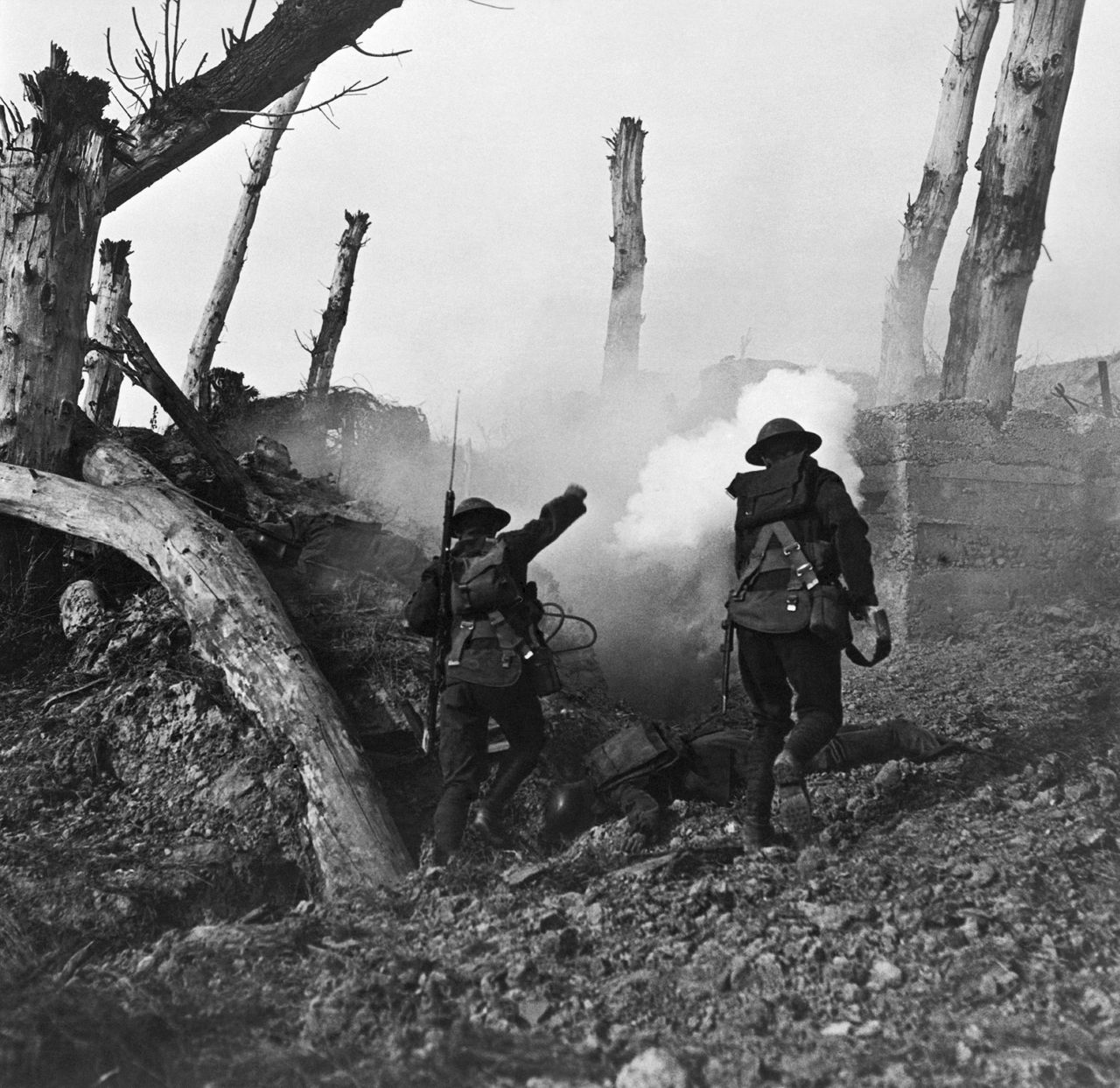
By the 20th century the United States was increasingly active on the global stage. It participated in World War I and played a major role in World War II, conflicts that reshaped international power structures. Between and after the wars, the country experienced large swings in prosperity: the consumer boom of the Roaring Twenties was followed by the economic collapse known as the Great Depression, which profoundly affected society and policy. World War II helped end the Depression and accelerated technological and industrial change.
Cold War era and movements for rights
After 1945 the United States confronted a geopolitical rivalry with the Soviet Union in the Cold War. That rivalry involved direct and proxy conflicts such as the Korean War (Korea) and the Vietnam War (Vietnam). Domestically, the mid-20th century brought significant social movements: African Americans renewed efforts to secure civil rights, Mexican Americans and Chicanos organized for political and labor rights, and women’s movements sought greater legal and social equality—broadly advancing claims for rights across American life.
Late 20th century to the present
In the late 20th century the United States underwent economic restructuring, including a decline in some traditional factory manufacturing and periodic economic downturns, including notable recessions. Foreign policy attention increasingly focused on the Middle East and resource and security questions, shaping broader foreign policy. The terrorist attacks of September 11 in 2001 had lasting effects on security and diplomacy. Recent decades have seen presidencies that addressed economic and social policy in different ways—such as Barack Obama, whose administration engaged in financial rescue and reforms affecting the auto industry and health coverage—and the rise of more populist currents culminating in the election of Donald Trump. The early 2020s were shaped by the global COVID-19 pandemic, renewed public debate and protest over racial justice, and contested political disputes following the 2020 election. These developments continue to influence civic life, policy choices and the nation’s global role.
For an introduction to detailed timelines, primary documents and regional histories, readers may consult specialized surveys and archival collections that explore each era and theme in depth. The history of the United States remains a complex story of diverse peoples, institutions and ideas interacting over time.
Questions and answers
Q: What caused the Revolutionary War?
A: The Revolutionary War began when the colonists were upset over paying taxation to their government in the UK, but were not being given any chance to vote in the UK/British elections, to contribute to how that money was spent. Just after dawn on April 19, 1775, the British attempted to disarm the Massachusetts militia at Concord, Massachusetts, thus beginning the war with the "Shot Heard Round the World."
Q: When did America gain its independence?
A: On July 4th 1776, Founding Fathers wrote and signed the United States Declaration of Independence. This officially declared America's independence from Great Britain.
Q: Who was America's first president?
A: General George Washington was America's first president. He had previously led American forces during the Revolutionary War against Britain.
Q: What event marked a period of economic growth for Americans in early 20th century?
A: In early 20th century there was an economic boom called 'The Roaring Twenties', where many people became richer and experienced financial success.
Q: What event ended The Great Depression?
A: The Great Depression ended with World War II which began in 1939 and lasted until 1945.
Q: How did African-Americans, Chicanos and women seek more rights during this time period?
A: During this time period (the Cold War era), African-Americans, Chicanos and women sought more rights through protests and other forms of activism such as marches or sit-ins. They also worked hard to pass laws that would protect their civil rights and ensure they had equal access to opportunities available in society.
Q:What events occurred during Donald Trump's presidency that led to social unrest?
A:During Donald Trump’s presidency there have been several events that have led to social unrest including disputes over immigration policies; racial justice issues such as police brutality; as well as disputes over election results which ultimately led to violent reactions from some individuals or groups within society.
Related articles
Author
AlegsaOnline.com History of the United States: From Indigenous Peoples to the Contemporary Era Leandro Alegsa
URL: https://en.alegsaonline.com/art/44505