
History of Uruguay
A concise overview of Uruguay’s past from pre-Columbian times through colonization, independence, 19th–20th century development, and modern social and political developments.
The history of Uruguay is shaped by its location on the Río de la Plata, contested colonial rivalries, and an enduring rural and urban culture. Its past is commonly divided into pre-Columbian settlement, colonial rule, the emergence of a nation in the early 19th century, and the development of a modern democratic republic. For an overview see history resources.
Image gallery
10 Images





Periods and key features
- Pre-Columbian societies and indigenous life.
- Colonial rivalries between Spanish and Portuguese powers.
- Struggle for autonomy and the founding of an independent state.
- Nation building, internal conflicts, modernization, and contemporary democracy.
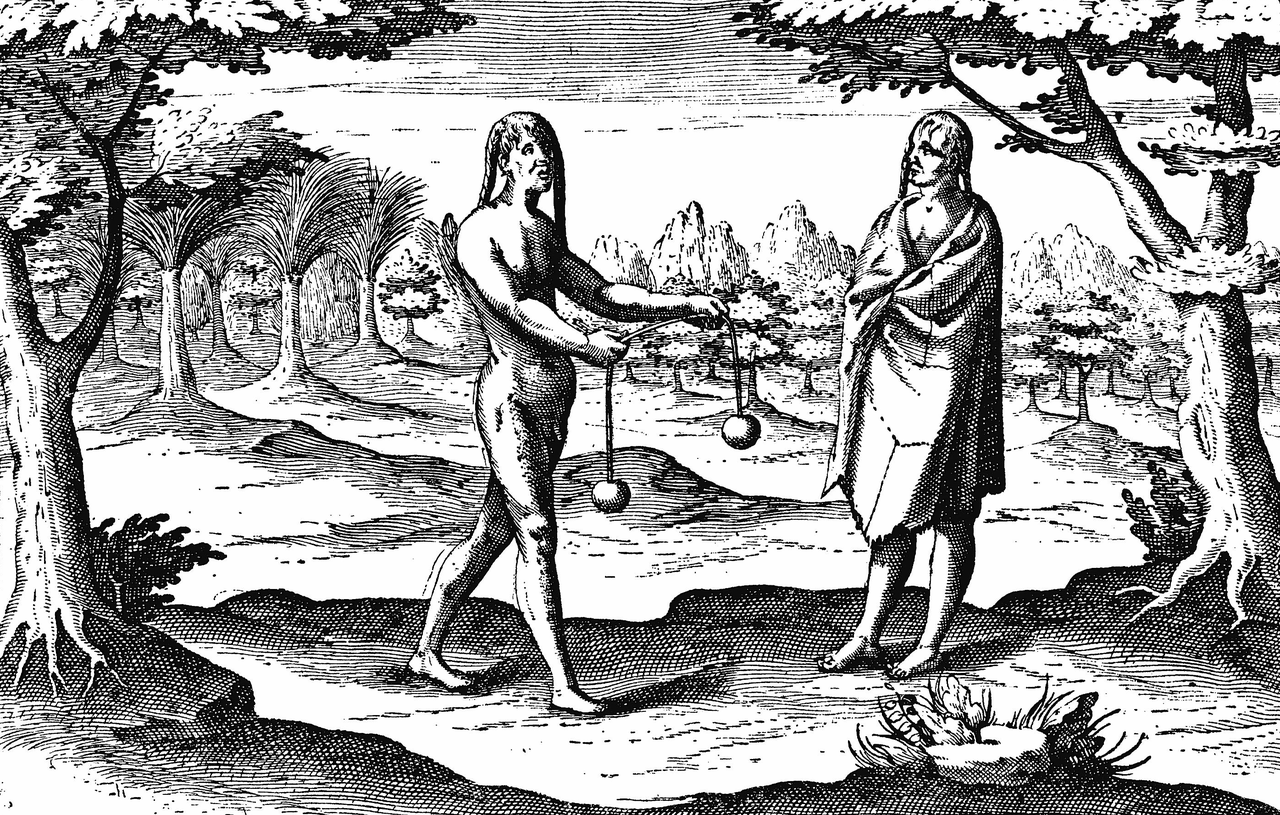
Before European arrival, people lived in the territory for thousands of years. Indigenous groups such as the Charrúa and other native communities hunted, fished and practiced local agriculture. Contact with Europeans brought dramatic change: new diseases, armed confrontations and the disruption of indigenous lifeways after the 16th century. For more on colonial contact see colonial studies.
During the colonial era the plain known as the Banda Oriental became a zone of contest between Spanish and Portuguese interests. Spanish administrative structures linked the region to the Viceroyalty of the Río de la Plata while Portuguese expansion from Brazil created recurring tensions. Forts, ports and settlements grew as imperial powers sought control of strategic river and coastal access. Learn more about European influence at European contact.
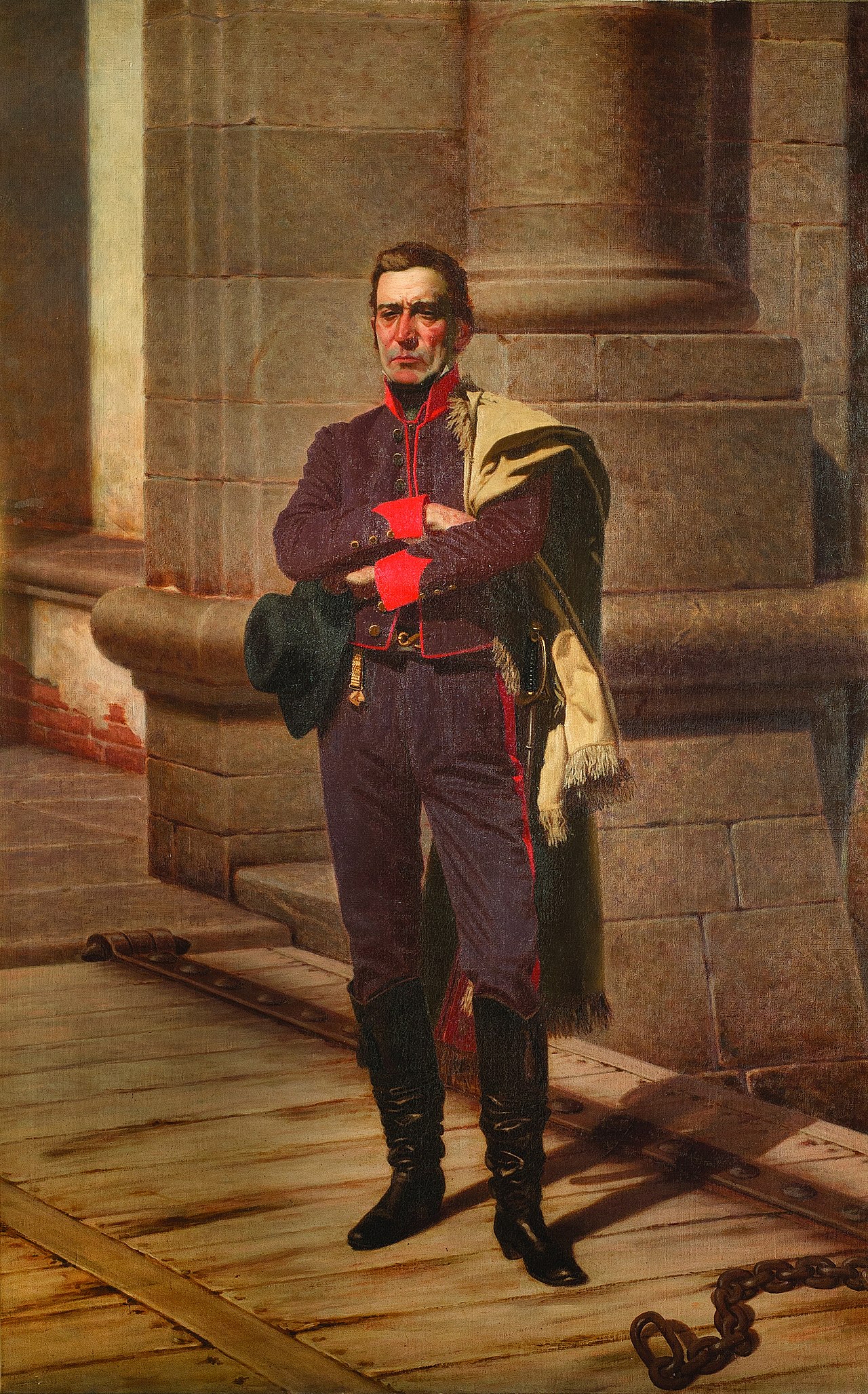
Local resistance and regional wars in the early 19th century produced prominent leaders and shifting alliances. José Gervasio Artigas is celebrated for leading a federalist movement that sought local autonomy from Buenos Aires. After a period of struggle involving neighboring states, Uruguay emerged as an independent country through diplomatic negotiation and international mediation, serving historically as a buffer between larger neighbors.
The late 19th and early 20th centuries brought economic expansion based on cattle, wool and agricultural exports, accompanied by political rivalry between major parties and episodes of civil conflict. Reformist leaders implemented social and institutional changes that modernized the state and expanded public services. The country experienced a military government in the 1970s and early 1980s, followed by a return to civilian rule and renewed democratic governance.
Today Uruguay is noted for stable institutions, social legislation and a relatively high level of social development. Its economy mixes agriculture, industry and services, while cultural life centers on urban hubs such as the capital. Contemporary policy choices have drawn international attention for progressive measures in social policy and governance. Further contemporary analysis is available at current perspectives.
Related articles
Author
AlegsaOnline.com History of Uruguay Leandro Alegsa
URL: https://en.alegsaonline.com/art/44509