
Seventh generation of video game consoles: overview and legacy
Examination of the seventh console generation: major systems, technological advances (HD, motion control, Blu-ray), timeline, market effects, and lasting impact on gaming culture and distribution.
Overview
The seventh generation of video game consoles marks a period when home systems broadened beyond traditional game play into high-definition visuals, multimedia playback and novel input methods. Often dated from the mid-2000s, this era is associated with the rise of the seventh generation platforms led by Microsoft, Sony and Nintendo and by new approaches to who could be a gamer.
Image gallery
10 Images




Major platforms and launch timeline
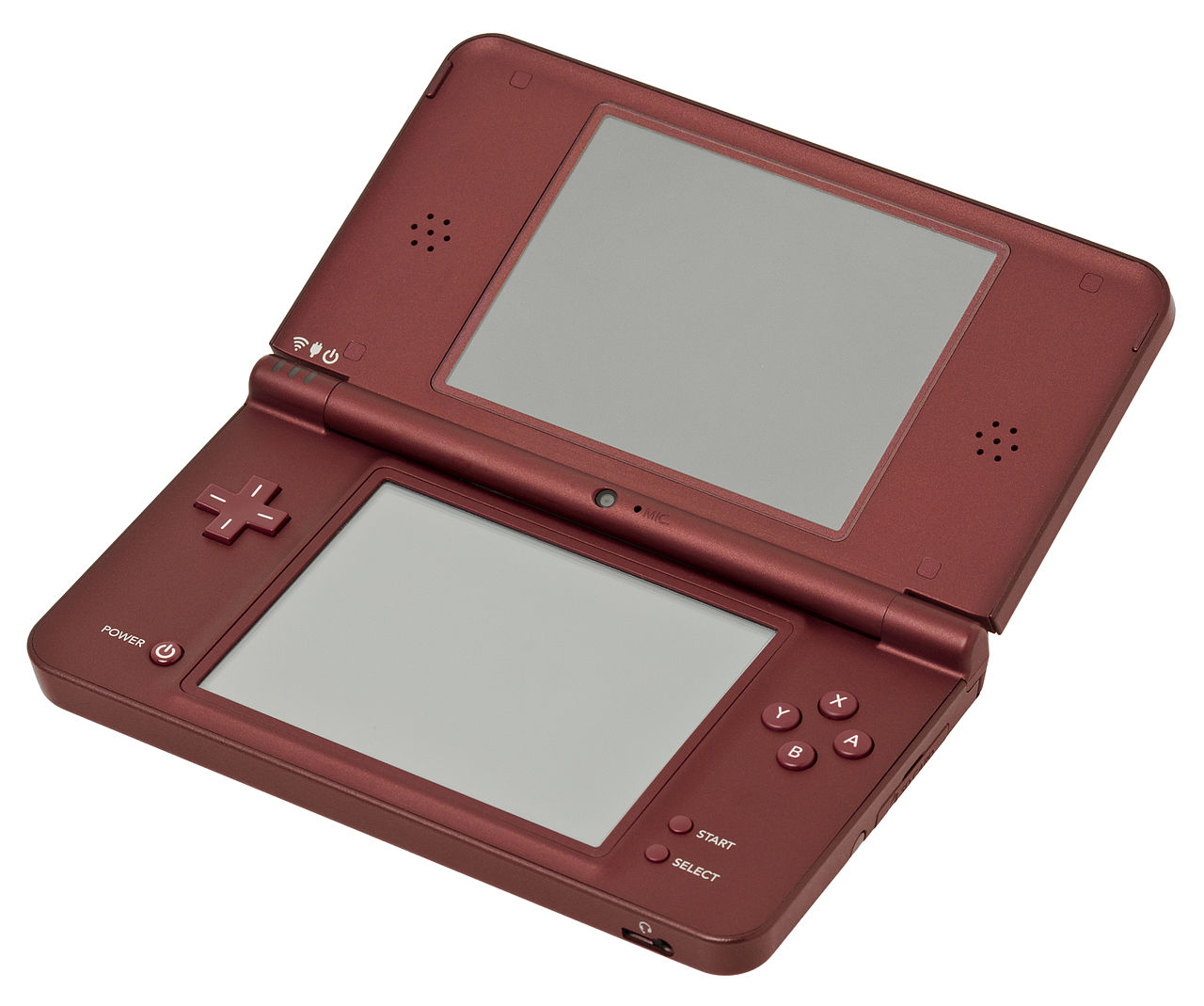
Microsoft's Xbox 360 arrived first in late 2005 and established early momentum with emphasized online functionality and support for high-definition output. Sony followed with the PlayStation 3, released during 2006, which combined a high-performance processor with a Blu-ray disc player and advanced multimedia features. Nintendo's Wii, also released in 2006, prioritized innovative controls and accessibility over raw graphical power. Handhelds associated with this broader period included the influential Nintendo DS, often treated as the leading handheld game console of the time.
Key technological characteristics
Three technical trends defined much of the generation. First, increased visual fidelity and support for HD resolutions raised production values and reoriented development toward cinematic presentation. Second, consoles expanded into general-purpose multimedia devices, offering HD movie playback and digital distribution alongside games. Third, new input systems shifted how players interacted with games: Nintendo emphasized motion-sensitive controllers that used motion sensors and conventional joysticks, while later add-ons introduced camera-based and controller-free motion control.
Motion control and accessories
Nintendo's motion-led approach changed design priorities and drew in nontraditional audiences, encouraging social and family-oriented play. Sony responded with the PlayStation Move, a wand-like controller that partnered with cameras to track motion, while Microsoft introduced the camera-based Kinect, which used body tracking so players could act as the controller. The Kinect was notable for early commercial success; it was reported to have sold about eight million units in its first 60 days and was recognized by Guinness for rapid sales.
Online services, distribution and control options
Online networks matured during this generation. Microsoft and Sony expanded digital storefronts, downloadable content and multiplayer matchmaking, helping smaller developers reach audiences. Controllers for the major home consoles could be used wired or wirelessly, giving players flexibility in setup and supporting living-room social experiences. These shifts—multiplayer ecosystems, digital sales and patchable software—helped reshape the business of games.
Market effects and legacy
The seventh generation altered the industry's shape in several ways: it accelerated mainstream adoption by casual players, legitimized games as a form of home entertainment beyond children and hobbyists, and established physical media standards and online channels that persisted into later generations. The era also exposed tensions: hardware complexity affected development and costs, and distinct design choices (for example, Wii's lower graphical focus) changed third-party support strategies. Notable problems—such as early hardware reliability issues on some platforms—led manufacturers to adjust policies and hardware revisions over the lifecycle.
Notable distinctions and lasting influence
- Graphics and media: High-definition gaming and integrated optical media players became standard features (HD, Blu-ray).
- Input innovation: Motion control and alternative interfaces broadened design possibilities (controllers, motion sensors, Kinect, Move).
- Distribution: Digital storefronts and downloadable titles created new business models and discoverability for indie games.
- Audience: The generation expanded the demographic reach of games, attracting families and casual players through systems like the Wii and handheld innovations such as the Nintendo DS.
For more detailed technical comparisons, regional launch information and platform-specific service histories, consult dedicated resources and manufacturer archives: overview, Xbox 360, PlayStation 3, Wii, media features, 3D experiments, input types, Nintendo, Microsoft, connectivity options, handheld lineage, and other topic pages referenced above.
Questions and answers
Q: What was the first console released in the seventh generation of video game consoles?
A: The first console released in the seventh generation of video game consoles was the Xbox 360, which was released on November 22, 2005.
Q: What type of technology did each new console introduce?
A: The Xbox 360 had games at HD resolutions, while the PlayStation 3 included FHD gaming, HD movie playback and a built-in 3D Blu-ray disc player. The Wii's controllers had movement sensors as well as joysticks.
Q: When did Sony release the PlayStation Move?
A: Sony released the PlayStation Move in September 2010.
Q: What is Kinect?
A: Kinect is a motion controller developed by Microsoft that does not require any additional controllers and makes users themselves into "controllers".
Q: How successful was Kinect when it was released?
A: When it was released, Kinect sold 8 million units within its first 60 days and earned a Guinness World Record for being named "fastest selling consumer electronic device".
Q: Can both PlayStation 3 and Xbox 360 controllers be used wirelessly or wired?
A: Yes, both PlayStation 3 and Xbox 360 controllers can be used either wirelessly or wired.
Q: What was the first handheld game console of this generation?
A: The first handheld game console of this generation was the Nintendo DS.
Related articles
Author
AlegsaOnline.com Seventh generation of video game consoles: overview and legacy Leandro Alegsa
URL: https://en.alegsaonline.com/art/44515
Sources
- ps3rules.com : "PS3 Launch Prices from around the world"
- kotaku.com : "Sony Confirms PS3 Price-Cut, 80GB Bundle"
- joystiq.com : "Sony announces 80GB PlayStation 3 (in South Korea)"
- today.reuters.com : "Sony to sell new 40GB PlayStation 3 in U.S." · web.archive.org
- engadget.com : "160GB PS3 slim spotted on GameStop's website"
- news.punchjump.com : "Sony to sell PS3 250GB SKU at $349.99 in Nov"
- businesswire.com : "Nintendo to Include Wii Sports Resort, Wii MotionPlus with All New Wii Systems"
- nintendo.com : "Wii Mini"
- joystiq.com : "40GB PS3 announced for Japan, Sony introduces white PS3"
- kotaku.com : "Nintendo Selling Black Wii in Japan This Summer"
- joystiq.com : "Capcom bundling Monster Hunter 3 with black Wii in Japan"
- engadget.com : "New Xbox 360 priced at €249.99 in Europe"
- kotaku.com : "New Xbox 360 Model Hits Next Month, Kinect Bundle Confirmed"