
Automobile (Car): Overview, Parts, History, and Uses
A clear, concise overview of automobiles: their definition, main components, historical development, common types, typical uses, and key distinctions such as drivetrains and fuel systems.
An automobile, commonly called a car, is a wheeled motor vehicle principally designed to transport people. Most cars are built with a body to enclose occupants, seating for passengers, storage space, and controls for steering, braking and acceleration. The basic idea is personal or small-group passenger transport, adapted to roads and urban networks.
Image gallery
10 Images


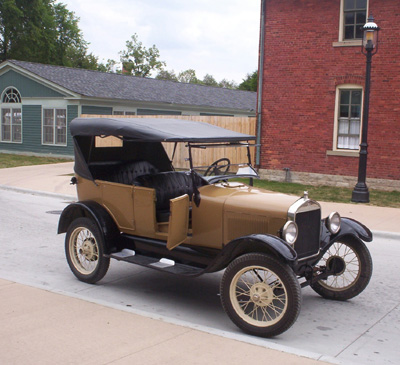

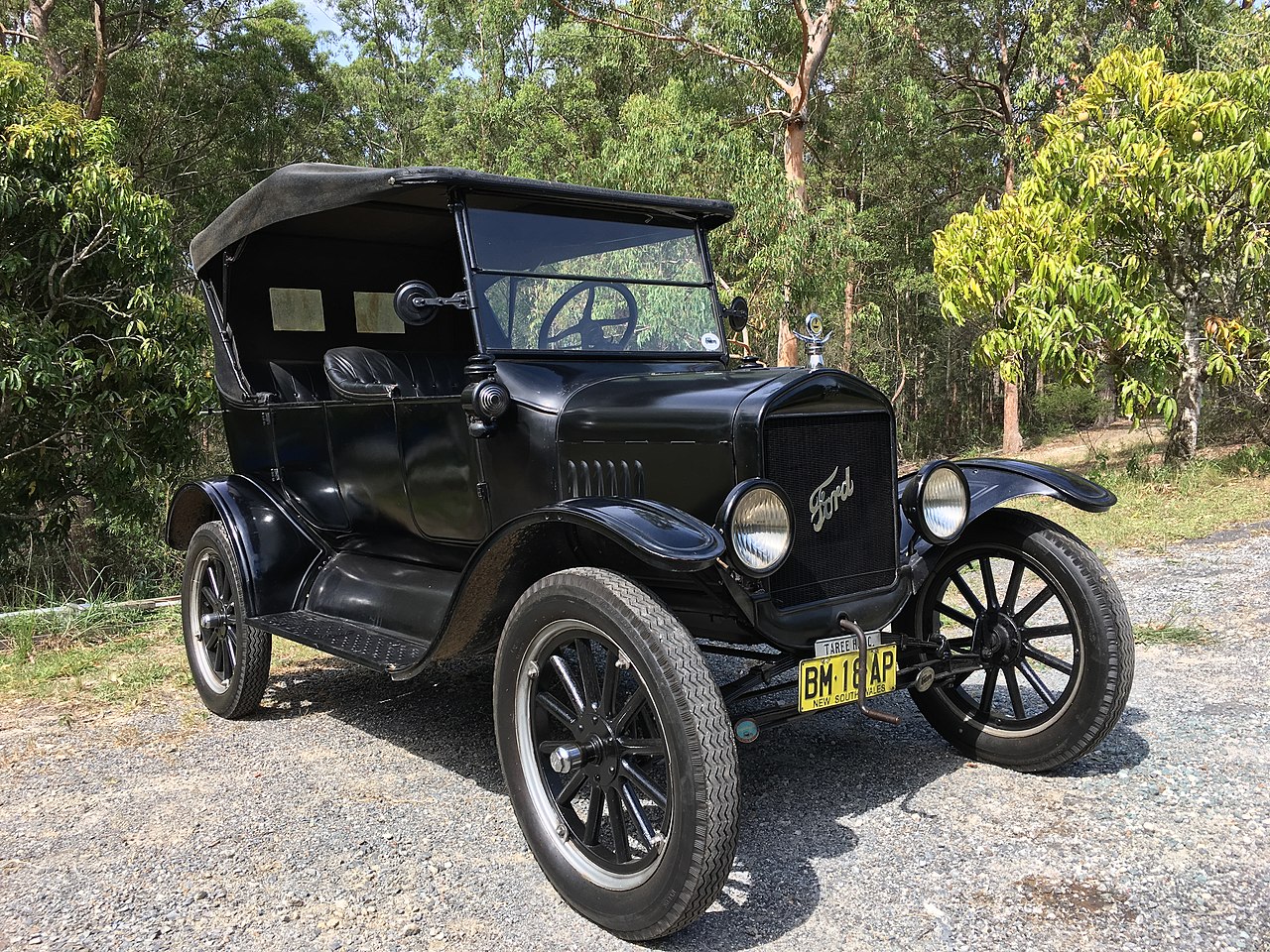


Main components and layout
Automobiles combine several major systems: a propulsion unit (an engine or motor), a transmission to deliver power, a chassis and suspension to support and smooth the ride, brakes for stopping, and a steering system for direction. Most conventional cars have four wheels, though designs vary.
Common parts and features include:
- Powertrain: internal combustion engine, electric motor, or hybrid arrangements
- Transmission: manual, automatic, or single-speed for some electrics
- Safety systems: seat belts, airbags, and electronic stability aids
- Comfort and convenience: climate control, infotainment, and lighting
History and development
The automobile evolved during the late nineteenth and early twentieth centuries from experimental steam and electric vehicles to the widespread adoption of internal combustion engines. Advances in mass production, road building and fuel availability made cars central to modern mobility. Since then, improvements in safety, emissions control and electronics have shaped their development.
Uses and impact: Cars serve daily commuting, family travel, commercial tasks and emergency services. They shaped urban planning, economies and lifestyles but also raise concerns about energy consumption, air quality and congestion. Policy, technology and consumer preference continue to influence how automobiles are designed and used.
Distinctions and trends: Body styles (sedan, hatchback, SUV), drivetrains (front-, rear- or all-wheel drive), and fuel systems (petrol, diesel, electric, hybrid) define categories. Emerging trends include electrification, autonomous features and shared mobility models that may change ownership and usage patterns.
Questions and answers
Q: What is an automobile?
A: An automobile, commonly referred to as a car, is a land vehicle used for transporting passengers.
Q: How many wheels does an automobile usually have?
A: An automobile usually has four wheels.
Q: What powers an automobile?
A: An automobile is usually powered by an engine or motor.
Q: What type of vehicle is an automobile?
A: An automobile is a land vehicle.
Q: What is the purpose of an automobile?
A: The purpose of an automobile is to carry passengers.
Q: Is an automobile also known as a car?
A: Yes, an automobile is commonly known as a car.
Q: Can an automobile have more than four wheels?
A: An automobile can have more than four wheels, but four is the most common number.
Related articles
Author
AlegsaOnline.com Automobile (Car): Overview, Parts, History, and Uses Leandro Alegsa
URL: https://en.alegsaonline.com/art/16838
Sources
- commons.wikimedia.org : Automobile
- autoexpress.co.uk : "Euro 6 emissions standards: what do they mean for you?"
- cleantechnica.com : "Boom! Fossil Vehicle Sales Are Officially Now Decreasing In China, Europe, & USA"
- theatlas.com : "Sales of passenger EVs will outnumber gasoline ones in 2038"
- theguardian.com : "Amsterdam to ban petrol and diesel cars and motorbikes by 2030"
- worldcat.org : 0261-3077
- thedriven.io : "Turn on a penny: Hyundai developing electric cars with motors inside the wheels"