
George Floyd protests (2020–2022)
A widespread wave of demonstrations that began after George Floyd's death in Minneapolis in May 2020, prompting national and international protests against police brutality and racial injustice.
Overview
The George Floyd protests began in late May 2020 after the death of George Floyd during an arrest by Minneapolis police. What started as local demonstrations in Minneapolis and the surrounding Twin Cities area of Minnesota quickly expanded into a nationwide and international movement. Millions of people participated in marches, vigils and rallies to demand accountability, changes to policing, and broader social reforms.
Image gallery
10 Images





Nature and scale
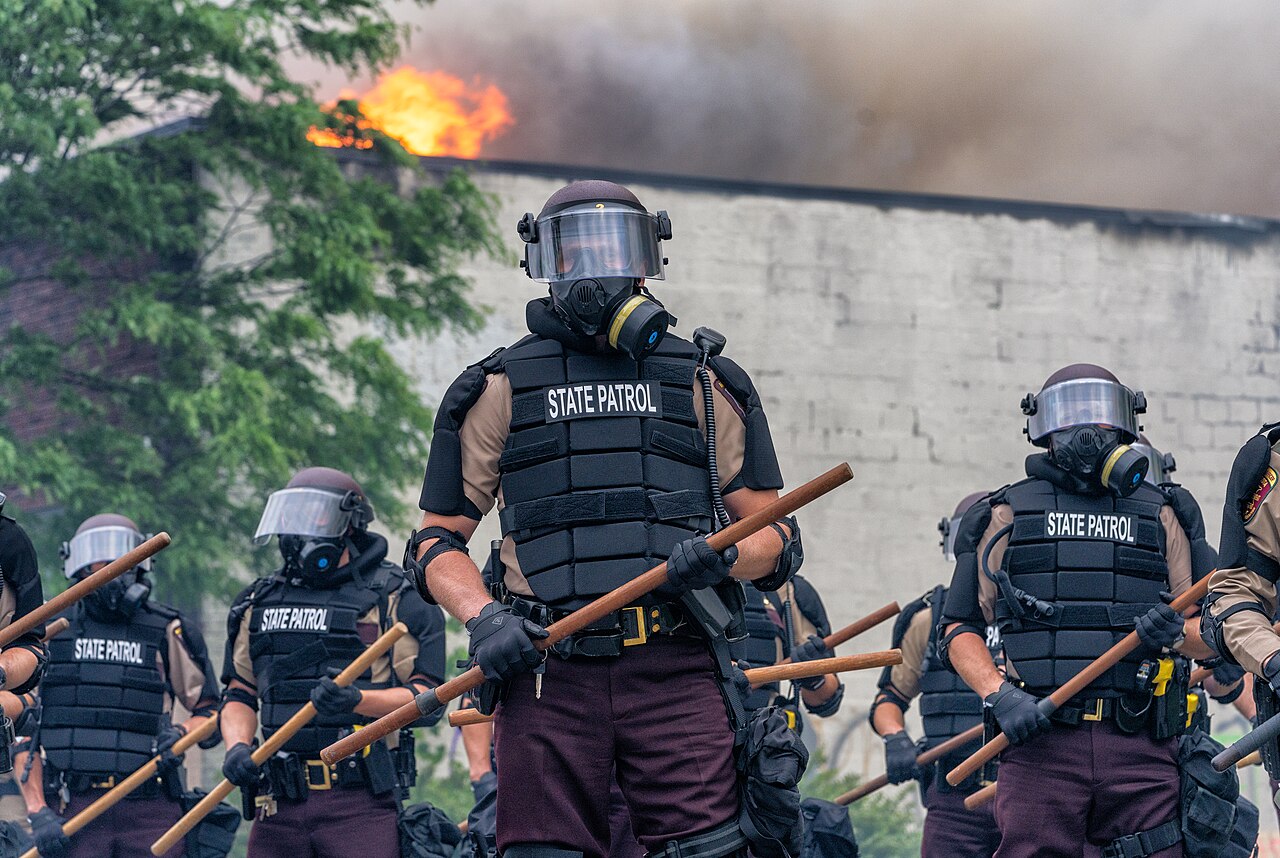
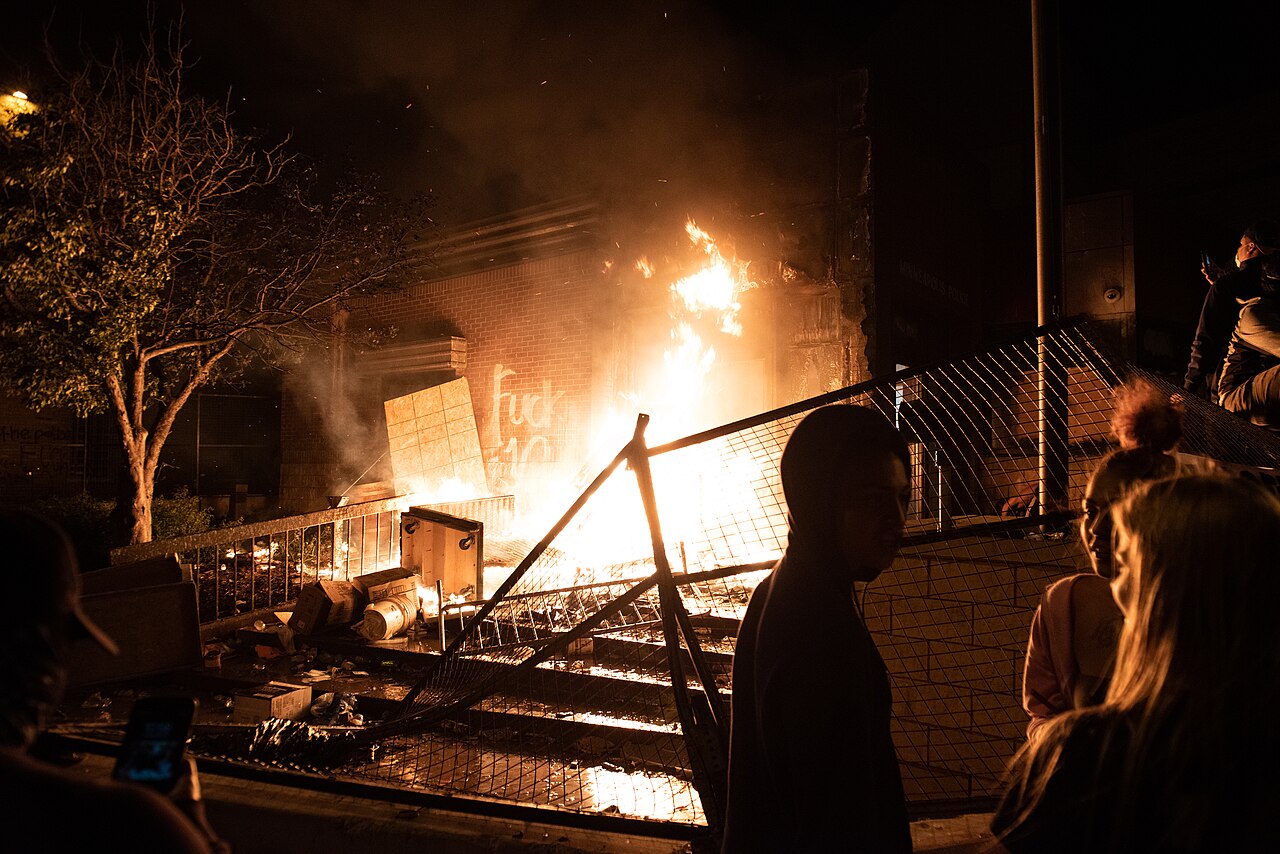
The vast majority of gatherings were peaceful, but the protests encompassed a wide range of activity, including organized marches, sit-ins and civil disobedience, as well as episodes of property damage and clashes with police. Some demonstrations developed into protests that authorities elsewhere described as riots. In Minneapolis the confrontation at the police department's Third Precinct drew national attention when officers used tear gas and other crowd-control measures and the empty precinct building was later overrun and set on fire.
Key features
- Wide geographic spread: from city streets in the United States to international solidarity demonstrations.
- Broad participation: grassroots activists, community groups, students and established organizations such as Black Lives Matter.
- Varied tactics: peaceful marches, direct action, and, in some places, instances of looting and property damage where shops were looted.
- Information dynamics: real-time video and social media amplified eyewitness accounts and the images of Floyd's death.
Government and police responses
Local leaders declared emergencies and imposed curfews in several cities. In Minnesota, Mayor Jacob Frey and Governor Tim Walz coordinated responses that included mobilizing the National Guard. The federal government signaled readiness to assist; then-President Donald Trump discussed potential federal responses. Journalists covering events were sometimes impeded or assaulted, drawing concern from press freedom advocates and prompting reports about attacks on journalists.
Outcomes and legacy
The protests prompted a mix of immediate and longer-term effects: renewed public debate on policing and race, legislative proposals at local and state levels, corporate and institutional policy reviews, and renewed attention to criminal justice reform. High-profile legal proceedings followed, including the trial of an officer involved in Floyd's death and broader inquiries into policing practices. Observers have emphasized that while many gatherings were peaceful, the overall episode included both constructive civic engagement and episodes of violence that complicated public responses.
Notable distinctions and facts
- Independent monitoring found that most protests were nonviolent even though some received attention for disorder.
- The movement combined long-standing civil rights organizing with rapid digital mobilization.
- Responses varied widely between jurisdictions, illustrating differences in policing strategy and local governance.
For further reading and primary reporting on specific events, see contemporary accounts from local and national sources that documented the course of demonstrations in real time (local coverage, analysis, and official statements from Minneapolis and regional authorities). Additional materials include statements by Minnesota officials (state), detailed incident reports on the circumstances of Floyd's death (case summaries), law enforcement tactics discussed in many forums (crowd-control), and documentation of property harm (looting, arson). Policy reactions by city leaders such as Jacob Frey and Tim Walz, use of the National Guard, imposition of curfews, federal involvement (administration), organizing by Black Lives Matter, and incidents affecting the press (journalist reports) are all part of the record.
Questions and answers
Q: What caused the George Floyd protests?
A: The George Floyd protests were sparked by the murder of George Floyd on May 25, 2020 while he was being arrested by officers of the Minneapolis Police Department (MPD).
Q: Where did the protests begin?
A: The George Floyd protests began in Minneapolis-Saint Paul metropolitan area, Minnesota, United States.
Q: How long did the protests last?
A: The George Floyd protests lasted until early 2022.
Q: Were most of the protests peaceful?
A: According to a September 2020 report by the U.S. Crisis Monitor, almost 95% of all protests were nonviolent.
Q: What action was taken in response to these events?
A: In response to these events, Minneapolis Mayor Jacob Frey declared a state of emergency and Governor of Minnesota Tim Walz called in 500 Minnesota National Guard troops. Additionally, curfews were added and President Donald Trump assured Walz of U.S. military support.
Q: Who is involved in organizing and leading these protest movements?
A: The activist group Black Lives Matter is involved in organizing and leading these protest movements; however they do not have one leader or one organization as they are decentralized with many different groups participating across multiple locations worldwide.
Q: Were journalists attacked during this time period?
A: Yes, there were many attacks on journalists both in the Twin Cities and at sister protests during this time period
Author
AlegsaOnline.com George Floyd protests (2020–2022) Leandro Alegsa
URL: https://en.alegsaonline.com/art/138819