
Chicano: identity, history, and cultural significance
Chicano denotes a U.S. person of Mexican or mixed Latin American heritage and a politicized identity tied to culture, language, activism and arts; usage and meaning vary across communities.
Overview
The term Chicano (female: Chicana) is used in the United States to describe people of Mexican or mixed Latin American heritage who identify with a particular cultural, social, or political tradition. For some it emphasizes connections of family background or mixed ancestry, for others it underscores a civic connection to the United States and roots in Mexico. Usage can be personal, communal, or political and varies widely by generation and region.
Image gallery
10 Images



Identity and terminology
Chicano is sometimes used interchangeably with Mexican-American or Latino, but it can carry distinctive connotations. For many, the label signals cultural pride, bilingualism or the use of Spanglish, and a conscious alignment with a Mexican-American experience. Others prefer broader terms like Hispanic, Latino, or national identifiers. People with origins in Central America or South America are less commonly described as Chicano, though cross-border and mixed heritages can make labels fluid.
History and development
The modern political and cultural use of Chicano gained visibility in the mid-20th century, particularly during social movements of the 1960s and 1970s that sought civil rights, educational reform, labor justice, and cultural affirmation. Activists, students, and artists reclaimed the term to express resistance to discrimination and to assert a distinct political identity within the U.S. civic landscape. The word's linguistic origins are debated, and historical meanings have shifted over time.
Cultural expression and common traits
Chicano identity appears across many forms of public life. Common cultural expressions include:
- Literature and poetry that explores bicultural experience and social issues.
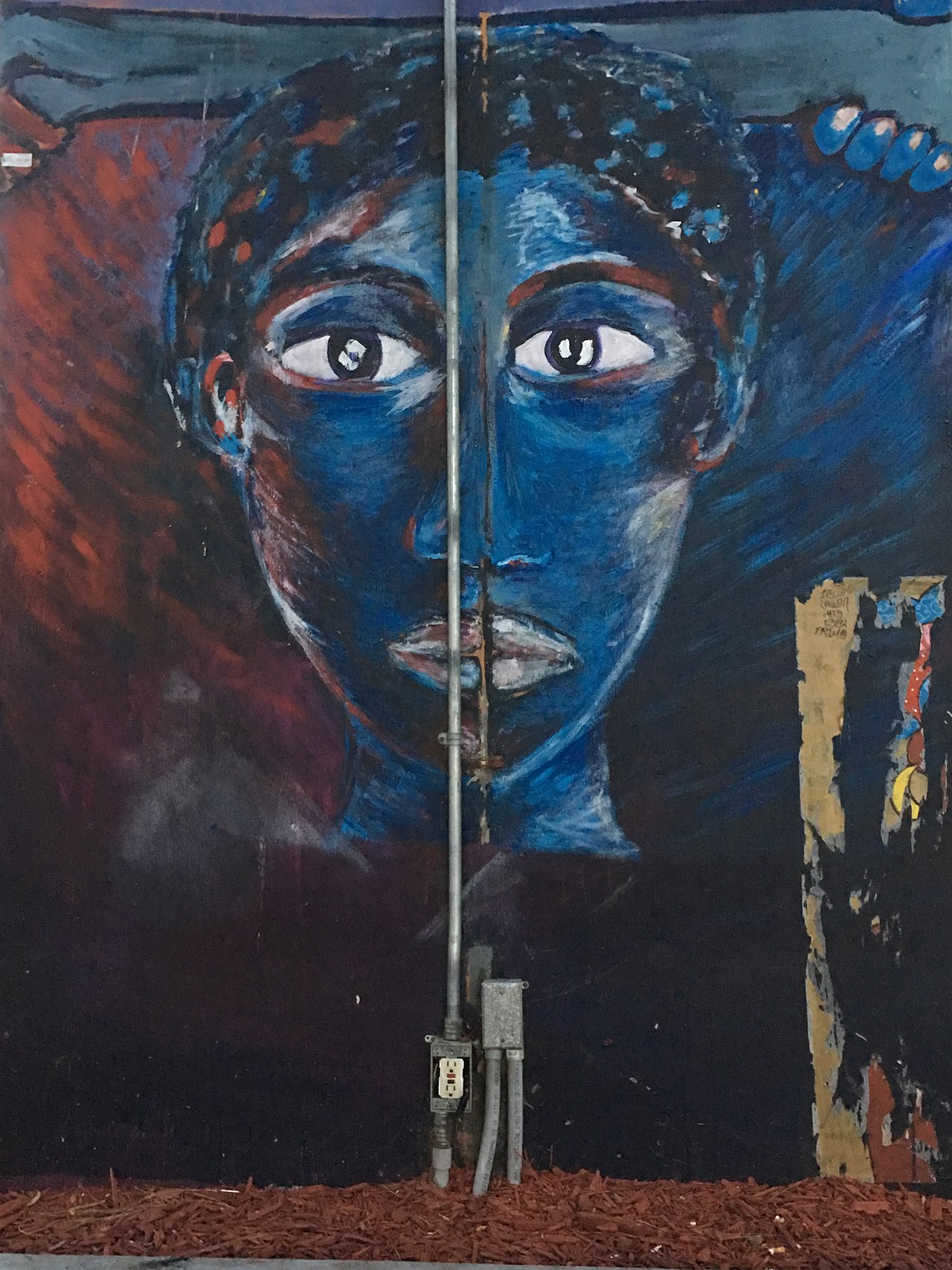
- Muralism, visual arts, and community public art projects.
- Political organizing, labor activism, and educational advocacy.
- Music, film, fashion, and car culture (including lowriding) that blend Mexican and U.S. influences.
Distinctions and contemporary relevance
Not everyone with Mexican ancestry accepts the Chicano label; attitudes differ by age, political outlook, and personal history. Today the term remains meaningful for many who value its emphasis on cultural continuity and social justice, while others opt for alternative identities. Discussions about the word involve questions of language, regional difference, and evolving multicultural identities in the United States.

Political movement
→ Main article: Chicano Movement
The term was taken up and became a fighting term for a distinct political movement with many localities and numerous subgroups representing the concerns of the larger population. Through oppositional political activities, however, it also comes to have a negative connotation among those who strive for the smoothest possible adaptation to the American way of life.
Chicano Cinema
Chicano Cinema is understood to be the entirety of cinematographic production by a director who sees himself as a member of the Chicano community. The resulting films trace the course of the Chicano movement's history of ideas, reflected in the medium of film. This can be understood as a continuum that moves from a pole of resistance and isolation to increased assimilation and rapprochement with Anglo-American culture. The last phase is increasingly accompanied by criticism from the proponents of cultural independence. The change described can be observed both in the thematic and film-aesthetic development of Chicano cinema over the years, in the form of a shift towards the tried and tested strategies or optics of Hollywood cinema.
Related articles
Author
AlegsaOnline.com Chicano: identity, history, and cultural significance Leandro Alegsa
URL: https://en.alegsaonline.com/art/19552