
Human history: scope, methods, and major themes
Survey of human history: its scope from prehistory to today, evidence and methods historians use, major themes and periods, and how it differs from natural history.
Human history is the study of what the human race has done and experienced across time, from the earliest traces of human activity to the present. It examines cultural, political, economic and social change rather than solely biological or geological processes. The field spans the period commonly called prehistory (before written records) through historic eras documented by texts, inscriptions and other records. It is distinct from natural history, which focuses on organisms, environments and physical Earth processes.
Image gallery
10 Images


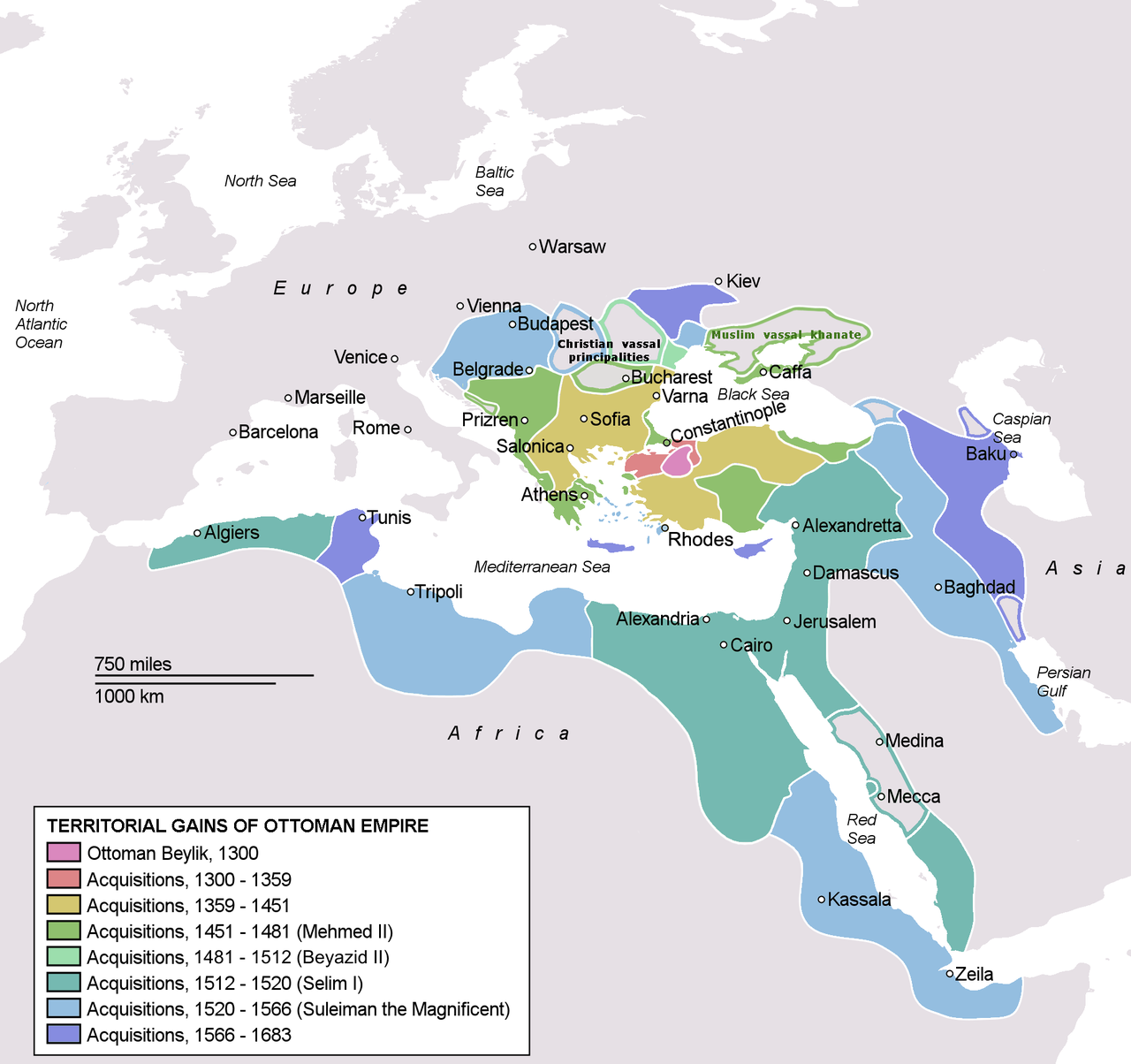
Scope and chronological divisions
Historians often organize the past into broad phases—prehistory, ancient history, medieval or classical/post-classical periods, early modern and modern eras—to make large-scale comparison easier. These divisions vary by region: for example, ‘‘ancient’’ in one area may overlap with ‘‘medieval’’ in another. Period labels are heuristic tools rather than universal boundaries, useful for teaching and synthesis.
Sources and methods
Understanding the past depends on diverse evidence and techniques. Primary sources include written documents, inscriptions, coins and administrative records. Archaeology provides material culture: tools, buildings, burial sites and environmental data. Oral traditions, art, and genetic and isotope studies also contribute. Historians use critical source analysis, comparative methods, dating techniques, and interdisciplinary collaboration to build narratives and test interpretations.
Major themes and examples
- Subsistence and environment: transitions from foraging to agriculture and their demographic effects.
- States and governance: the rise and fall of polities, legal systems and institutions.
- Economies and exchange: trade networks, markets and technological diffusion.
- Belief and identity: religions, languages, social hierarchies and cultural change.
- Conflict and migration: warfare, population movements and diasporas shaping societies.
Historiography and modern practice
Study of human history has evolved from narrative political histories to include social, economic, environmental and global perspectives. Historiography examines how interpretations change with new evidence, theoretical approaches and contemporary concerns. Recent trends emphasize transnational connections, everyday lives, and the environmental consequences of human choices.
Because human history relies on interpretation of often fragmentary evidence, its accounts are revised as methods improve and new discoveries appear. The field remains interdisciplinary, drawing on archaeology, anthropology, linguistics, paleoclimatology and digital tools to construct richer, more nuanced pictures of the human past.
Related articles
Author
AlegsaOnline.com Human history: scope, methods, and major themes Leandro Alegsa
URL: https://en.alegsaonline.com/art/44508
Sources
- doi.org : 10.1073/pnas.96.13.7117
- pubmed.ncbi.nlm.nih.gov : 10377375
- pnas.org : on-line
- anthropology.si.edu : "Human Ancestors Hall: Homo neanderthalensis"
- eobglossary.gsfc.nasa.gov : "Little Ice Age definition"
- geocities.com : "Homeschool Teachers Lounge – Prehistory:The Time Before Writing"
- springerlink.com : Handbook of Paleoanthropology
- books.google.com : Science and Technology in World History: An Introduction
- books.google.com : Pages 6–12
- yale.edu : "Early Man in North America: The Known to the Unknown"
- cas.bellarmine.edu : "The Slow Birth of Agriculture"
- isthmia.osu.edu : ""History 504.02 lecture notes""
- web-japan.org : "Jomon Fantasy: Resketching Japan's Prehistory"
- jomon.or.jp : "'Fakery' at the Beginning, the Ending and the Middle of the Jomon Period"
- mnsu.edu : "MNSU Mesopotamia"