
Middle East: geography, peoples, history and geopolitics
A clear, neutral overview of the Middle East covering its geography, peoples, ancient roots, modern states, economic importance and contemporary political issues.
The Middle East is a transregional area occupying parts of western Asia and northeastern Africa. The term is flexible and has meant different things at different times, but it commonly denotes the lands between Europe and the Far East and includes both coastal and interior zones, long trade corridors and major river valleys. As a cultural crossroads it has influenced — and been shaped by — many civilizations over thousands of years.
Geographically the region is defined in a variety of ways: most modern definitions emphasize the Arabian Peninsula, the eastern Mediterranean littoral and the territory stretching from Egypt toward Iran. The landscape contains extensive deserts, mountain ranges, and fertile river basins such as the Tigris and Euphrates. Important maritime routes and chokepoints connect the region to Europe, Africa and Asia, and climate ranges from arid deserts to temperate coastal belts.
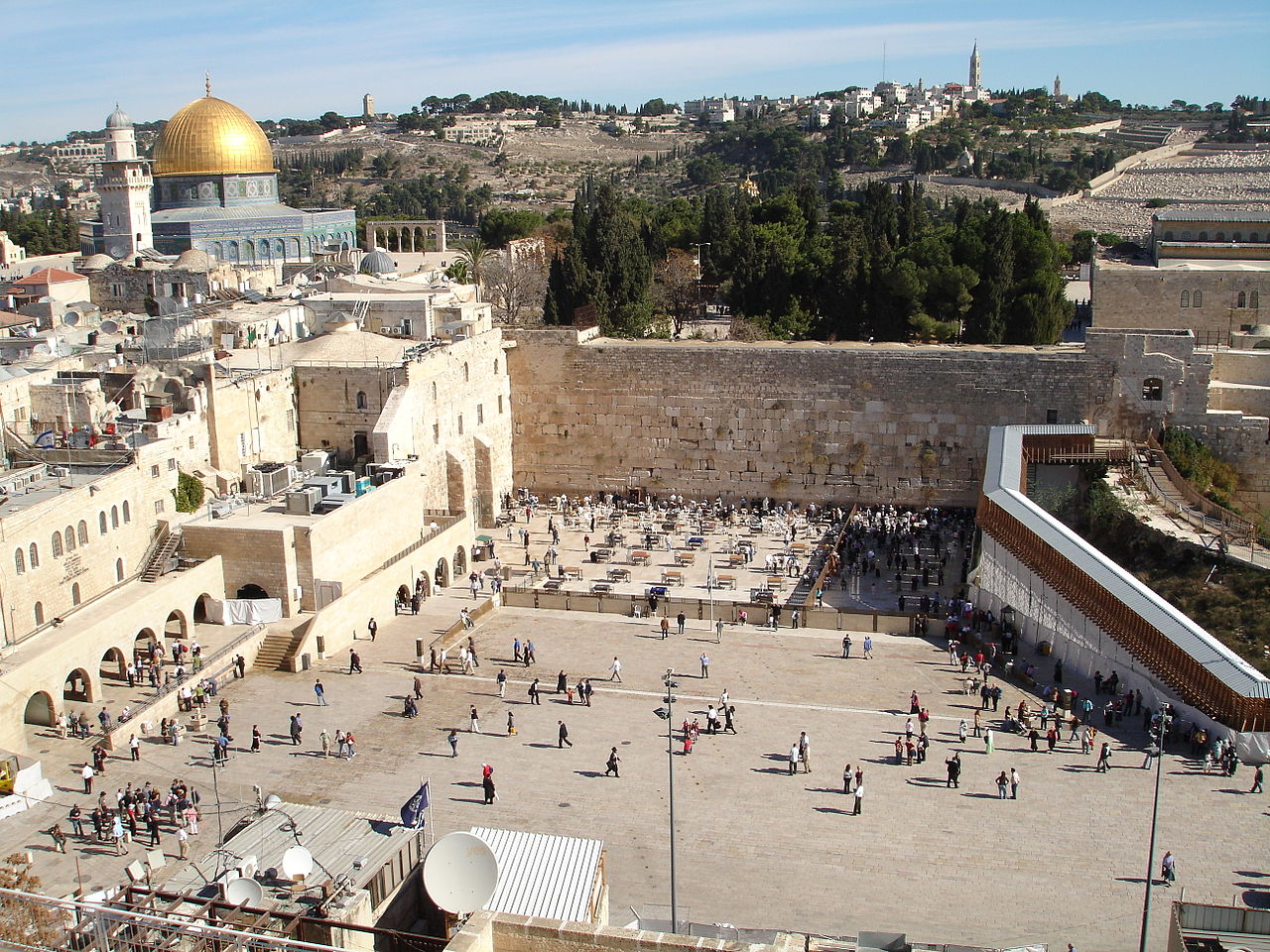
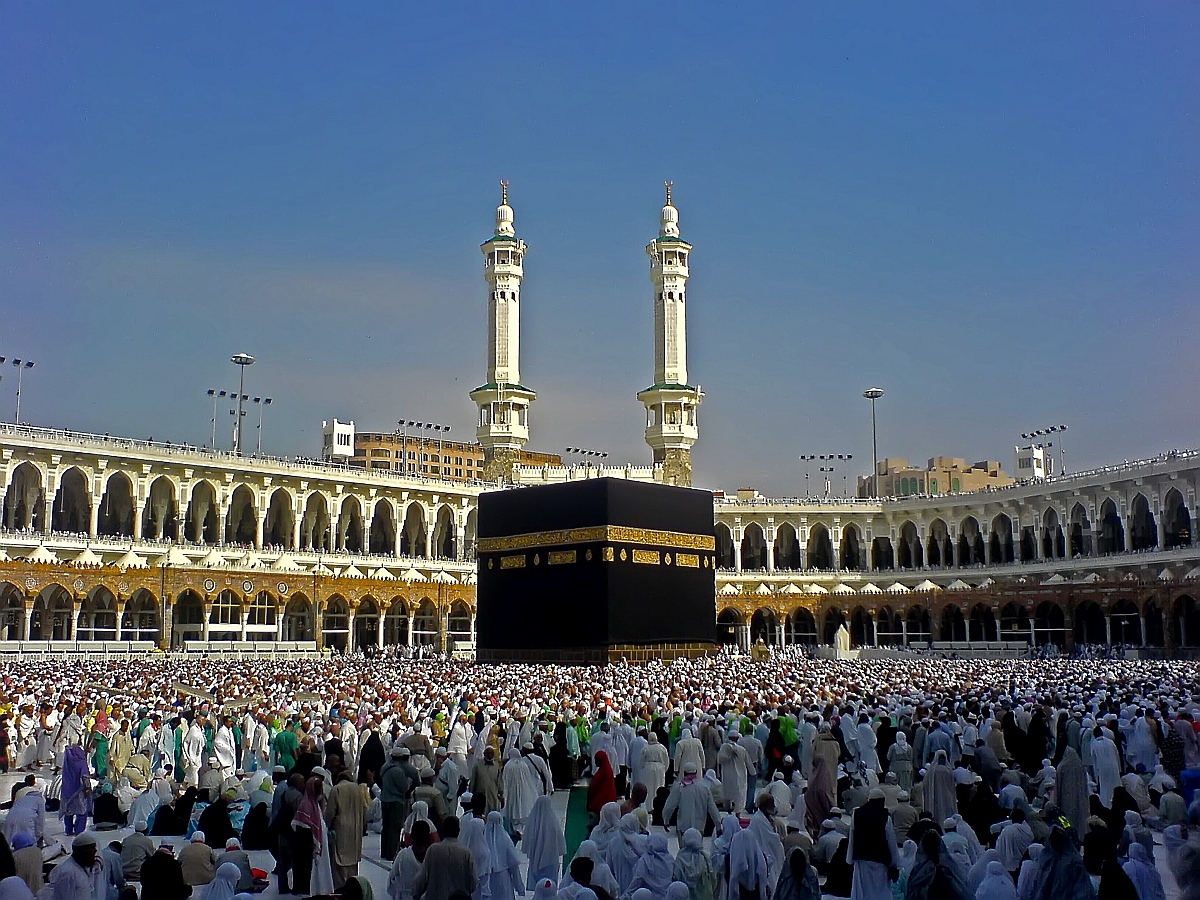
Its inhabitants are ethnically, linguistically and religiously diverse. Large groups include Arabs, Turks, Persians (Iranians), Kurds and Jewish communities, among others. Common languages are Arabic, Persian (Farsi), Turkish and Hebrew, with many local dialects. Islam is the majority religion in most countries, while Christianity and Judaism and smaller faiths also have deep historical roots in the area.
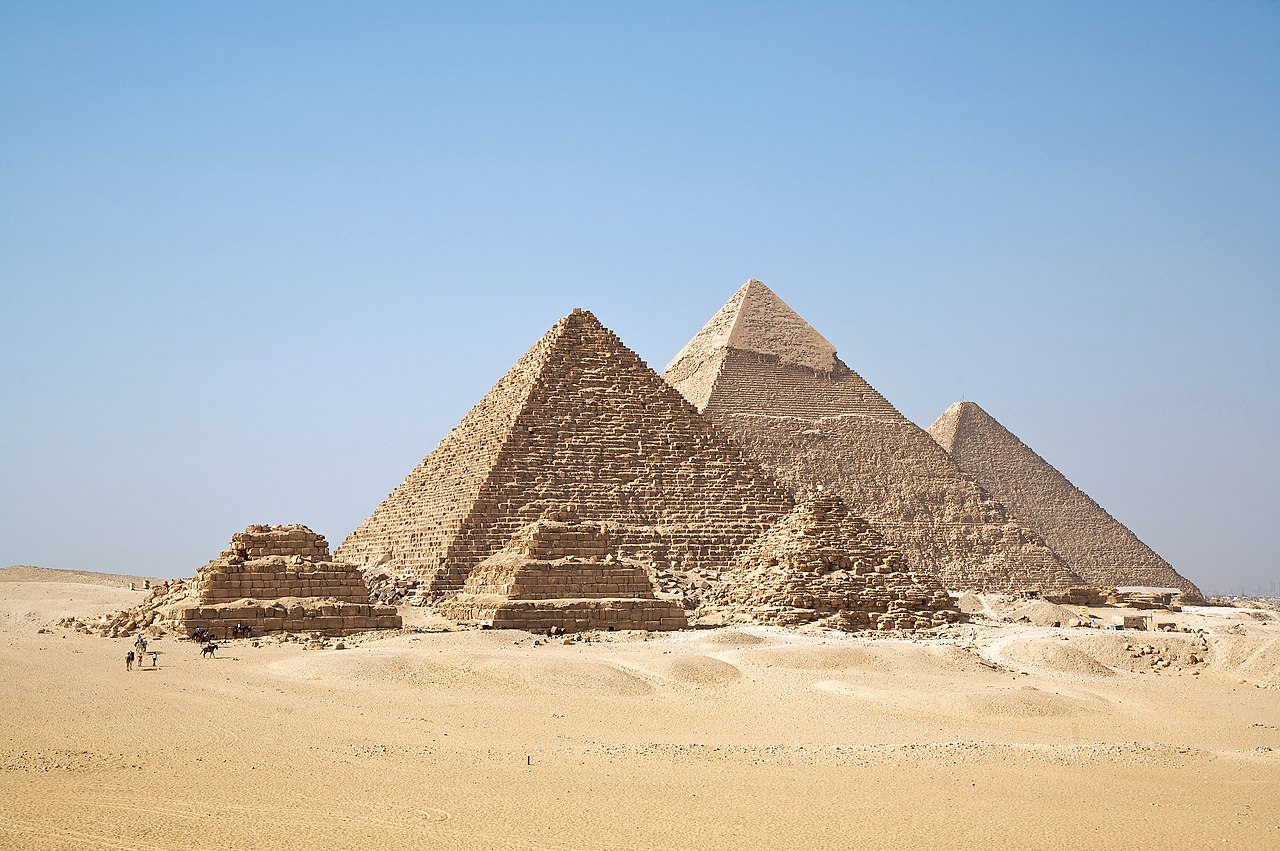
Historically the Middle East contains some of humanity's earliest urban civilizations. The Fertile Crescent and Mesopotamia saw early states and writing systems such as Sumerian, Babylonian and Assyrian cultures. The region is also the birthplace of the Abrahamic religions — Judaism, Christianity and Islam — and later hosted large imperial formations, notably Persian and Ottoman empires. Colonial-era interventions and twentieth-century conflicts led to the formation of the modern system of nation-states.
Today the Middle East has massive strategic and economic significance. Large petroleum reserves underpin many national economies and drive global energy markets. Control of maritime routes and regional infrastructure influences international trade and security. Political life in the region is shaped by state rivalries, sectarian tensions, border disputes and a number of protracted conflicts, all of which have international ramifications.
Definitions and boundaries remain contested: the terms Near East, Middle East and Greater Middle East overlap and are used differently in political, academic and popular contexts. Appreciating the region requires attention to local histories, ethnic and religious identities, state institutions and evolving diplomatic relationships as well as the social and economic changes that affect daily life.
Image gallery
10 Images






Related links
- Eastern Hemisphere
- Arabian Peninsula
- Europe
- Far East
- Saudi Arabia
- Oman
- Yemen
- Bahrain
- Jordan
- Kuwait
- United Arab Emirates
- Iraq
- Syria
- Lebanon
- Palestine
- State of Palestine
- Israel
- Near East
- Indian subcontinent
- Region between Egypt and Iran
- North Africa
- Morocco
- Pakistan
- Greater Middle East
- Ancient history
- Civilizations
- Fertile Crescent
- Sumer
- Babylonia
- Assyria
- Mesopotamia
- Abrahamic religions
- Judaism
- Christianity
- Islam
- 7th century
- Early Muslim conquests
- Roman Empire
- Petroleum
- Sunni
- Shia
- Israeli–Palestinian conflict
- Syrian civil war
Related articles
Author
AlegsaOnline.com Middle East: geography, peoples, history and geopolitics Leandro Alegsa
URL: https://en.alegsaonline.com/art/64674