
Jamestown, Virginia — the first permanent English settlement in North America
Jamestown, founded in 1607 on the James River in Virginia, became the first enduring English colony in what would become the United States. Its story includes early self-government, tobacco, conflict, and archaeology.
Overview
Jamestown is the site of the first enduring English colonial settlement in the territory that later formed the United States. Established in 1607 by colonists sent from London to the region known today as Virginia, the settlement took its name from King James I. The location was a narrow peninsula on the James River, chosen for perceived defensibility and proximity to water for ships and supply lines.
Image gallery
10 Images
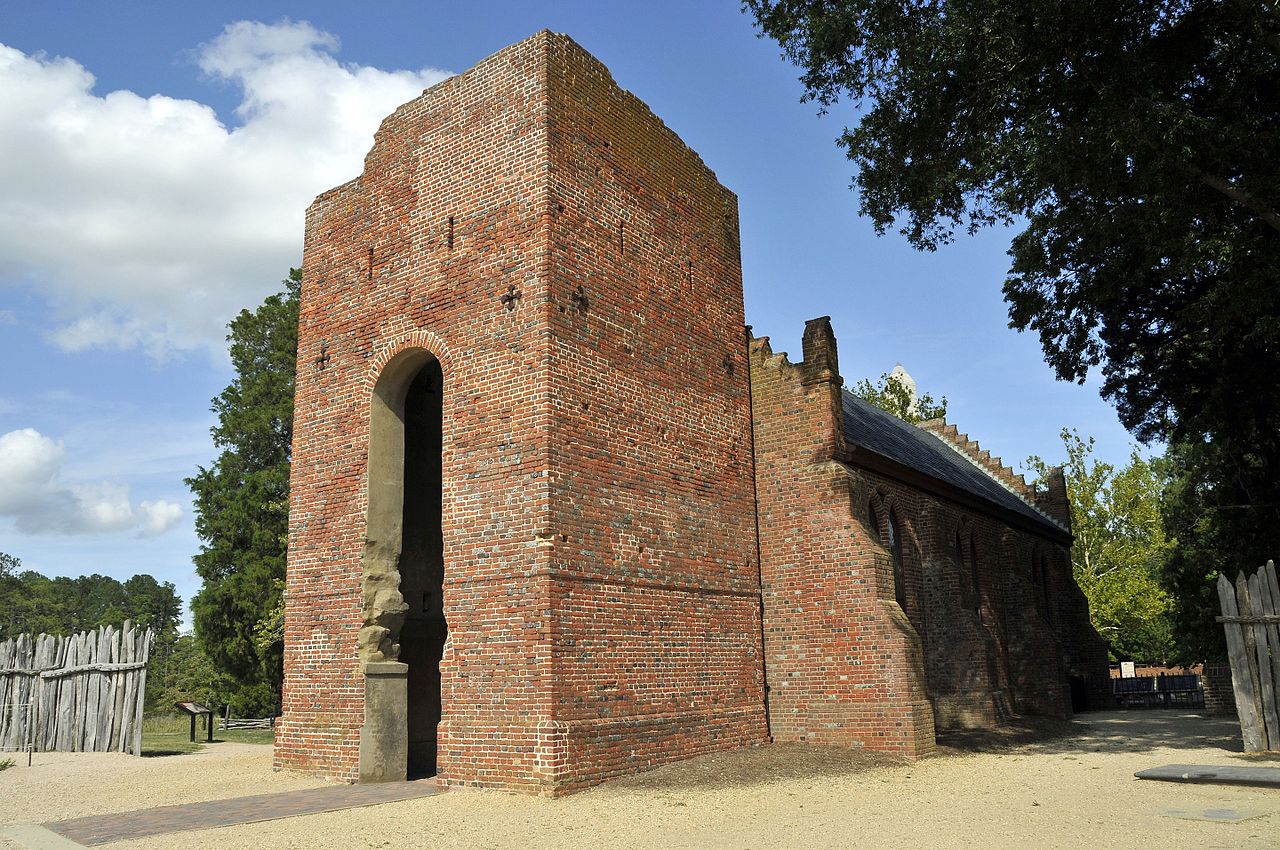


Founding motives and early characteristics
The original colonists, a mix of gentlemen, craftsmen and laborers, arrived with hopes of finding precious metals such as gold and silver and of establishing profitable trade. They built fortifications and a small community on what was then effectively an island-like point. The site was selected in part because local Native American settlements were not located on that point, and its position was intended to guard against rival European powers and other colonists.
Key events and development
Jamestown’s early years were marked by hardship, intermittent famine and violent clashes with neighboring Indigenous peoples. Notable phases include the severe winter known to colonists as the "Starving Time" and the later adoption of tobacco cultivation as a cash crop, which helped secure the colony’s economic survival. Relations with the local Powhatan polity shaped much of the settlement’s early diplomacy and conflict.
Political and social significance
Jamestown played a formative role in early English colonial governance. In 1619 representatives of the colony met in an assembly that is often cited as an early form of English-style representative government in the Americas. The arrival of African laborers and the evolution of plantation agriculture there also foreshadowed important, and later tragic, social and economic systems in British North America.
Legacy and present-day site
Archaeology and preservation efforts at Jamestown have recovered artifacts and foundations that illuminate daily life, commerce and interactions between colonists and Indigenous peoples. Visitors today can explore interpreted sites and museums that present the settlement’s complex legacy: survival and adaptation, contested land, the birth of colonial institutions, and ongoing historical debate. For further reading, see resources linked from institutional sites and local historical organizations.
Notable facts
- Jamestown was one of several early English planting attempts but became the first permanent settlement that endured into the later colonial era.
- Tobacco cultivation transformed the colony’s economy and land use, driving demand for labor and export.
- Interactions with Indigenous polities were central to the colony’s fortunes and remain a critical part of its history.
For more introductory material and archival information, consult regional historical overviews and specialized archaeological reports available through heritage organizations and educational institutions. Additional online links and curated exhibits can provide primary documents and interpretive summaries for readers seeking deeper study.
Relevant links: Jamestown overview, United States context, Virginia, London origins, England, search for precious metals, James River, Native American relations, island site, European rivals, other colonists.
Questions and answers
Q: When was Jamestown founded?
A: Jamestown was founded on May 13, 1607.
Q: Who founded Jamestown?
A: About 100 men, boys, and women who came to Virginia from London, England founded Jamestown.
Q: Why was the town named Jamestown?
A: The town was named Jamestown after King James.
Q: What did the men who founded Jamestown hope to find there?
A: The men who founded Jamestown hoped to find gold and silver in order to become rich.
Q: What was Jamestown?
A: Jamestown was the first permanent English settlement in what would become the United States.
Q: Where was Jamestown located?
A: Jamestown was built on Jamestown Island along the James River.
Q: Why was Jamestown built on its particular location?
A: Jamestown was built on its particular location on Jamestown Island because the local Native American tribes did not live there, and it was a good place to defend themselves from other European colonists, as it was built on a peninsula.
Related articles
Author
AlegsaOnline.com Jamestown, Virginia — the first permanent English settlement in North America Leandro Alegsa
URL: https://en.alegsaonline.com/art/49310
Sources
- history.com : "1607 Jamestown settlers arrive"
- virginiaplaces.org : "Jamestown - Why There?"
- mrsnow.org : "North America before Jamestown"
- sciway.net : "History of Parris Island, South Carolina – Including Charlesfort and Santa Elena"
- history.com : "Jamestown Colony"
- gilderlehrman.org : "Jamestown and the Founding of English America"
- encyclopediavirginia.org : "Early Jamestown Settlement"
- bishop.jmstanton.com : "Colonization: The First English Colonies"
- nytimes.com : New York Times