
England
England is a country on the island of Great Britain, part of the United Kingdom. It has a long history, diverse landscape, major cities including London, and cultural and economic influence worldwide.
Overview: England is a country located on the island of Great Britain in north‑western Europe. It forms part of the United Kingdom together with Scotland, Wales and Northern Ireland. Collectively these four nations sit within the British Isles and are members of the sovereign state often referred to as the United Kingdom. England is the largest of the four in both population and economy; mid‑2010s estimates put its population at over 55 million. The country's capital is London, the seat of government and its largest urban area; the term capital city often denotes the political and financial hub.
Image gallery
10 Images


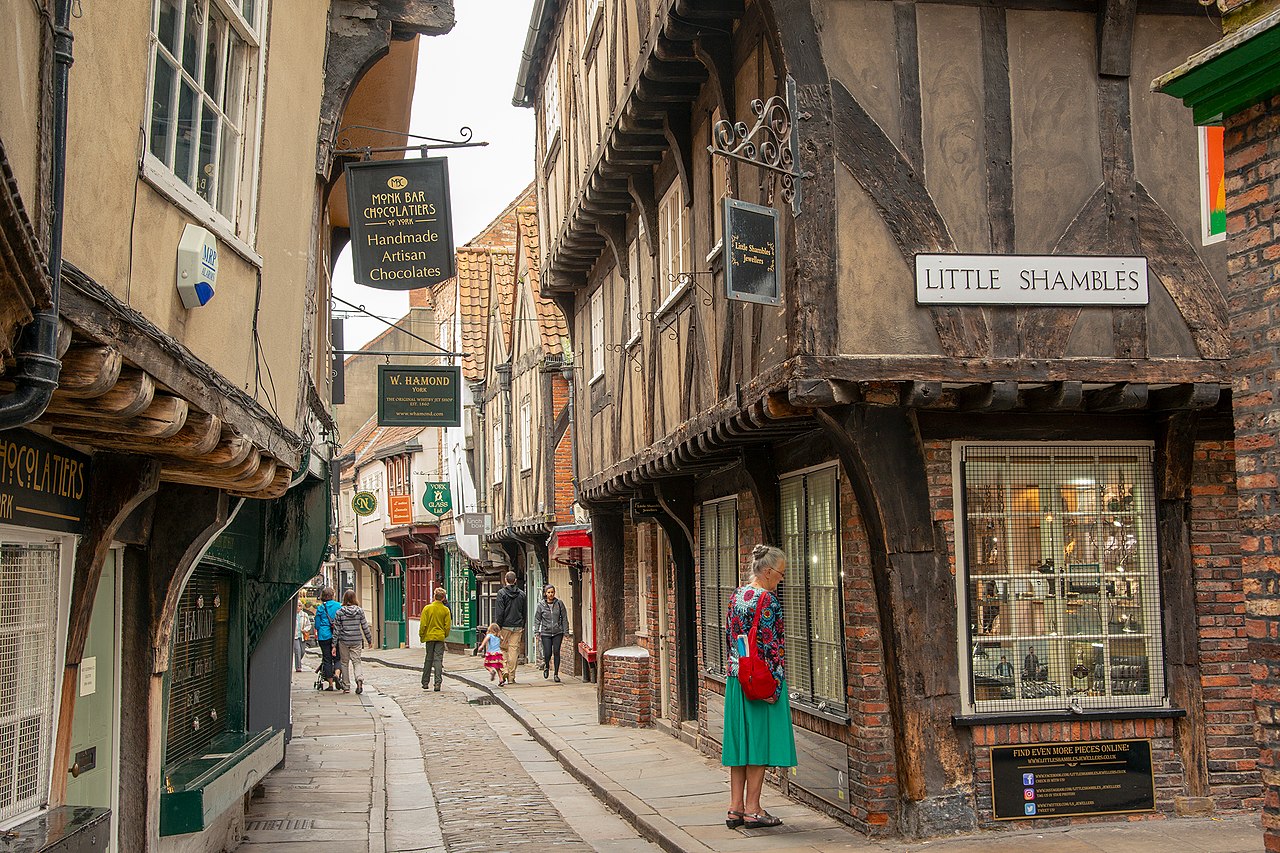


Geography and settlement
England occupies the central and southern portion of Great Britain. It shares land boundaries to the north and west with Scotland and Wales, and is otherwise surrounded by the North Sea, the English Channel and the Irish Sea. The landscape ranges from lowland plains and rolling hills to upland moors and coastal cliffs. Major rivers such as the Thames flow through important population centres, including London, and helped shape settlement and trade patterns over centuries.
History and development
Human habitation in the area now called England goes back thousands of years. The region experienced waves of cultural and political change, including Roman rule, the arrival of Anglo‑Saxon kingdoms, and the Norman conquest of 1066 which significantly altered language, governance and landholding. During the 18th and 19th centuries England was at the heart of the Industrial Revolution, which transformed agriculture, manufacturing and transport and contributed to urban growth. Over time England's institutions—law, commerce and parliamentary government—exerted influence far beyond its shores.
Government, law and institutions
England is governed within the constitutional framework of the United Kingdom. The UK Parliament sits at Westminster in London and makes laws for the whole UK as well as for England in areas not devolved to other nations. England itself does not have a devolved parliament separate from Westminster. Its legal system forms a major part of the common law tradition used in many countries around the world.
Cities, economy and culture
England contains many cities and towns, with a diverse economy spanning finance, manufacturing, technology, creative industries and services. Notable cities include:
- London — the political, cultural and financial centre.
- Birmingham — a major industrial and commercial city in the Midlands.
- Liverpool — a historic port and cultural centre.
- Manchester — known for industry, music and higher education.
- Leeds — an important commercial and legal hub in the north.
England's cultural influence includes the English language, literature, music, higher education institutions such as Oxford and Cambridge, and popular pastimes like association football. Its transport networks, ports and media also contribute to its role in international commerce and communication.
Symbols and identity
Several traditional symbols are associated with England. The national flag is the red cross of Saint George on a white field, commonly called the St George's Cross. Other emblems include the red rose and the historic motif of three lions; these symbols appear in sport, civic heraldry and cultural events. England's identity is shaped by regional diversity, historic institutions and contemporary civic life.
Notable distinctions and facts
England has played a prominent role in world history, from early modern maritime exploration and empire to the spread of industrial techniques and legal traditions. It remains an influential centre for finance, education and culture while also being a place of regional variation — from rural counties to dense metropolitan areas. For further general reference see information on the four nations or background sources linked to regional entries such as patron saints and national emblems like the red rose.
For additional reading and resources consult general guides and authoritative references: Europe overview, British Isles geography, and institutional pages for UK government and major cities listed above. See also cultural and historical entries for deeper context about England's development and global connections.
Questions and answers
Q: What countries make up the United Kingdom?
A: The United Kingdom is made up of England, Scotland, Wales and Northern Ireland.
Q: How many people live in England (2015 estimate)?
A: Over 55 million people live in England (2015 estimate).
Q: What is the capital city of England?
A: The capital city of England is London.
Q: What are some other large cities in England?
A: Other large cities in England are Birmingham, Liverpool, Manchester and Leeds.
Q: What does the English flag look like?
A: The English flag is a red cross on a white background. This cross is the cross of Saint George, who is the patron saint of England.
Q: Are there any other symbols associated with England? A: Yes, some other symbols used for England are a red rose and three lions.
Tags
Related articles
Author
AlegsaOnline.com England Leandro Alegsa
URL: https://en.alegsaonline.com/art/31453
Sources
- neighbourhood.statistics.gov.uk : "Population Estimates by Ethnic Group (experimental)"
- ons.gov.uk : "Population estimates for UK, England and Wales, Scotland and Northern Ireland"