
Roaring Twenties
The Roaring Twenties (1920s) was a decade of rapid social, cultural, and economic change—marked by jazz, consumerism, Prohibition, modernist art, and ending with the 1929 crash.
Overview
The term "Roaring Twenties" refers to the 1920s, a decade characterized by rapid social and cultural change, particularly in the United States and other parts of North America. It evokes energetic nightlife, new kinds of entertainment and fashion, and a sense of modernity that reshaped everyday life.
Image gallery
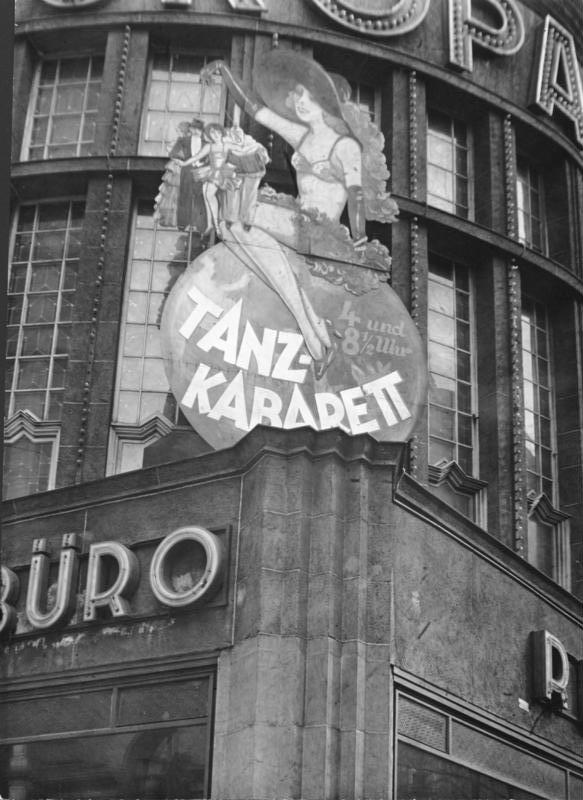
10 Images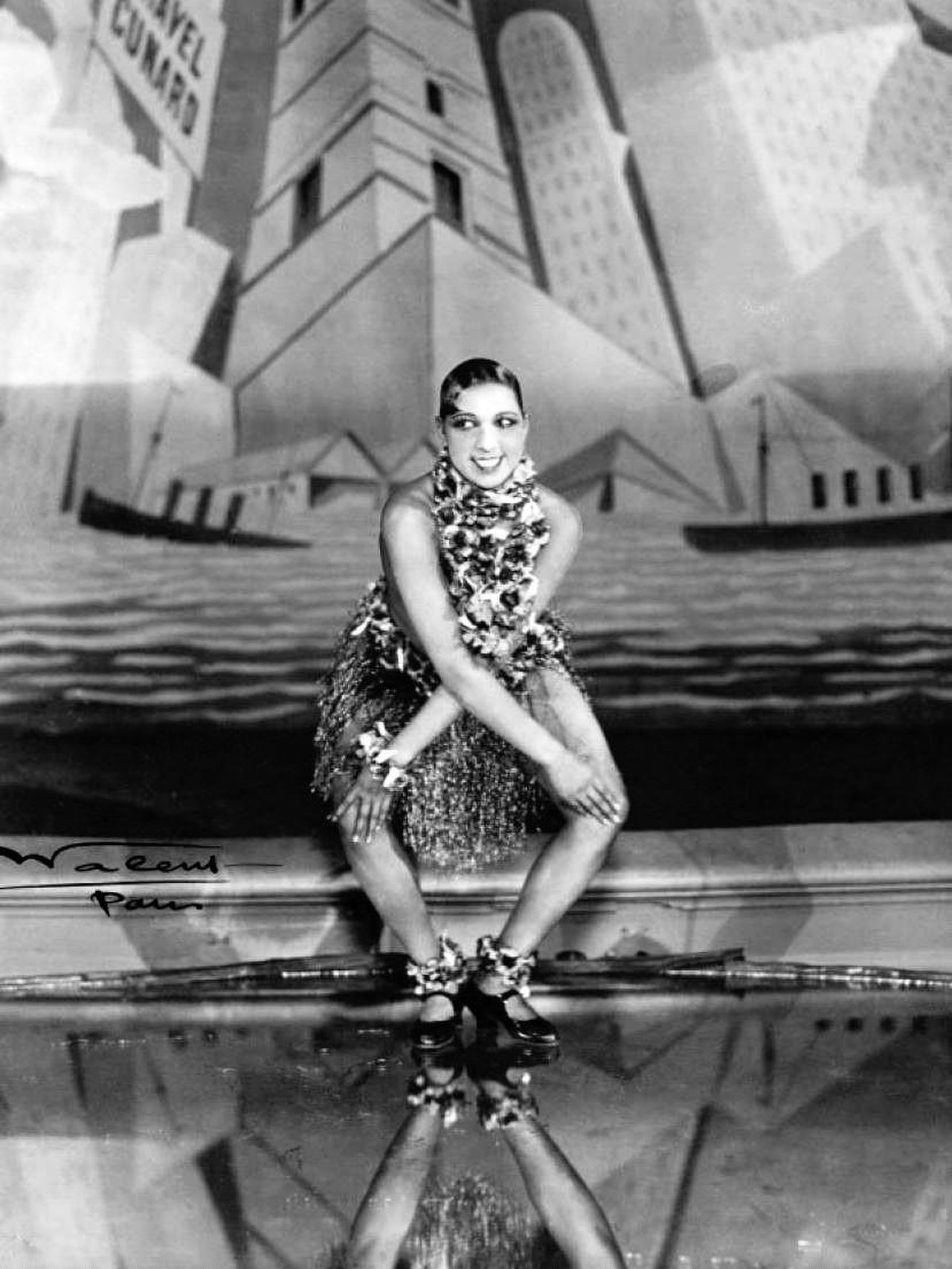



Social and cultural characteristics
Urban life expanded as radios, movies and automobiles became common. Young people challenged previous social norms: women adopted shorter hairstyles and looser clothing and were more visible in public life. Jazz music, dance halls and nightclubs became prominent, creating new social scenes and accelerating cultural exchange.
Arts, literature and design
Creativity in literature, visual art and music flourished. The decade saw modernist experimentation in writing, a popular explosion of jazz and dance music, and the spread of distinctive visual styles such as Art Deco. These developments transformed entertainment and tastes across cities and small towns alike. For more on the period's artistic changes see arts and culture.
Economy, technology and daily life
Mass production, widespread electrification and consumer credit expanded access to new goods. The automobile altered patterns of work and leisure, while advertising and department stores helped create a mass consumer culture. Rapid economic growth for parts of the population coexisted with speculative investment in stocks and uneven prosperity; these economic dynamics contributed to the decade's dramatic end. Related economic themes are discussed at economic context.
Movements, politics and Prohibition
The 1920s featured both reform and conflict. Prohibition—enforced by law in the United States—shaped nightlife and contributed to the rise of organized crime and clandestine drinking establishments. At the same time, social movements advanced civil rights and new thinking about gender roles. Cultural renaissances in cities such as Harlem produced lasting achievements in music, poetry and intellectual life; see society and community for more.
Legacy and conclusion
The Roaring Twenties left a mixed legacy: many social freedoms, innovations in art and mass culture, and new consumer habits. The era's optimism was curtailed by the financial collapse of 1929 and the onset of the Great Depression, which transformed economies and politics worldwide. Historians view the decade as a pivotal moment when modern popular culture and mass consumption began to take shape.
- Notable features: jazz, flappers, radio, cinema, automobiles, Art Deco.
- Important developments: urbanization, mass production, stock-market speculation, Prohibition.
- End of the era: the 1929 crash that preceded the Great Depression.
Questions and answers
Q: What does the phrase "Roaring Twenties" refer to?
A: The phrase Roaring Twenties describes the 1920s, a time in North America when art, society, and culture were rapidly changing.
Q: Why is the term "Roaring" used to describe the 1920s?
A: The term 'Roaring' applies here, as art, society, and culture were rapidly improving and therefore 'Roaring'.
Q: What was the status of Prohibition during the Roaring Twenties?
A: Prohibition was in place during the Roaring Twenties.
Q: How did Prohibition affect North America during the Roaring Twenties?
A: Prohibition made North America a very 'wise' and 'clean-cut' place to be during the Roaring Twenties.
Q: What was rapidly improving during the Roaring Twenties?
A: Art, society, and culture were rapidly improving during the Roaring Twenties.
Q: How was North America during the Roaring Twenties?
A: North America during the Roaring Twenties was a place where art, society, and culture were rapidly improving, and Prohibition was in place making it a very 'wise' and 'clean-cut' place to be.
Q: When did the Roaring Twenties take place?
A: The Roaring Twenties took place in the 1920s.
Related articles
Author
AlegsaOnline.com Roaring Twenties Leandro Alegsa
URL: https://en.alegsaonline.com/art/83234