
George Washington
George Washington (1732–1799) was a military leader, statesman, and the first President of the United States who shaped early national institutions and set enduring precedents.
George Washington (February 22, 1732 – December 14, 1799) was a central figure in the founding of the United States. He led the Continental Army to victory, presided over the Constitutional Convention, and served two terms as the nation's first President from 1789 to 1797. His public career combined military command, political leadership, and an emphasis on republican institutions that influenced the new republic's character.
Image gallery
10 Images


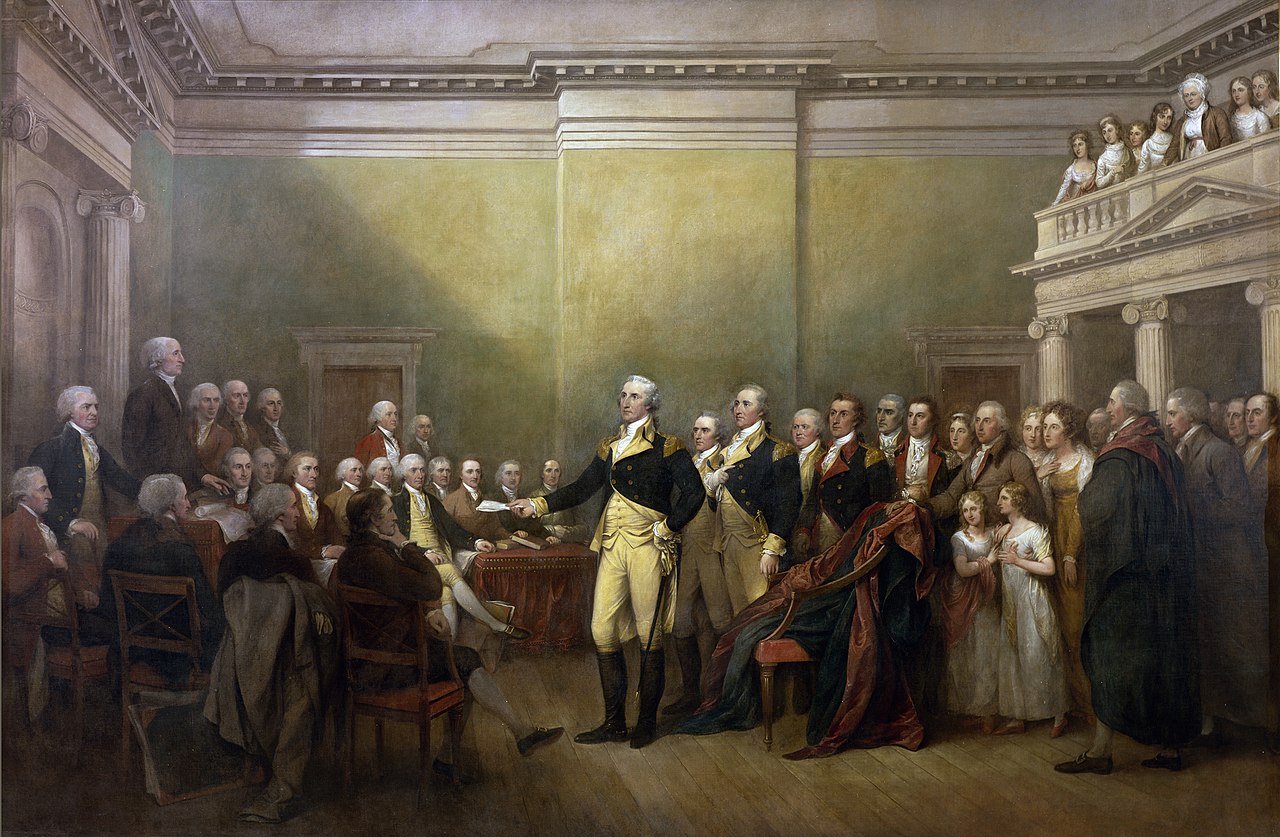


Early life and background
Born into a Virginia planter family, Washington gained experience in colonial militia service as a young man and later managed the Mount Vernon estate. His upbringing and landholding placed him among the Virginia gentry, and his practical skills in surveying, farming, and estate management shaped his public persona. Like many leaders of his era, Washington was a slaveholder; his relationship to slavery and views on gradual emancipation evolved over time.
Military leadership
Washington is best known for his role as commander in chief of the Continental Army during the American Revolutionary War. He organized a fragmented force into a resilient army, endured long winters and supply shortages, and employed strategic retreats and perseverance to sustain the war effort. His leadership combined personal endurance, attention to logistics, and an ability to inspire loyalty among diverse officers and soldiers.
Presidency and statesmanship
After the Revolution, Washington presided over the 1787 Constitutional Convention and then accepted election as the country's first President. During his two terms he established many practices—regular cabinet meetings, a neutral stance in foreign conflicts, and a peaceful transfer and limitation of power by leaving office after two terms—that became precedents for later administrations. His Farewell Address warned against permanent foreign entanglements and excessive party factionalism, themes that influenced American political discourse.
Legacy and notable facts
- Often called one of the nation's Founding Fathers, Washington appears on the U.S. one-dollar bill and the quarter and is commemorated by monuments and place names.
- He is remembered for setting institutional precedents as the first President and for presiding over the creation of a federal government under the Constitution.
- His role in founding civic rituals and symbols helped shape American national identity.
For more on Washington's life and influence, see entries and collections of primary documents compiled by historical projects and museums. He remains a widely studied figure for his combination of military service, political leadership, and the complex moral and social context of his era, including the realities of slavery and social hierarchy in 18th-century America. Additional resources discuss his place among the Founding Fathers and the evolving interpretations of his legacy.
Questions and answers
Q: Who was George Washington?
A: George Washington was the first president of the United States from 1789 to 1797.
Q: What did George Washington do before becoming the president?
A: Before becoming the president, George Washington was the commander in chief of the Continental Army during the American Revolutionary War.
Q: When was George Washington born?
A: George Washington was born on February 22, 1732.
Q: When did George Washington pass away?
A: George Washington passed away on December 14, 1799.
Q: Was George Washington one of the Founding Fathers of the United States?
A: Yes, George Washington was one of the Founding Fathers of the United States.
Q: What was the role of George Washington during the American Revolutionary War?
A: During the American Revolutionary War, George Washington served as the commander in chief of the Continental Army.
Q: How long did George Washington serve as the president of the United States?
A: George Washington served as the president of the United States for 8 years, from 1789 to 1797.
Related articles
Author
AlegsaOnline.com George Washington Leandro Alegsa
URL: https://en.alegsaonline.com/art/119666
Sources
- George Washington
- whitehouse.gov : Washington's White House biography