
Donald Trump: businessman, media figure, and 45th U.S. president
Overview of Donald J. Trump, his business and media career, presidential term (2017–2021), major policies and controversies, impeachment episodes, the 2020 election, and ongoing influence.
Overview
Donald J. Trump (born June 14, 1946) is an American businessman, television personality, and politician who served as the 45th president of the United States from 2017 to 2021. He is widely known for a high-profile real estate career, branding ventures, and a prominent presence in mass media. Trump's political rise upended established party politics in the United States, and his presidency and post-presidential activities have continued to attract intense public attention around policy, governance style, and legal matters.
Image gallery
10 Images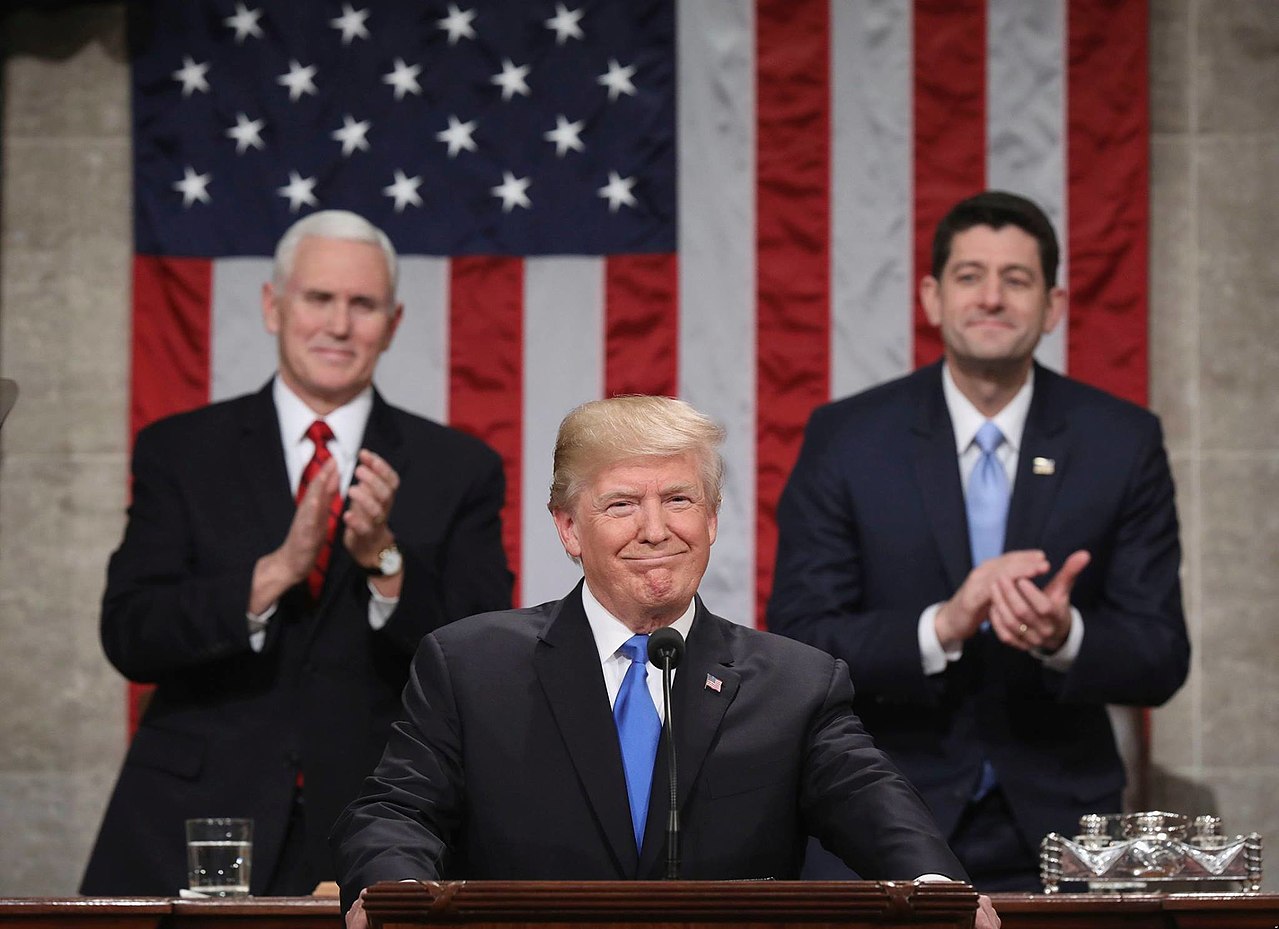





Business and media career
Before entering electoral politics, Trump was active for decades in real estate development, principally through The Trump Organization, where he held executive leadership roles. He built, renovated, and marketed residential towers, hotels, casinos, and office buildings in New York City and other U.S. cities, and licensed his name for a variety of commercial uses. Trump also owned or had business ties to entertainment properties and beauty pageants, and he became a national celebrity as the host of the reality television program The Apprentice, which reinforced his public image as a dealmaker and brand.
Political rise and presidency (2015–2021)
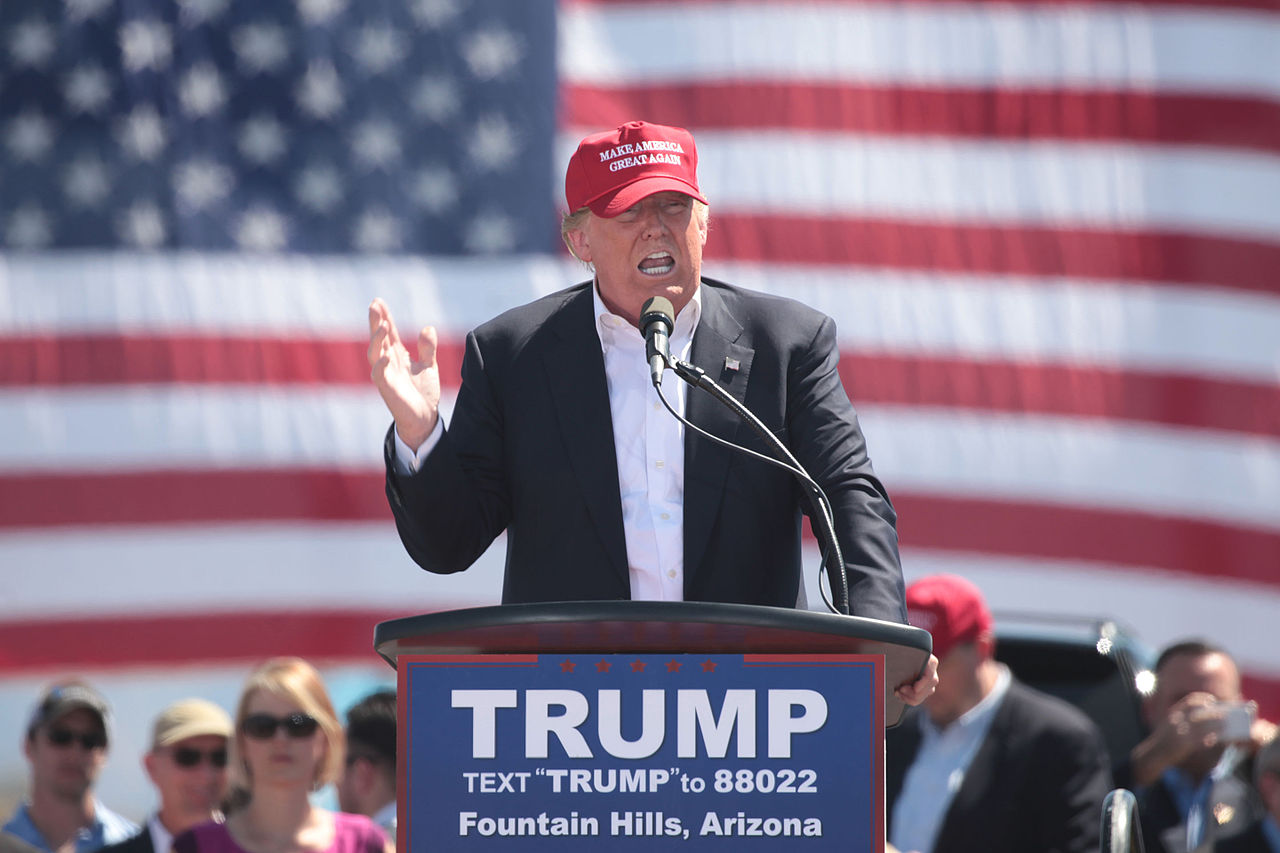
Trump announced a campaign for the Republican presidential nomination in 2015 and secured his party's nomination in 2016. Running as an outsider who promised to shake up Washington, he defeated the Democratic nominee and took office in January 2017. His administration prioritized tax reform, deregulation, criminal justice reform measures, conservative judicial appointments, and an "America First" foreign policy that emphasized bilateral trade negotiations, pressure on allies to increase defense spending, and a tougher stance on immigration.
Major events, policies, and institutions
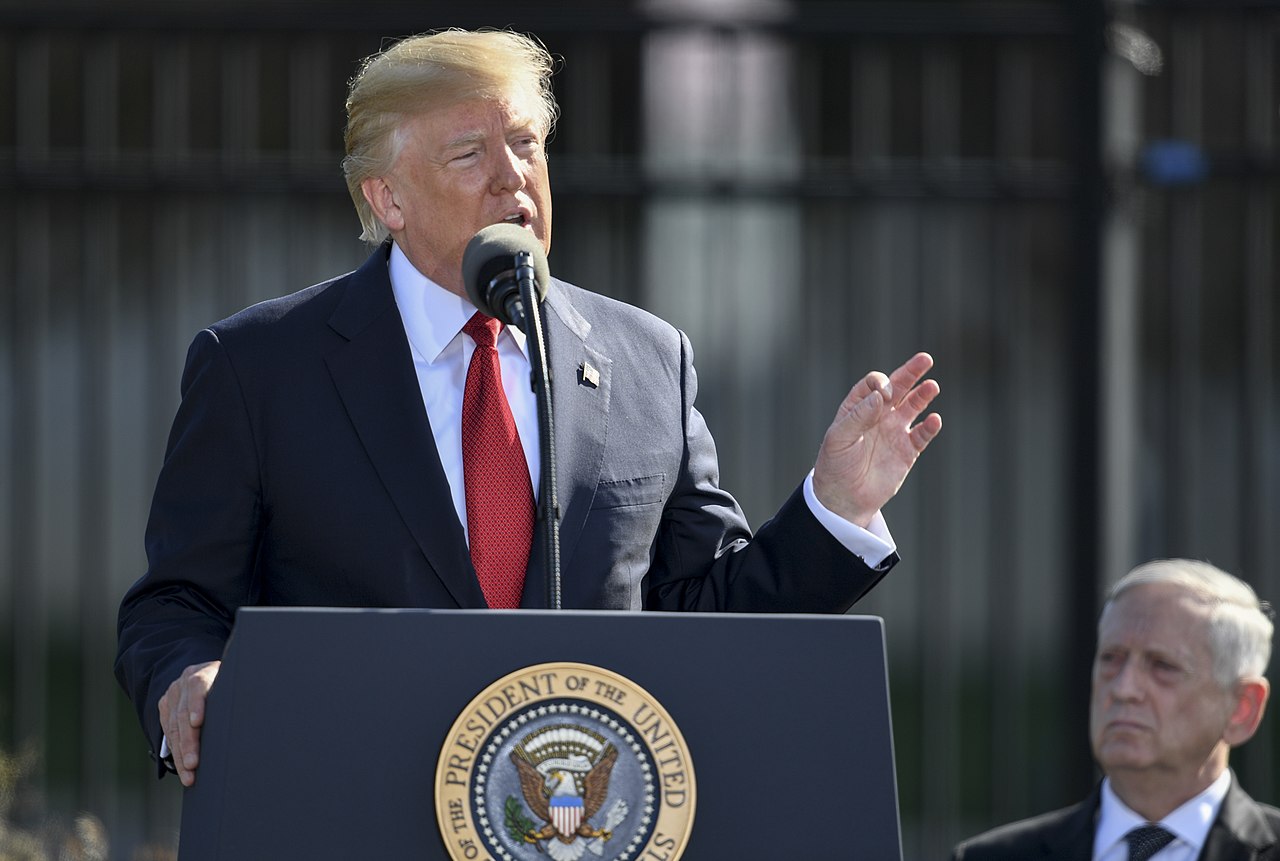
During his term, the administration enacted a significant tax bill, shifted regulatory policy across several federal agencies, and appointed federal judges including Supreme Court justices. Trump also pursued trade renegotiations and engaged in direct diplomacy with leaders from several countries. His approach to governance was marked by unorthodox communication through social media and frequent public criticism of institutions and media outlets that he said opposed his agenda.
Controversies, impeachments, and the 2020 election
Trump's presidency was accompanied by multiple controversies and investigations. He was impeached twice by the House of Representatives: first in late 2019 and again in early 2021. In both cases the Senate did not convict. In the 2020 presidential election he was defeated by the Democratic nominee, and his refusal to accept the result led to legal challenges and public disputes over election procedures. In January 2021, a violent breach of the U.S. Capitol by some supporters occurred during the certification of the electoral vote; the event prompted additional scrutiny and led to the second impeachment.
Legacy and post-presidential influence
After leaving office, Trump remained a central figure in American politics and within the Republican Party. He continued to hold large public events, endorse candidates, and influence policy debates. His style and policy positions have reshaped political discourse on immigration, trade, judicial appointments, and the role of executive power. Public opinion about his impact is intensely divided, and his legal, financial, and political affairs have continued to generate news and legal proceedings.
External links and further reading
- Business profile and background
- Media and television career overview
- Presidential biography and timeline
- The Trump Organization overview
- Major real estate projects in New York
- Business activities in Las Vegas
- Atlantic City and casino developments
- Miss Universe and pageant holdings
- The Apprentice television program
- Residency and official domicile changes
- New York connections and activities
- Florida residency and post-presidential base
- 2016 presidential campaign
- Public opinion and polling during campaigns
- Primary and nomination process
- Notable primary opponents
- Reactions from political figures
- Immigration policy debates
- Campaign organization and messaging
- Support demographics and coalitions
- Opposition from Democratic leaders
- Intraparty criticism and divisions
- Business community responses
- International reactions
- Religious leaders and responses
- 2016 general election opponent
- Opponents with prior government roles
- Campaign history of notable contenders
- Electoral College and election mechanics
- Inauguration and transfer of power
- Congressional leadership and oversight
- Statements by legislative leaders
- Role of the House of Representatives
- Impeachment inquiry processes
- Legal terms and alleged misconduct
- Investigations and legal proceedings
- Articles of impeachment and votes
- 2020 election opponent
- 2020 transition and election outcome
- Overview of the 2020 election
- Historical context for incumbents
- Post-election litigation and filings
- State election officials and certification
- Events at the U.S. Capitol on January 6
- Senate role in impeachment trials
- Senate acquittal and final outcomes
Questions and answers
Q: What is Donald Trump's profession?
A: Donald Trump is an American businessman, media personality and politician. He was the 45th president of the United States from 2017 to 2021.
Q: How did Trump make his money?
A: Much of his money was made in real estate in New York City, Las Vegas, and Atlantic City. He also used to own the Miss Universe pageant and starred in his own reality show The Apprentice.
Q: When did Trump announce he would run for President?
A: In June 2015, Trump said that he would run for President of the United States in the 2016 presidential election.
Q: Who was Trump running against in the general election?
A: In the general election, Trump ran against Democrat Hillary Clinton (former Secretary of State, U.S. Senator, and First Lady of the United States).
Q: When did Speaker Nancy Pelosi start an impeachment inquiry into Trump?
A: On September 24, 2019, Speaker of the House Nancy Pelosi said that the House of Representatives would start an impeachment inquiry into Trump.
Q: How many people died during a riot at Capitol Hill caused by supporters of Donald Trump?
A: Five people died during a riot at Capitol Hill caused by supporters of Donald Trump on January 6th 2021.
Q: Was Donald trump acquitted after being impeached twice?
A: Yes, Donald trump was acquitted by Senate after being impeached twice in February 2020 and January 2021 respectively .
Related articles
Author
AlegsaOnline.com Donald Trump: businessman, media figure, and 45th U.S. president Leandro Alegsa
URL: https://en.alegsaonline.com/art/117812
Sources
- heavy.com : "Fred Trump: 5 Fast Facts You Need to Know"
- newyorker.com : "Donald Trump's Immigrant Mother"
- forbes.com : "The World's Billionaires – #324 Donald Trump"
- lasvegassun.com : "Trump's ventures have long fueled business, controversy in Nevada"
- businessinsider.com : "Donald Trump just sold off the entire Miss Universe Organization after buying it 3 days ago"
- nytimes.com : "As 'The Apprentice' Returns to TV, Trump Stands to Profit"
- politico.com : "Trump, a symbol of New York, is officially a Floridian now"
- time.com : "Pope Francis Slams Donald Trump's Notions of 'Radical Islam'"
- cnn.com : "Primary results: Donald Trump becomes presumptive nominee"
- cnn.com : "John Kasich drops out of presidential race"
- cnn.com : "What is the Electoral College and why is 270 important?"
- nytimes.com : "A Historic Number of Electors Defected, and Most Were Supposed to Vote for Clinton"
- bbc.co.uk : "Trump impeachment: House votes to formalise inquiry"
- washingtonpost.com : "Democrats accuse Trump of criminal bribery, wire fraud in report that explains articles of impeachment"
- nytimes.com : "Trump Impeachment Vote Live Updates: House Votes to Impeach Trump for Abuse of Power"