
Orc: Mythical Origins, Literary Development, and Modern Fantasy
Orcs are legendary creatures found in classical myth, medieval folklore and modern fantasy literature. This article outlines origins, key portrayals, physical traits, and cultural influence.
Overview
The term orc refers broadly to a class of monstrous beings that appear in a variety of European traditions and later in modern fantasy. Early references frame orcs as sea monsters, demons or giants; in the 20th century the word became widely identified with the humanoid soldiers of evil in high fantasy. For a general reference to the category as a legendary being, see mythical creature.
Image gallery
10 Images




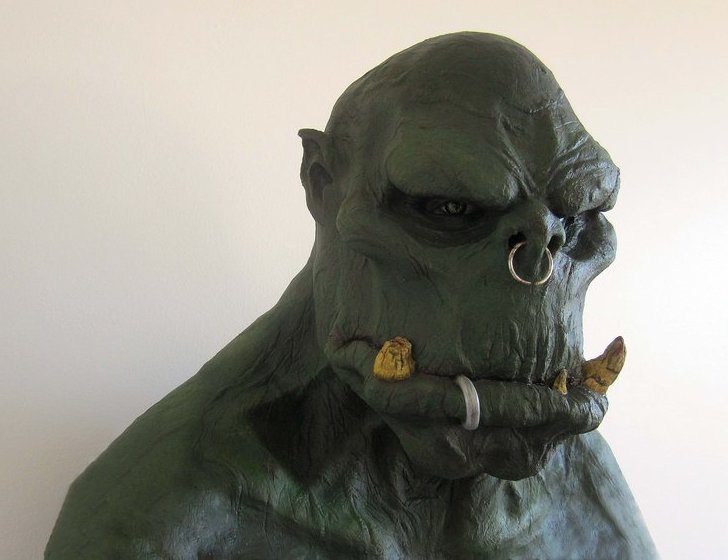


Classical and medieval roots
Several threads feed into the orc tradition. Scholars commonly link the name to Orcus, an Italic name for an underworld deity associated with death and the afterlife, connected in turn to the Roman view of the underworld and sometimes to Hades. Classical authors like Pliny the Elder described long-toothed sea monsters in coastal natural histories, and later medieval and Renaissance poets adapted similar figures into narrative poems and romances.
Literary developments
Renaissance epics such as Ludovico Ariosto's Orlando Furioso feature at least two distinct beings called an orc: a ravenous sea-monster that captures a princess and a monstrous giant who abducts kings and cannot be defeated by force. The Latin name for the killer whale, Orcinus orca, preserves this linguistic line. Details of these accounts appear in the romance tradition and in translations and commentaries over the centuries; see a discussion of the sea-monster episode in Orlando Furioso and the giant episode in scholarship on heroic romance sources.
Folklore variants
In Alpine and other regional folktales the orc sometimes appears as a mountain demon or spirit, alternately protective of woodlands and harmful to livestock. Such local beliefs are part of a broader corpus of European supernatural beings that includes fairies, giants and malevolent spirits; surveys of medieval folklore note Celtic and Germanic influences in the early Middle Ages and later popular traditions in the Alps. Some accounts treat the orc as a guardian, others as a calamity-bringer to cattle and game.
Modern fantasy and cultural impact
The modern, widely recognized image of the orc — a brutish, warlike, human-shaped creature in service to dark powers — was popularized by J. R. R. Tolkien in his Middle-earth narratives. Tolkien's usage appears in his essays and fiction; he discussed the origin and nature of orcs in his creative notes and letters Tolkien and in writings about Middle-earth. From there, orcs spread into role-playing games, video games and fantasy fiction, where they are often depicted as organized into tribes or armies, with varied social structures and aesthetics that differ from one creator to another. For example, portrayals in tabletop games, literature and film may emphasize martial culture, deformity, or tragic backstory adaptations and interpretations.
Characteristics and distinctions
Descriptions of orcs vary but several recurring traits appear across time and media:
- Humanoid form yet larger or more monstrous than ordinary humans, often with pronounced teeth or tusks (long-toothed).
- Association with martial or predatory behavior, whether as raiders, soldiers or solitary giants (sea monsters and man-eating giants in romance).
- Connections to the underworld or chthonic forces in classical etymology (Latin naming and speculative etymologies).
- Ambiguity in moral role across folklore: protector in some tales, malevolent spirit or omen in others (demonic, evil spirit accounts).
Why the orc matters
Orcs illustrate how a single label can gather diverse meanings: mythological monster, medieval villain, regional spirit and modern fantasy race. Their persistence demonstrates the adaptability of folk motifs across genres and centuries. For further reading on literary transformations, see comparative studies of myth and epic sources and critical work on medieval romances analysis. Additional perspectives include zoological naming history (Latin names, Orcinus) and regional folklore compilations that document Alpine and Celtic variants case studies, narratives, and mountain traditions.
See also academic resources and popular treatments that trace the orc from early mentions through Renaissance literature to the present: background introductions on servitors of evil, editions of primary texts classical and natural history, modern retellings and translations of folk tales, and anthologies that assemble variant accounts from Celtic traditions and comparative folklore studies.
For creative works inspired by orcs, consult editions and compendia that collect fictional portrayals (overview), scholarly commentary on Tolkien and his successors (analysis), and modern media indexes that list adaptations across games, film and literature (media), (resources).
Related articles
Author
AlegsaOnline.com Orc: Mythical Origins, Literary Development, and Modern Fantasy Leandro Alegsa
URL: https://en.alegsaonline.com/art/72986