
Giant (myth, folklore, and culture)
Large humanoid beings found in myths and folklore worldwide, their traits, cultural variants, symbolism, and modern portrayals across literature, art, and media.
Overview
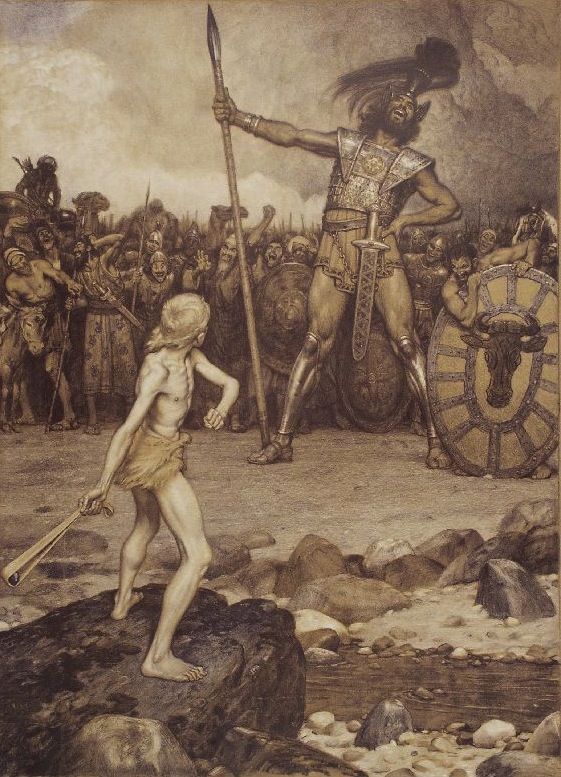
A giant is a very large humanoid figure that appears in the mythology, folklore and popular culture of many societies. Giants are typically portrayed as far larger and stronger than ordinary humans and often occupy roles as foes of gods or heroes, primeval ancestors, or embodiments of wild natural forces. General discussions of giants and their cultural roles can be found in many summaries and reference works; see general overview for starters.
Image gallery
6 Images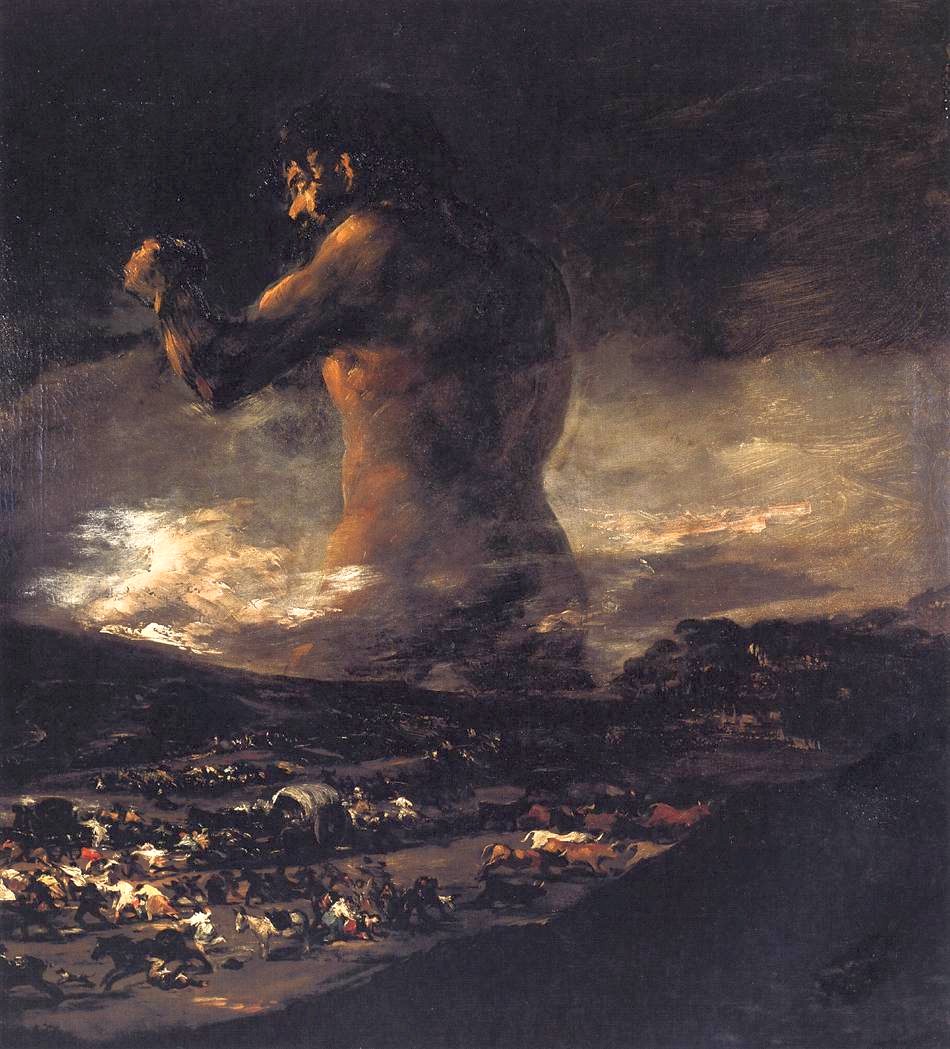



Cultural traditions and examples
Variants of giants appear across Eurasia and beyond. Examples include the Gigantes of Greek myth, the Norse jötunn (often anglicized as jotnar), the Irish Fomorians, and the biblical Nephilim. Other traditions include single-eyed giants such as the Cyclopes and many regional folk figures. These groups differ in origin stories, behavior and relationships with gods or humans.
Characteristics and symbolism
Descriptions of giants vary: some are brutish and hostile, others are wise or even beneficial. Their size and strength commonly symbolize forces beyond human control—storms, mountains, or the unknown. Myths sometimes use giants to represent chaos that must be contained by culture heroes. Occasionally giants are portrayed with human social structures or moral complexity rather than merely monstrous traits; for more on comparative symbolism, consult comparative studies.
History, origins and hypotheses
Scholars propose several sources for giant legends, including social memory of unusually tall individuals, metaphors for ancient conflicts, and the misinterpretation of large fossils. No single origin explains all stories; different cultures adapted the basic idea to local landscapes and historical experiences.
Modern uses and distinctions
Giants remain popular in literature, film and games, where they range from fearsome monsters to sympathetic characters. In fantasy genres, distinctions are often drawn between giants, titans, ogres and trolls—terms that overlap but carry different connotations. The term also survives in idioms and names (for example, sports teams or businesses) to convey vast size or power.
Notable types (brief list)
- Greek Gigantes — opponents of the Olympian gods
- Norse jötunn — a diverse race with many subtypes
- Fomorians — chaotic sea and land powers in Irish myth
- Nephilim — ambiguous figures in biblical texts
- Cyclopes — one-eyed giants in several Mediterranean stories
For further reading and comparative entries, see the linked resources above and specialized articles on each tradition.
Related articles
Author
AlegsaOnline.com Giant (myth, folklore, and culture) Leandro Alegsa
URL: https://en.alegsaonline.com/art/38719