
Sea: definition, types, characteristics and human significance
A sea is a large body of saline water, often part of an ocean or a landlocked basin. This article explains types, physical traits, ecology, history, uses and how seas differ from oceans and lakes.
Overview
A sea is a sizable body of saline water that may be part of an ocean or a separate inland basin. Seas vary greatly in size, depth, chemistry and ecology. Some seas are contiguous with the world ocean and exchange water freely, while others are nearly or completely isolated and behave more like salt lakes.
Image gallery
10 Images



Key characteristics
Seas are typically defined by their salt content, connection to larger oceanic systems, and distinct shorelines. Physical features include continental shelves, basins, and coastal margins where currents, tides and waves shape the environment. Biological communities range from plankton and seagrasses to large fish and marine mammals, adapted to local temperature and salinity regimes.
Types and examples
Broadly, seas fall into several categories:
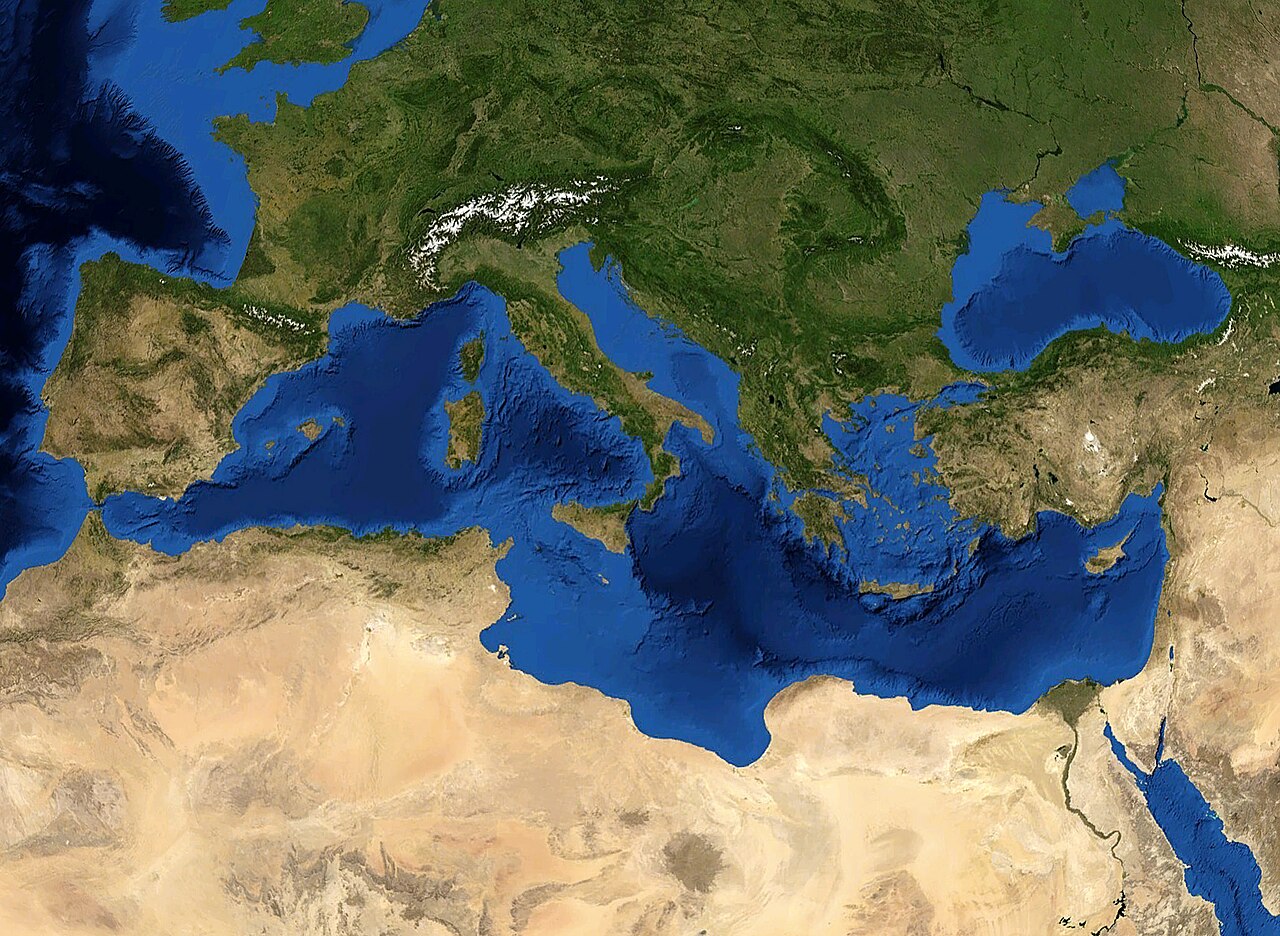
- Marginal seas: semi-enclosed parts of an ocean—examples are the Mediterranean and the North Sea.
- Inland seas or saline lakes: bodies like the Caspian Sea that may lack natural outlets and have unique chemistry.
- Epicontinental seas: shallow waters that once covered continental interiors in Earth’s history.
History and naming
The word "sea" has been used since antiquity to describe navigable waters and large inland basins. Cultural and commercial importance led to many regional names. Scientific classification developed as oceanography and geology advanced, distinguishing seas by connectivity, depth and salinity.
Uses and importance
Seas support fisheries, shipping routes, coastal economies and recreation. They influence climate and weather, act as carbon and heat reservoirs, and host biodiversity important to global ecological balance. Human activities such as fishing, shipping and coastal development have profound effects on sea health.
Distinctions and notable facts
Seas are not always synonymous with oceans: oceans are the largest continuous bodies of salt water, while seas may be smaller or partially enclosed. Some named "seas" are actually large lakes by hydrological criteria. For further reading, see definitions and resources: definition source, salinity and chemistry, ocean vs sea, inland seas, example: Caspian Sea.
Author
AlegsaOnline.com Sea: definition, types, characteristics and human significance Leandro Alegsa
URL: https://en.alegsaonline.com/art/130612