
Tooth: structure, function, development and evolution
Overview of tooth anatomy, types and functions, development and evolution, common disorders and basic care. Covers vertebrate and human variation and the role of teeth in culture and research.
Overview
A tooth is a hard, mineralized organ in the mouth that assists in biting, cutting and grinding food so it can be swallowed and pass into the stomach. Teeth vary widely among animals; their number, shape and position are closely related to diet and behaviour. In many species they also serve non-digestive roles such as defence, display or tool use.
Image gallery
10 Images



Structure and composition
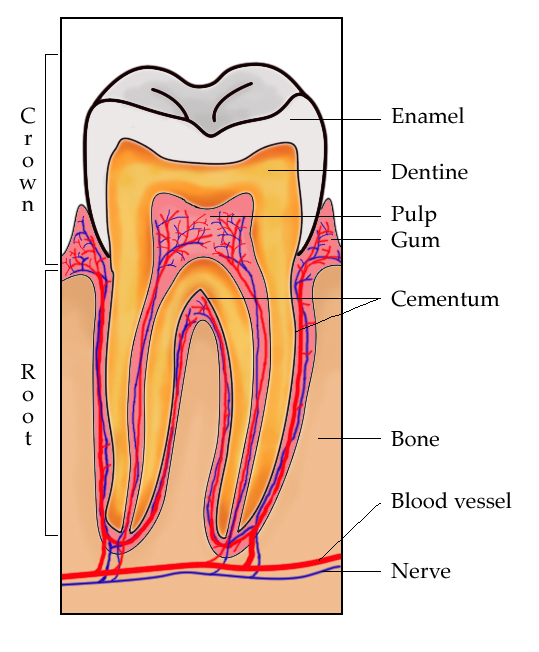
Most teeth share a common internal design. The visible crown is covered by enamel, the hardest tissue in the body. Beneath enamel lies dentin, a dense, mineralized tissue surrounding a central pulp chamber that contains nerves and blood vessels. The root anchors the tooth to the jaw via the periodontal ligament and is surrounded by alveolar bone. These basic components are present across many groups of vertebrates, though details and proportions differ.
Types and functions
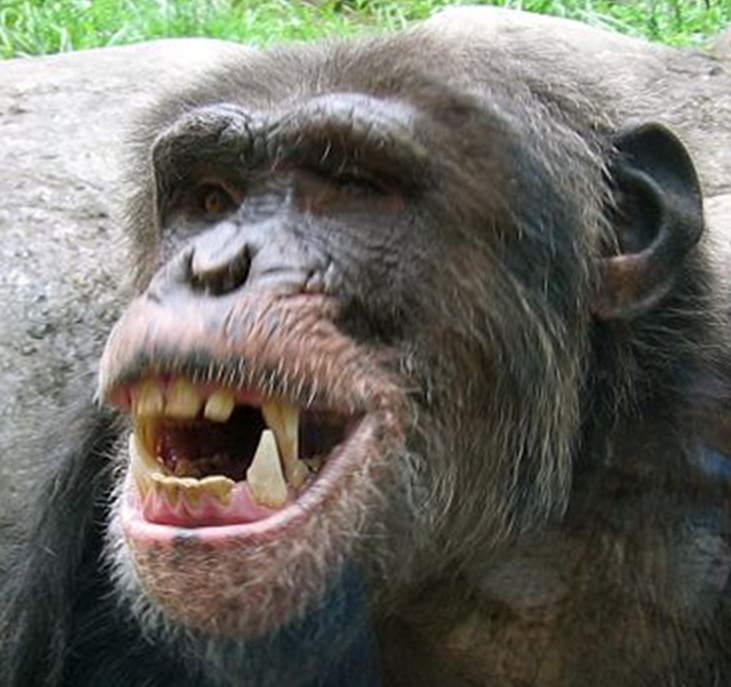
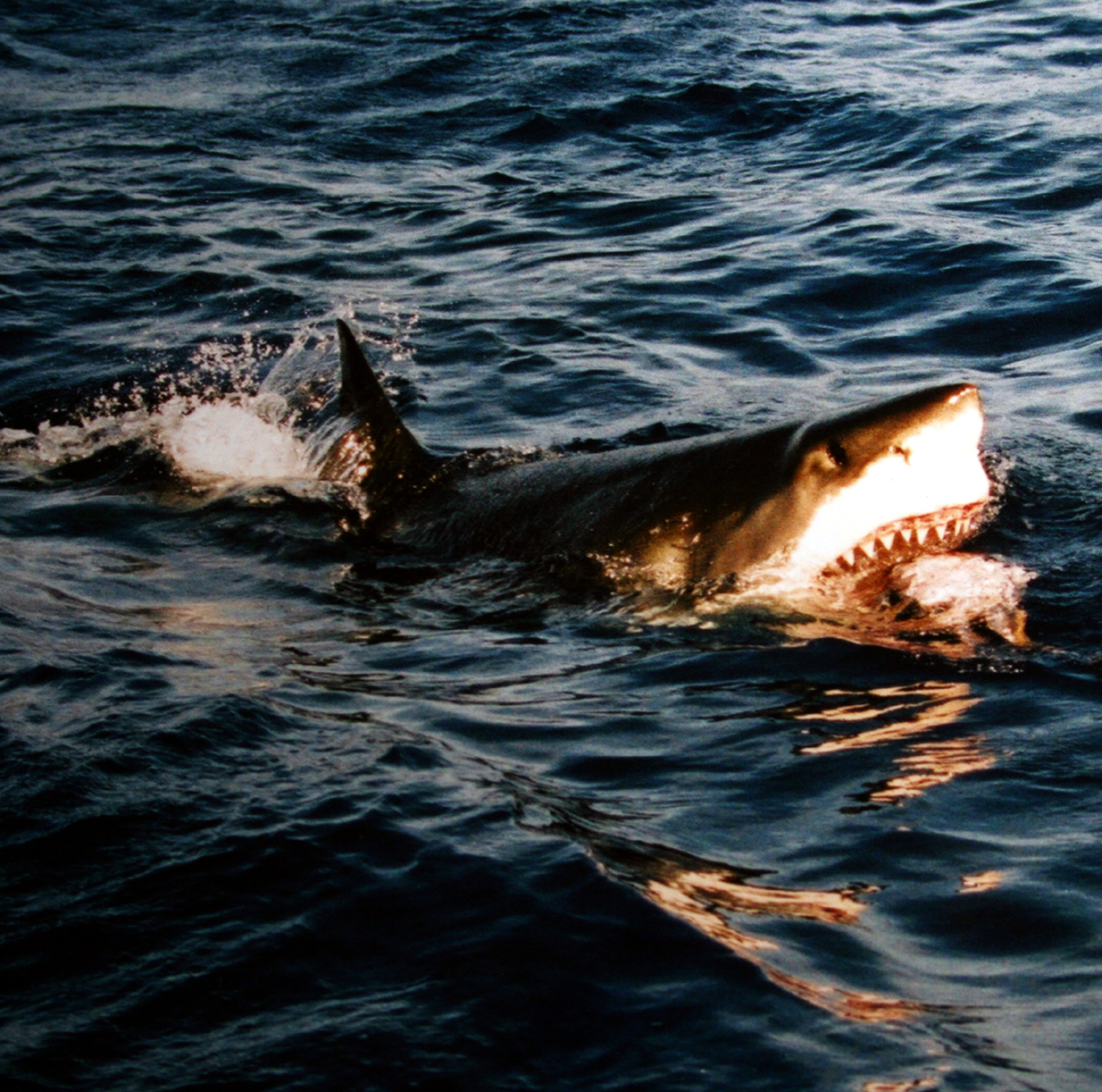
Mammals commonly exhibit heterodont dentition, with specialized types: incisors for cutting, canines for tearing, and premolars and molars for crushing and grinding. Other vertebrates can be homodont, having many similar teeth adapted to capturing or holding prey. Some fishes and reptiles replace teeth continuously, while most mammals have a limited replacement pattern. Teeth may be modified into tusks or other structures in some lineages.
Development and variation
Tooth development begins through interactions between oral epithelium and underlying mesenchyme during embryogenesis; this process is broadly conserved among vertebrates. Humans and many mammals form a set of deciduous (primary) teeth that are later replaced by a permanent set: human children typically have 20 primary teeth and human adults usually have 32 permanent teeth. Timing of eruption, root formation and wear patterns show substantial variation between species and with diet.
Comparative and evolutionary notes
Birds are a notable group that lack true teeth, having evolved beaks instead; while most modern birds show no teeth, fossil birds and early avian relatives sometimes did. Many invertebrates possess tooth-like structures: for example, mollusks have a radula with rows of chitinous teeth and arthropods use hardened mandibles and other mouthparts to process food. Evolutionary changes in teeth are valuable for interpreting diet and ecology in the fossil record.
Health, problems and care
Healthy teeth are essential for nutrition, speech and facial structure. Common conditions include dental caries (decay), periodontal (gum) disease, abrasion, erosion and tooth loss. Preventive care includes regular cleaning, limiting sugary foods, adequate fluoride exposure and professional dental evaluation. When problems occur, restorative treatments range from fillings to crowns, root canal therapy and extractions.
Cultural, forensic and archaeological significance
Teeth preserve well after death and are widely used in archaeology and forensic science to estimate age, diet and health of past populations. Human identity and status have also been expressed through dental modification in many cultures. Dental remains thus provide both biological and cultural information to researchers.
Further reading
- Basic anatomy and care: consult dental health resources or a licensed professional in your area, including sources focused on human oral health and pediatric dentistry.
- Comparative studies: for broader context on how teeth vary across animals, review comparative anatomy texts and overviews of vertebrate evolution.
- For specific topics, follow specialist links such as general references on the human dentition and veterinary or paleontological literature for non-human examples.
Questions and answers
Q: What is a tooth?
A: A tooth is one of the hard, white structures in the mouth that is used for chewing food during the mastication process.
Q: What is the purpose of teeth?
A: Teeth are used to break up and crush food so it can be swallowed and digested properly.
Q: Which animals do not have teeth?
A: Birds are the biggest group of animals that do not have teeth.
Q: What do some invertebrates have that act like teeth?
A: Some invertebrates have mouthparts that in some way mimic the functions of teeth.
Q: Why do different animals have different kinds of teeth?
A: Different animals have different kinds of teeth because they eat different types of foods.
Q: How many teeth do human adults usually have?
A: Human adults usually have 32 teeth.
Q: How many teeth do human children usually have?
A: Human children usually have 20 teeth.
Related articles
Author
AlegsaOnline.com Tooth: structure, function, development and evolution Leandro Alegsa
URL: https://en.alegsaonline.com/art/100623
Sources
- colgate.com : "How many teeth do we have?"
- nlm.nih.gov : "Natal teeth"
- mouthhealthy.org : "Brushing Your Teeth"
- ada.org : "Facts About Fluoride"
- chemistry.elmhurst.edu : "Sugar and Tooth Decay"
- urmc.rochester.edu : "The Best and Worst Foods for Your Teeth"
- oralhealth.deltadental.com : "The Importance of Saliva"