
Celtic mythology: gods, cycles, and cultural legacy
Celtic mythology encompasses the oral traditions, gods, cosmology and heroic cycles of the peoples called Celts. It survives in medieval manuscripts, place‑names and modern culture across Ireland, Britain and Brittany.
Celtic mythology is the collection of stories, beliefs and ritual patterns associated with the peoples traditionally termed the Celts. It survives unevenly in medieval manuscripts, later folklore, archaeological remains and place‑names, and scholars reconstruct its themes from those varied sources. Much of what is called "Celtic" mythology reflects regional traditions in Ireland, Scotland, Wales and Brittany rather than a single uniform system.
Image gallery
8 Images

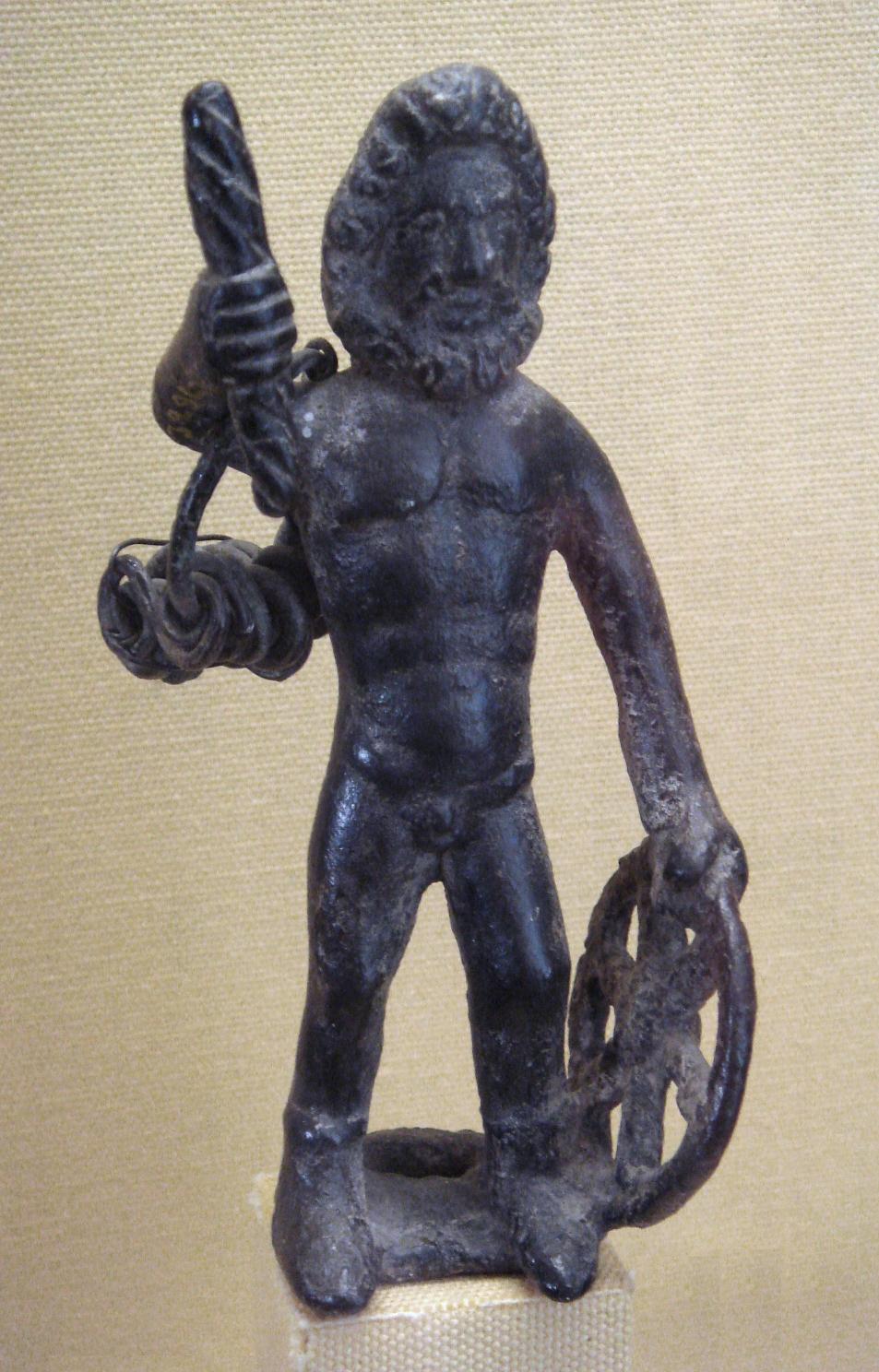
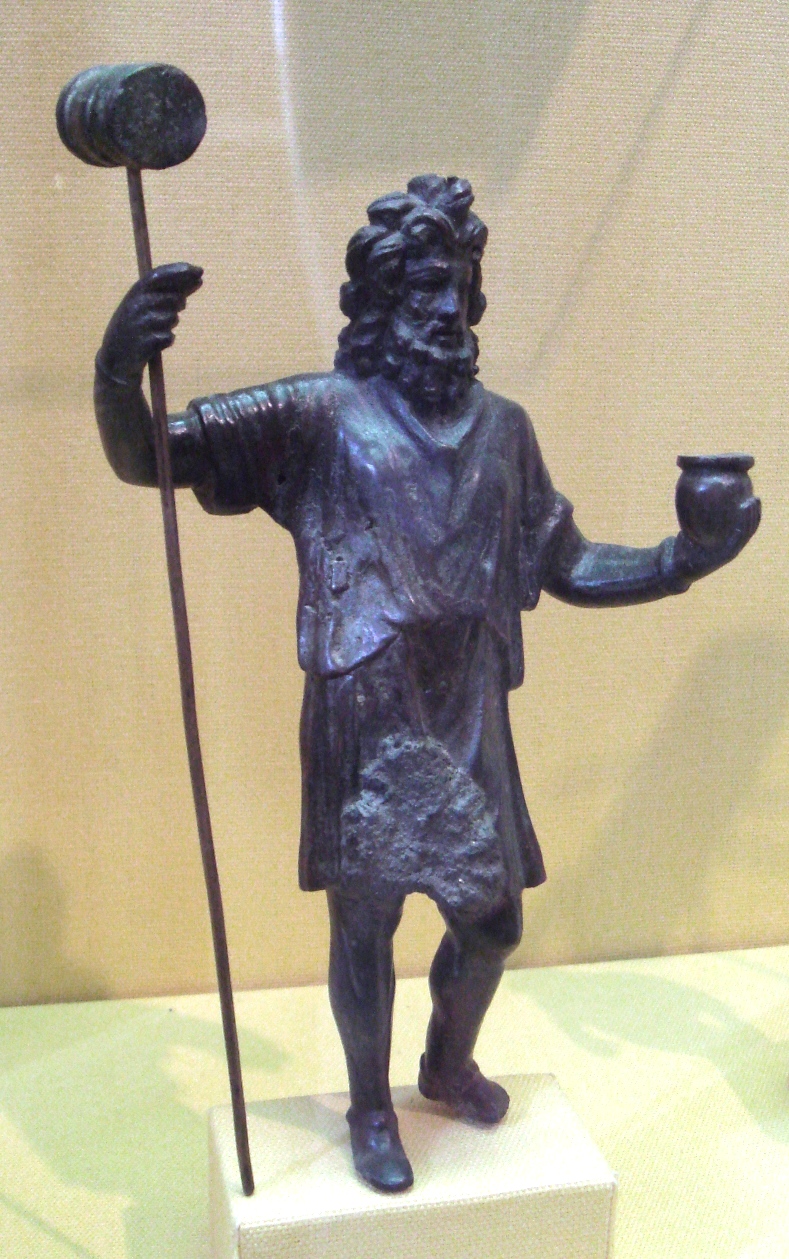
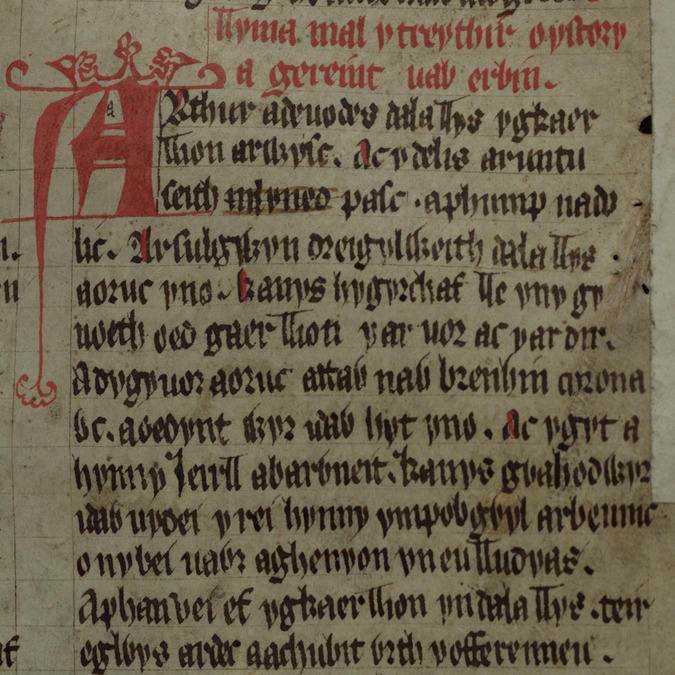


Core characteristics
These mythic traditions emphasize a close relationship between people, landscape and the supernatural. Recurring elements include a rich pantheon of deities and spirits, tales of otherworldly places, supernatural horses and cattle, enchanted objects, and cycles of heroic deeds. Story cycles often blend history, legend and poetic invention, and originally circulated in oral form before being written down.
Sources and development
Most surviving narratives reach us in medieval manuscript collections and later folklore. Monastic scribes recorded many tales, preserving material that had circulated for centuries. Because of this transmission through scribal culture, texts often show Christian editorial influence alongside older mythic motifs.
Major themes and cycles
Celtic narratives are commonly grouped into interconnected cycles: origin and invasion stories, heroic sagas, and tales centered on legendary warriors and questing bands. Prominent themes include contacts with the Otherworld, sovereign goddesses who symbolize land and kingship, and metamorphosis or exile as moral or poetic devices.
Regional variation and legacy
Local differences are important: Irish, Welsh and continental traditions share motifs but developed distinct characters and styles. Celtic mythology has influenced literature, place‑names, classical scholarship and modern cultural movements, and it also informs some contemporary spiritual practices. For an introduction to the broader religious context see Celtic religion and for cultural background see the Celts.
Related articles
Author
AlegsaOnline.com Celtic mythology: gods, cycles, and cultural legacy Leandro Alegsa
URL: https://en.alegsaonline.com/art/17925