
Mythology: Meaning, Forms, and Cultural Roles
An accessible overview of mythology: what myths are, how they differ from legends and folktales, their functions, history, and how scholars study them across cultures.
Mythology denotes the collective body of myths belonging to a people or culture and, by extension, the study of those narratives and their social functions. Myths are traditional stories about beginnings, gods, heroes, and the deep structure of the world; told as accounts of an extraordinary past, they often address questions of origin, identity, and moral order. The same word is also used in scholarly fields that examine how those stories form, how they change, and what they mean in different historical contexts. General collections and individual tales transmit shared values and help communities remember formative events.
Image gallery
10 Images


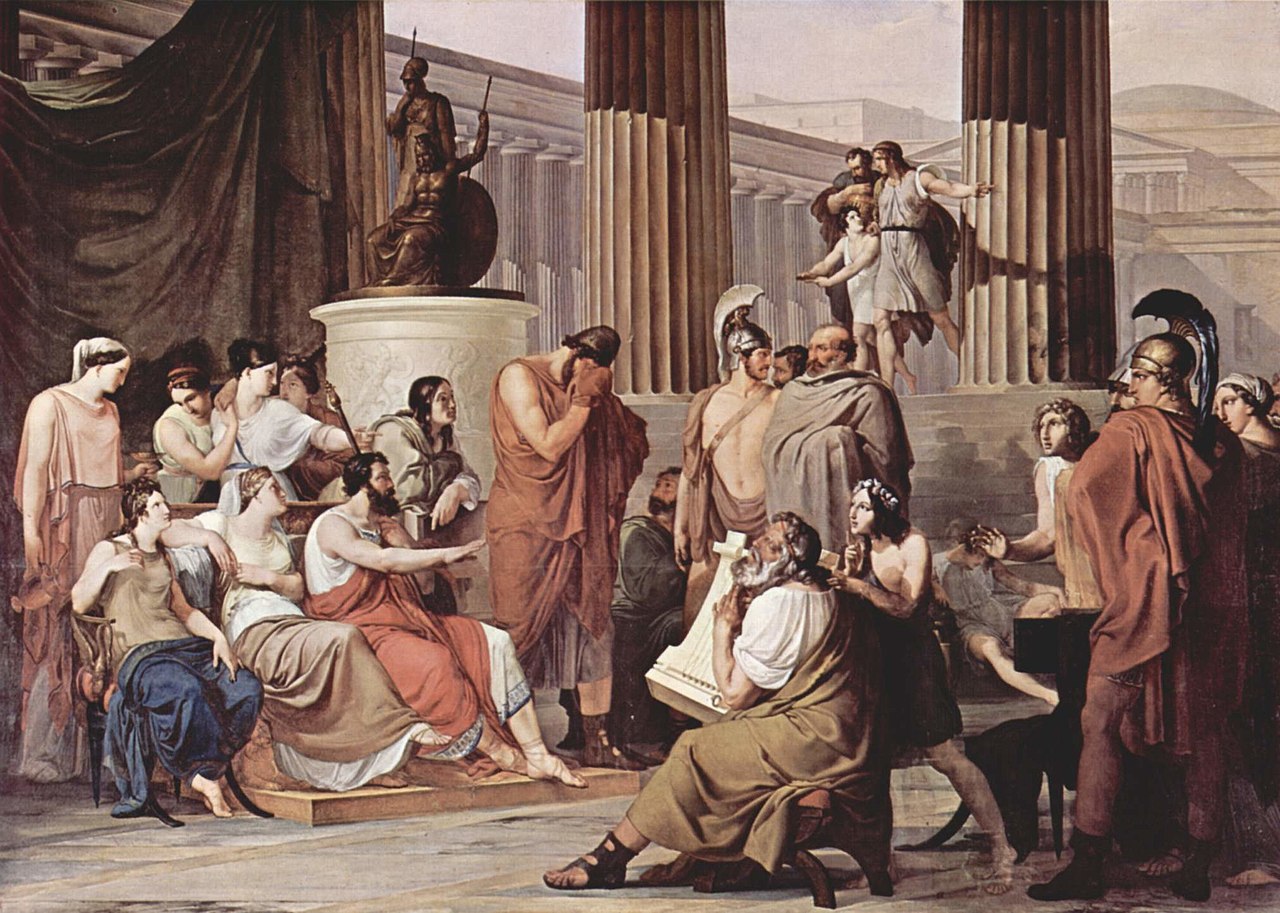


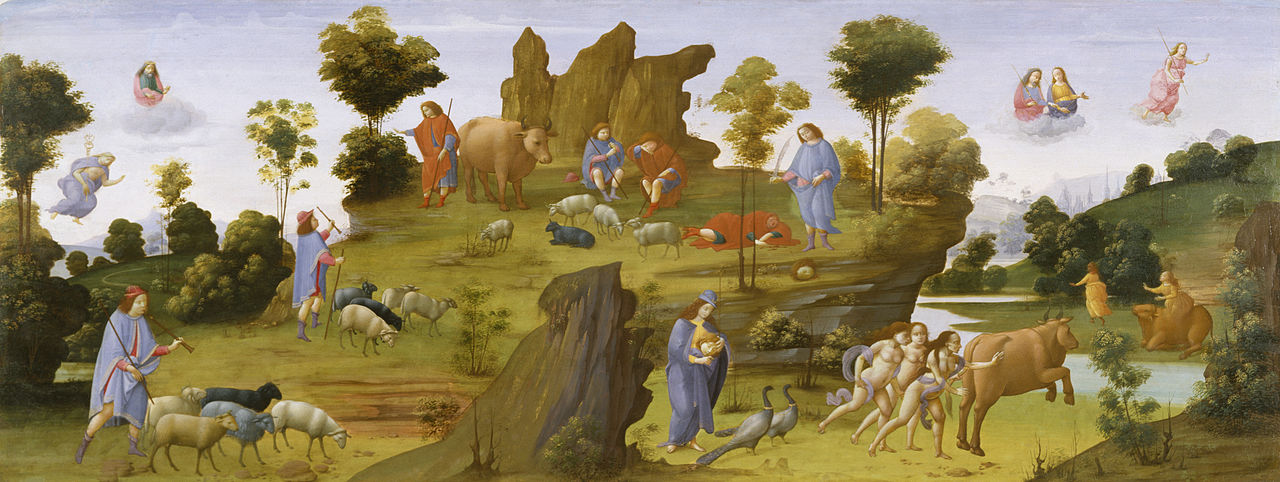


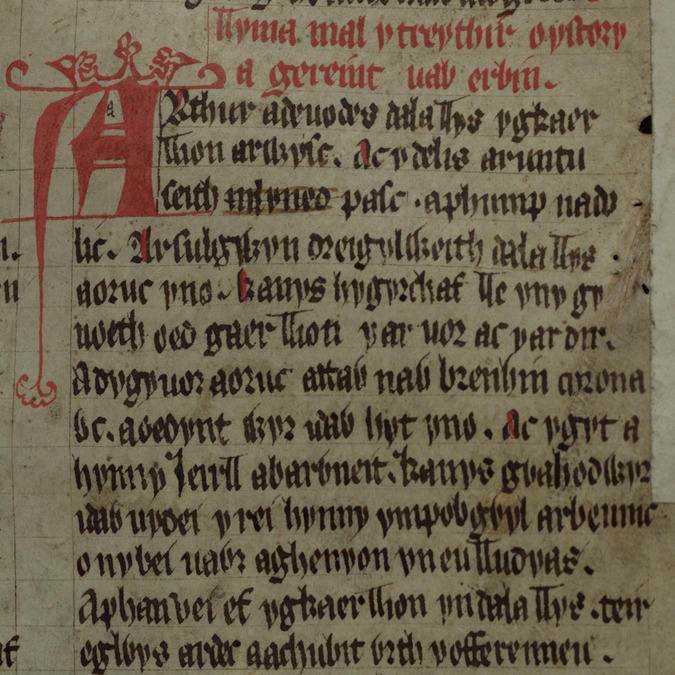
Core characteristics
While definitions vary by discipline, several features are commonly associated with myths. They typically concern remote or primordial time, feature non‑ordinary beings such as deities or supernatural agents, and convey truths taken to be true (in a cultural or religious sense) rather than merely entertaining. Myths may be recited in ritual, sung, or preserved in written literature.
- Primordial setting and etiological purpose: myths often explain why things are as they are; see origin stories.
- Supernatural characters and events: gods, spirits, and extraordinary acts beyond normal human experience, discussed in comparative work such as mythic catalogs.
- Communal authority: myths serve collective memory and social norms, tied to customs or institutions (customs and rituals).
History and transmission
Myths arise and spread through oral tradition, ritual enactment, and later literary preservation. In many cultures they existed for centuries as spoken accounts before being recorded. Historical forces — such as political consolidation, religious reform, and contact between peoples — shape which myths endure, which are adapted, and which are suppressed. Narrative motifs migrate across regions, producing similar story-types in diverse societies.
Functions and examples of use
Beyond explaining natural phenomena or origins, myths perform multiple social roles: legitimizing leaders, outlining moral patterns, organizing seasonal rituals, and providing models for individual conduct. In modern contexts myths are repurposed in literature, film, and national identity projects. Psychologists and anthropologists have interpreted mythic themes as expressions of psychological needs, symbolic frameworks, or collective memory (religious dimensions and spiritual meanings).
Study, genres, and distinctions
Scholars classify traditional narratives into genres such as myth, legend, and folktale to clarify their functions. Legends typically focus on human figures and recent past events, while folktales are treated as fictional narratives circulated for entertainment or moral instruction. These distinctions are heuristic rather than absolute: many stories overlap categories and may shift roles over time. Comparative and interdisciplinary approaches—drawing on history, linguistics, archaeology, and literary studies—help situate myths in cultural lifeways and material evidence (folkloric studies).
Debates and notable facts
The term "myth" has contested implications. In everyday language it can mean a false belief, and some religious communities resist its use for sacred narratives. Academics balance sensitivity to believers with analytical clarity by using alternative terms (e.g., sacred narrative, traditional narrative) or by treating all religious stories as myths to maintain comparability across traditions. Ongoing debates concern authenticity, appropriation, and how modern media reshape ancient story-forms; see discussions of critical approaches and preservation efforts in specialized literature.
Questions and answers
Q: What is mythology?
A: Mythology refers to the collected myths of a group of people—their body of stories which they tell to explain nature, history, and customs. It can also refer to the study of such myths.
Q: What is a myth?
A: A myth is a story about the remote past which is considered true within the society in which it is told. Creation myths take place before the world reached its present form in the most remote time – the first existing period of time known as the primordial age. The characters are normally non-human; they can be gods, demigods, and other supernatural figures.
Q: How are myths different from folktales and legends?
A: Myths are generally understood to be true, about the remote past, and containing non-human characters whereas legends usually feature human characters and folktales are understood as fiction.
Q: Why do some religious people object to their beliefs being called myths?
A: Some religious people object to their beliefs being called myths because they believe them to be true rather than false or fictional like many myths.
Q: Why do some scholars choose not to use “myth” when referring to religion?
A: Some scholars choose not to use “myth” when referring to religion in order to avoid treating one religion as more important or true than another.
Q: What purpose do creation myths serve for societies?
A: Creation myths serve as an explanation for how a particular reality came into existence, explaining why a society works and is structured the way it is.
Related articles
Author
AlegsaOnline.com Mythology: Meaning, Forms, and Cultural Roles Leandro Alegsa
URL: https://en.alegsaonline.com/art/68015