
Orphism (ancient Greek religious movement)
Orphism is a set of religious beliefs and practices in ancient Greece associated with the mythical poet Orpheus, emphasizing the soul’s immortality, ritual purification, and escape from cycles of rebirth.
Overview
Orphism refers to a collection of religious ideas and ritual practices in ancient Greece linked to the legendary figure Orpheus. Emerging in the Archaic and Classical periods, it is characterized by a focus on the soul’s destiny, moral purity, and a cosmology and poetry attributed to Orpheus. Orphic material survives in fragments: hymns, mythic narratives, and buried inscribed tablets that outline rites and expectations for the dead.
Image gallery
4 Images


Beliefs and doctrine
Central themes in Orphic thinking include the immortality and divine origin of the human soul, the idea that souls undergo multiple lives, and that spiritual liberation requires purification and proper ritual. Key elements commonly associated with Orphism are:
- Rebirth or metempsychosis as a cycle from which the soul seeks release (rebirth).
- A dual nature of humans: a divine, immortal component and a corrupt, material element.
- Moral and ritual purification to atone for a primordial sin or contamination.
- Cosmogonic myths that often feature figures such as Phanes or a Dionysian prototype; some accounts describe humanity’s origin from the remnants of a divine being.
Practices and ritual life
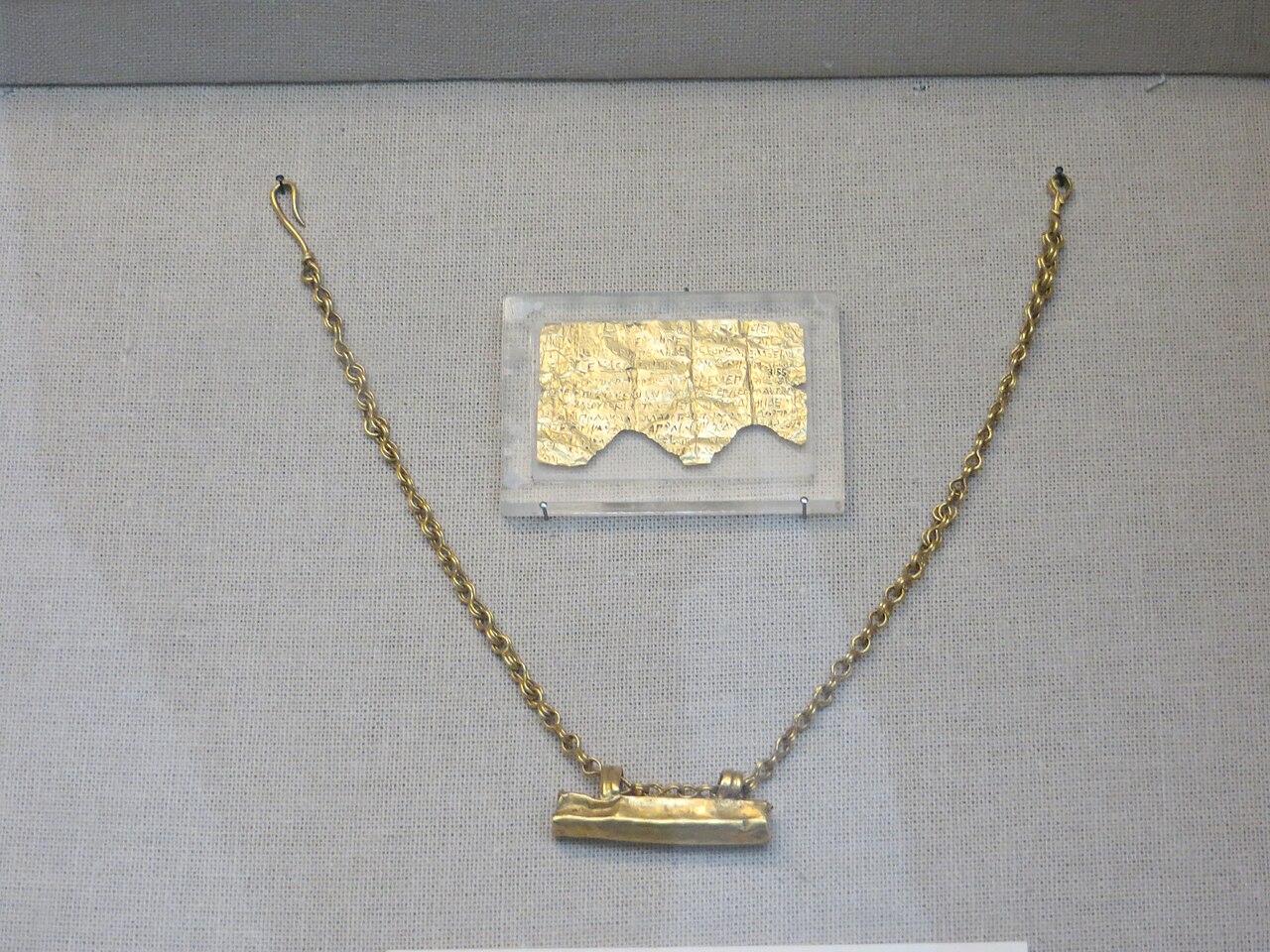
Orphic practices appear to have emphasized initiation, purification rites, and dietary or behavioral taboos designed to maintain ritual purity. Initiates could receive instructions intended to help the deceased navigate the afterlife; archaeological finds commonly called "Orphic gold tablets" contain brief directions for the soul after death. The cult environment included hymns, chants, and mystery rites that were secretive and transmitted within small groups.
Texts, archaeology, and evidence
Surviving Orphic texts exist only in fragments and later quotations. Important evidence includes ritual poems known as Orphic Hymns, philosophical appropriations of Orphic themes, and archaeological items such as inscribed lamellae placed in graves. Papyrus fragments and funerary inscriptions have been crucial for reconstructing Orphic beliefs, but the material is patchy and open to interpretation.
Historical development and influence
Orphic ideas influenced many streams of Greek thought, notably some strands of Platonic philosophy and Hellenistic mystery religion. Pythagoreanism shares affinities with Orphic ascetic and eschatological concerns. Over centuries these motifs were adapted into various local cults and philosophical systems, and they continued to attract attention in late antiquity and modern scholarship.
Scholarly issues and distinctions
Modern scholars debate whether "Orphism" denotes a single organized religion or a label for diverse, related practices and texts. The precise origins, chronology, and social profile of Orphic communities remain contested. What is clear is that a set of ideas about soul, sin, purification, and afterlife attributed to Orpheus played a notable role in the religious and intellectual landscape of ancient Greece.
Questions and answers
Q: What is Orphism?
A: Orphism is a religious belief system of ancient Greece that emphasizes the need for individuals to purify themselves through ritual and moral purification in order to rid themselves of the evil aspect of their nature.
Q: When did Orphism originate?
A: Orphism is believed to have originated in ancient Greece sometime in the 7th or 6th century BC.
Q: What is the basis of Orphism?
A: The basis of Orphism is a series of poems attributed to a legendary figure named Orpheus.
Q: What is the main goal of Orphism?
A: The main goal of Orphism is to rid oneself of the evil part of their nature through a series of reincarnations.
Q: What is the main method used in Orphism to achieve purification?
A: The main method used in Orphism to achieve purification is through ritual and moral purification.
Q: What aspect of oneself does Orphism focus on getting rid of?
A: Orphism focuses on getting rid of the evil aspect of oneself.
Q: What is the significance of Orphism in ancient Greece?
A: Orphism was a significant religious belief system in ancient Greece and had a lasting impact on Greek thought and philosophy. It was also a precursor to other Greek philosophies, such as Pythagoreanism and Platonism.
Related articles
Author
AlegsaOnline.com Orphism (ancient Greek religious movement) Leandro Alegsa
URL: https://en.alegsaonline.com/art/73243