
Ludovico Ariosto: Italian Renaissance Poet and Author of Orlando Furioso
Concise encyclopedia entry on Ludovico Ariosto (1474–1533): life at Ferrara, composition and themes of Orlando Furioso, poetic form (ottava rima), other writings, publication history and influence.
Overview
Ludovico Ariosto (born 8 September 1474 in Reggio Emilia — died 6 July 1533 in Ferrara) was an Italian writer and poet of the High Renaissance. He is best known for the long romance-epic Orlando Furioso, whose expanded edition first appeared in print in 1516. The poem continues and transforms material from Matteo Maria Boiardo and adapts the Carolingian tradition associated with Charlemagne and his Franks.
Image gallery
9 Images


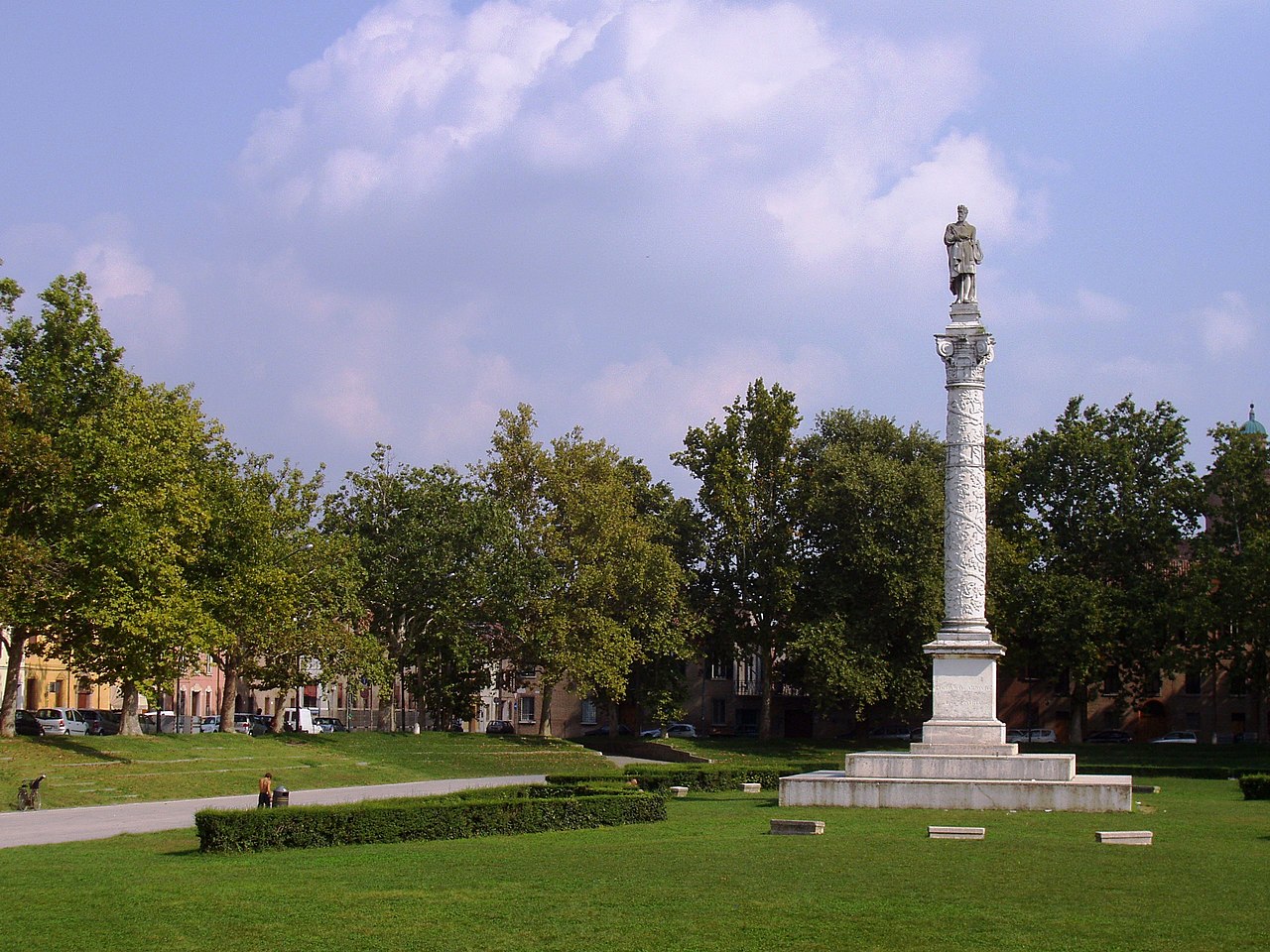

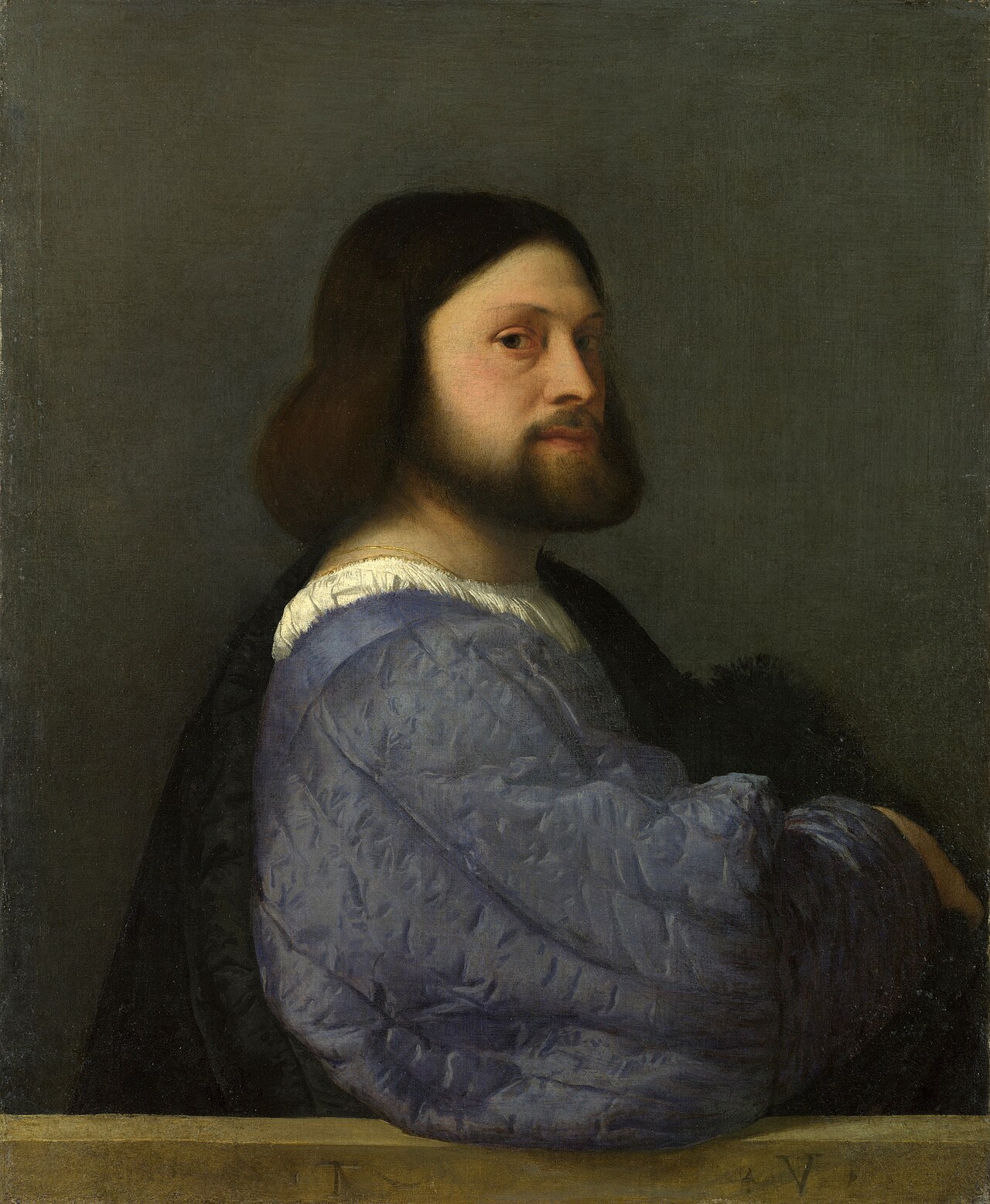

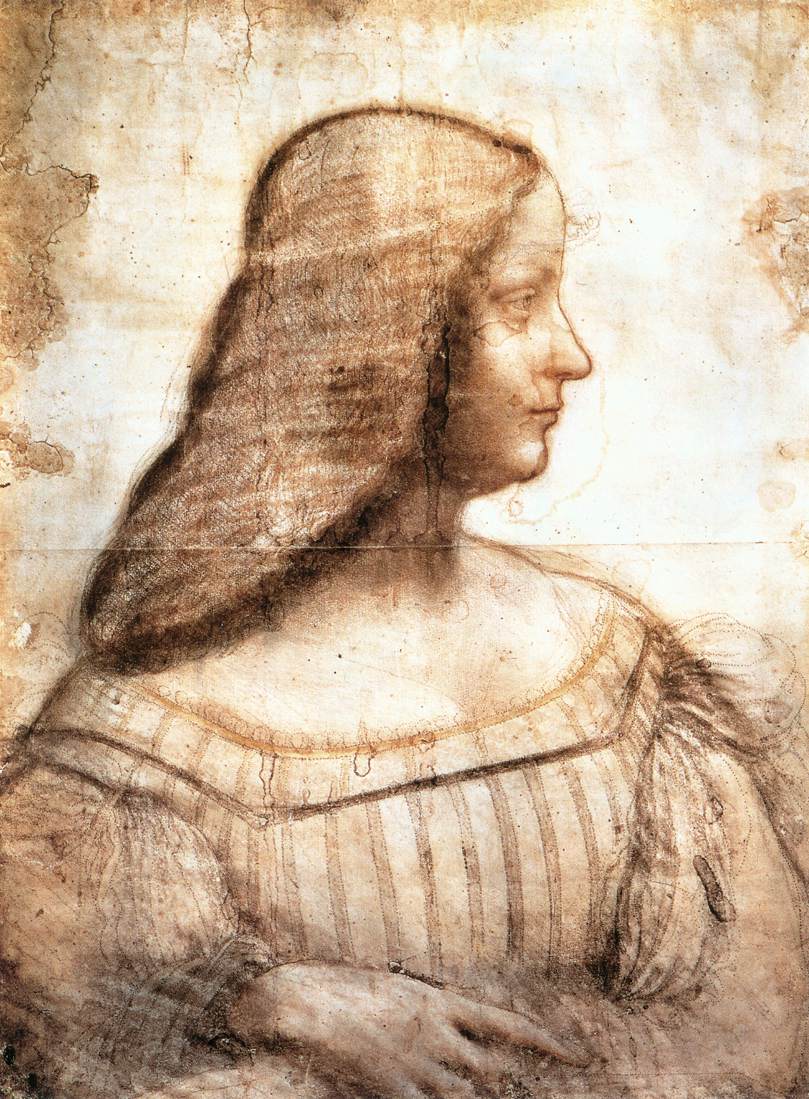

Life and career
Ariosto spent most of his adult life at the Este court in Ferrara, where he served patrons such as Cardinal Ippolito d'Este and Duke Alfonso I d'Este. His employment combined administrative duties with literary commissions, and the courtly setting influenced both the themes and the occasional encomiastic passages of his verse. He moved within humanist circles and balanced classical learning with popular storytelling.
Orlando Furioso: composition and plot
Orlando Furioso is an expansive narrative that interlaces multiple episodes of chivalric adventure, courtly love, enchantment and comic incident. Ariosto arranges an intricate pattern of stories around central figures such as Orlando and other knights of the Carolingian cycle, and introduces characters and set pieces—for example the adventures of Rinaldo, Angelica and Astolfo—that range from the tragic to the fantastical. The poem famously sends one hero on improbable journeys, including a voyage to marvelous places, and shifts freely between serious and playful tones.
Form, voice and technique
Ariosto wrote the poem in ottava rima, an eight-line stanza with a characteristic rhyme scheme that he used to sustain a lively narrative pace. He frequently breaks narrative flow with direct remarks to the reader and ironic authorial asides, an early employment of sustained narrative commentary that shapes tone and judgment throughout the work. The result is a voice that can be both admiring of chivalric ideals and gently skeptical of their excesses.
Other writings
Beyond his great romance-epic, Ariosto composed lyric poetry in both Italian and Latin, produced satirical pieces and wrote four comedies intended for courtly performance. His shorter poems display a facility with melodic line and classical reference, while his dramatic works reflect the taste for witty dialogue and social observation common at Italian courts of the period.
Publication history and revisions
Ariosto repeatedly revised Orlando Furioso across several printings, enlarging and reordering episodes until the edition usually regarded as definitive appeared in 1532. The work circulated widely in manuscript and print, and its complex publication history reflects both Ariosto's continual editing and the demands of early modern readers and patrons.
Themes and critical reception
Major themes in Ariosto's writing include the tension between idealized chivalry and human frailty, the interplay of love and madness, the use of wonder and magic to test characters, and an ironic sensibility that invites reflection. Critics and readers have long admired his narrative imagination, his control of tempo and scene, and his capacity to balance invention with moral subtlety.
Influence and adaptations
- Orlando Furioso became a model for later European romance and epic writers, admired for its episodic structure and tonal range.
- Ariosto's techniques influenced narrative fiction by showing how multiple plots and viewpoints can be coherently united by voice and irony.
- The poem inspired adaptations in other arts—painting, music and theatre—where its incidents and characters provided rich material.
Legacy
Ariosto is regarded as one of the high points of Italian Renaissance literature. His fusion of classical learning, medieval romance material and a modern narrative sensibility helped shape the transition from chivalric epic toward more flexible forms of storytelling. For introductions to his life and works consult regional histories of Reggio Emilia and Ferrara, surveys of Italian literature, and specialized studies of the ottava rima stanza and its role in narrative rhyme practice; for commentary on his ironic technique see discussions of narrative commentary.
Related articles
Author
AlegsaOnline.com Ludovico Ariosto: Italian Renaissance Poet and Author of Orlando Furioso Leandro Alegsa
URL: https://en.alegsaonline.com/art/59773