
King: role, succession, and variations of hereditary rulers
Overview of kingship: definitions, powers, succession methods, regional titles (shah, sultan, malik), consorts, historical development, and how monarchies function today.
A king is traditionally a male sovereign who serves as the head of state in a monarchy. Historically a king derived authority through inheritance, custom, religion, or conquest and often ruled a territory called a kingdom. The exact powers attached to kingship have varied widely: some kings exercised near‑absolute authority, while others occupied largely ceremonial positions within constitutional systems.
Image gallery
10 Images
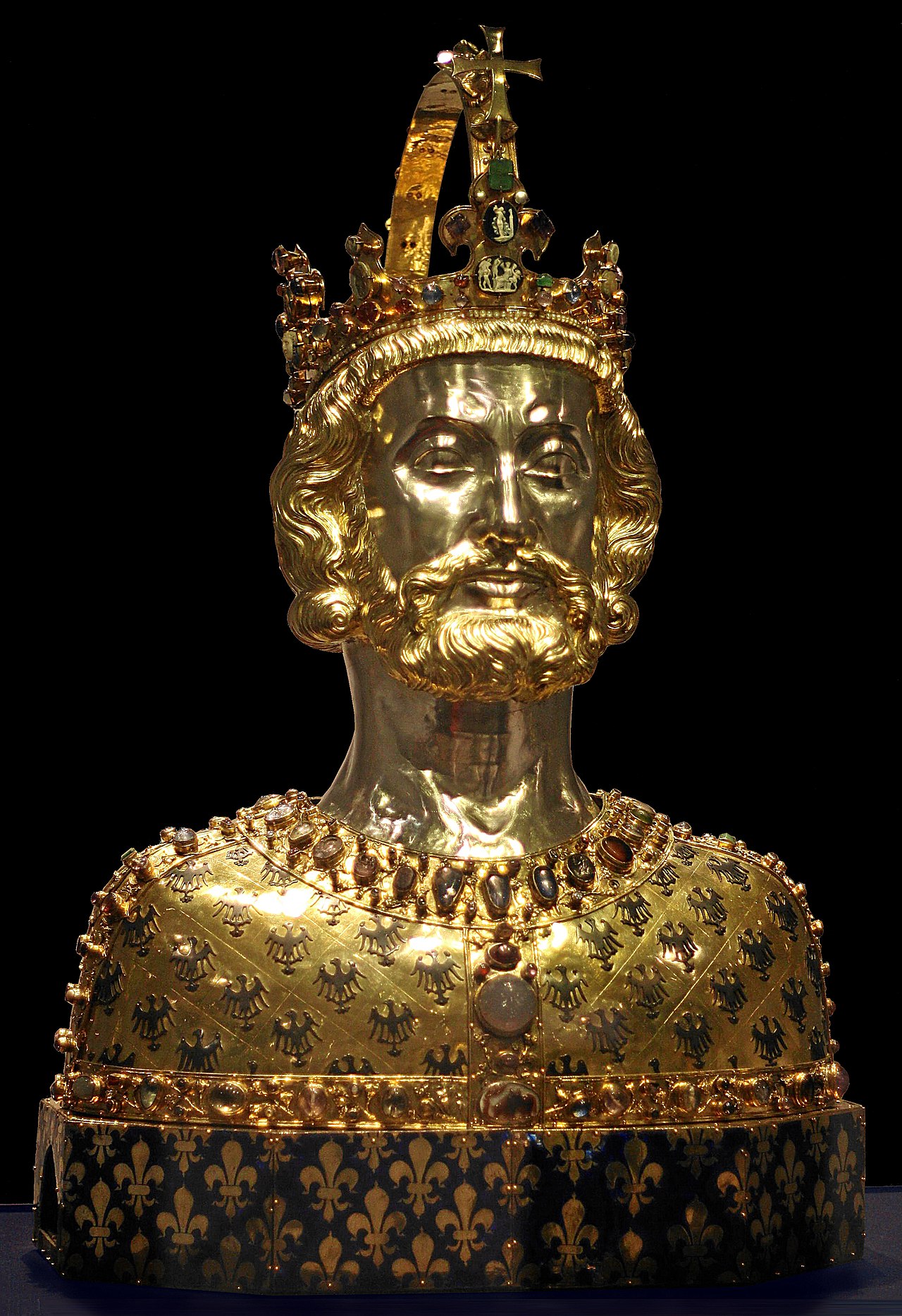




Roles and characteristics
The role of a king may include law‑making, military leadership, presiding over ceremonies, religious duties, and representing the nation abroad. In modern constitutional monarchies many of these functions are symbolic or performed on the advice of elected officials, whereas in absolute monarchies the king retains executive control. The title of king is gendered; a female sovereign in the same position is usually called a queen regnant, while the spouse of a king is traditionally styled queen consort.
Succession and types of accession
Succession to a kingship most commonly follows hereditary rules such as primogeniture, where a child inherits the throne. Succession can also result from abdication, when a reigning monarch steps down and a relative succeeds them — for example, George VI became king after his brother's abdication. In some cultures and periods, new kings were chosen by a council, nobles, or electors rather than by strict inheritance; such systems are described as elective monarchies.
Regional titles and equivalents
A king may be known by different titles in various languages and regions. In parts of the Muslim world titles such as malik, sultan, or shah have been used for rulers with powers comparable to those of kings. The Persian word "shah" historically denoted a sovereign of Persia and was widely recognized as a royal title. Variations in title do not always map precisely to differences in constitutional power.
History and modern context
Kingship is one of the oldest forms of centralized political authority, with monarchs appearing in many different civilizations. Over time the authority of kings has often been constrained by institutions such as parliaments, laws, and constitutions; in the modern era several countries retain kings as ceremonial heads of state, while others abolished monarchies in favor of republics. The persistence of kingship in the contemporary world reflects a mix of tradition, culture, and constitutional arrangements.
Notable distinctions and common terms
- Queen regnant vs queen consort: a queen regnant rules in her own right; a queen consort is the spouse of a reigning king.
- Abdication: the voluntary renunciation of the throne, which can alter expected lines of succession.
- Elective monarchy: a system where monarchs are chosen rather than inheriting automatically, historically present in some European and non‑European polities.
Further reading and related topics
- King (general overview)
- Inheritance and hereditary succession
- Monarch and reigning sovereign
- Abdication and its effects
- George VI (example of accession after abdication)
- United Kingdom (modern constitutional monarchy example)
- Royal family and dynastic households
- Queen (consort and regnant)
- Monarchy as a form of government
- Mohammad Reza Pahlavi (modern example of the title Shah)
- Shah of Iran and Persian royal tradition
Related articles
Author
AlegsaOnline.com King: role, succession, and variations of hereditary rulers Leandro Alegsa
URL: https://en.alegsaonline.com/art/53652