
Hero: origins, meanings, and cultural roles
An overview of the concept of the hero from ancient Greek origins to modern uses, including types, social roles, and notable examples from myth, history and fiction.
Overview
The word hero traces its roots to ancient Greece, where the term ἥρως referred to a figure often set apart from ordinary people. In Greek myth and religion (Greek mythology), a hero could be a legendary warrior, a founder of a city, or a semi-divine person whose life bridged the human and the divine. In some traditions a hero was literally a demigod, born of a god and a mortal parent: for example, the classical figure Herakles is described as the son of Zeus and the mortal Alkmene, whose lineage connects the human community to divine power through story and ritual (Alkmene).
Image gallery
10 Images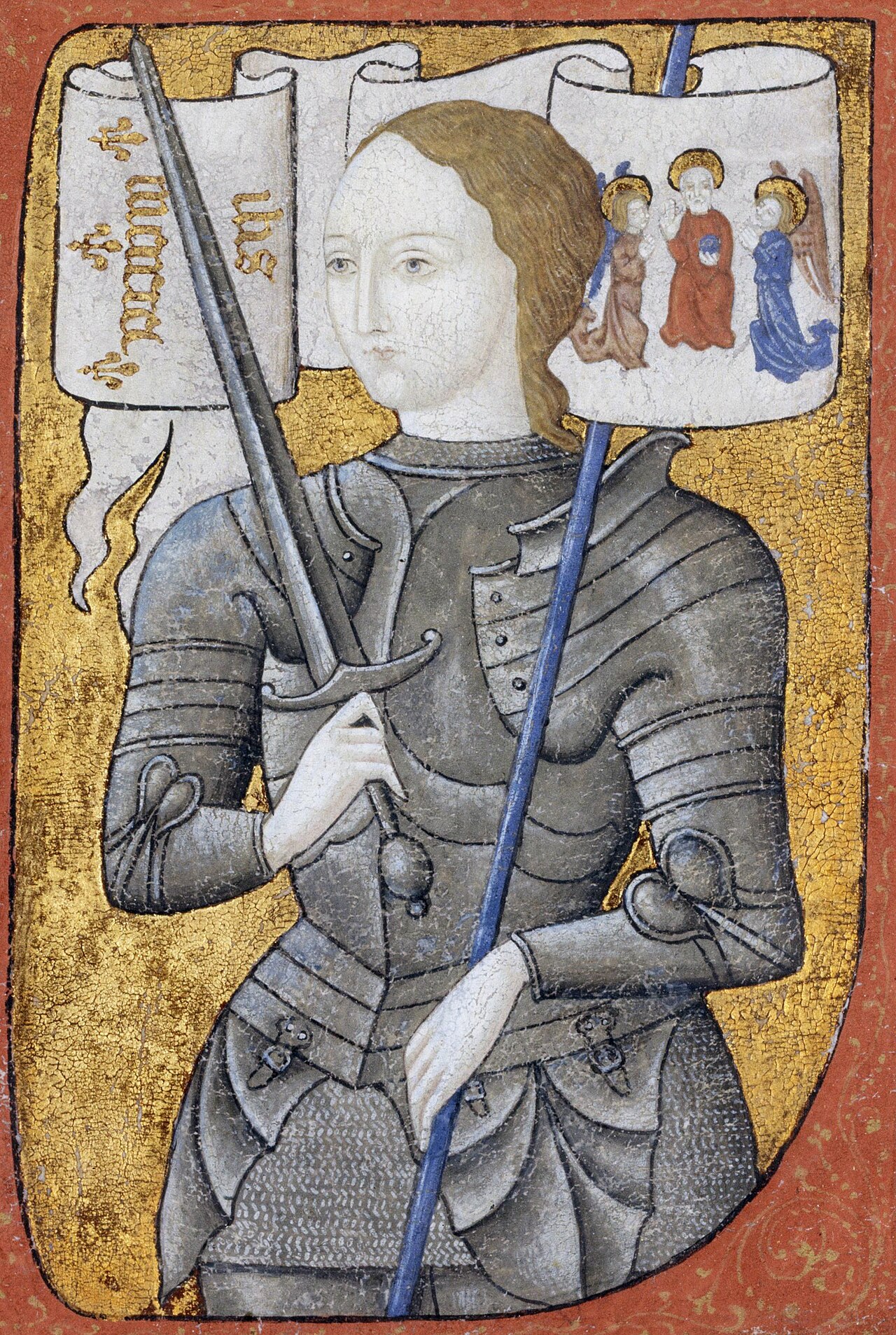



Origins and ancient roles
In antiquity, heroes often performed exceptional feats—slaying monsters, founding cities, or completing epic journeys—and they were sometimes the focus of local cults. Communities could honor a deceased hero with rites, sacrifices and oral traditions that preserved a shared past. Such cult practices helped turn remembered individuals into symbolic protectors and mediators between the living and the sacred. The classical image of a hero therefore blends biography, mythic exaggeration and religious veneration.
Modern meanings and common usage
The contemporary sense of "hero" has broadened considerably. Today a hero is typically someone admired for courage, self-sacrifice or exemplary action in a crisis—an idea often summarized as courage or bravery. In narrative arts the term is also used more loosely: the central figure of a story is sometimes called the protagonist, even if that character lacks traditional heroic qualities. Popular culture has added new forms, most visibly the superhero, a fictional figure whose abilities and moral mission are foregrounded in comics, film and television.
Types and distinctions
- Epic or classical hero: centered on glory and deeds, often linked to divine ancestry.
- Tragic hero: a protagonist whose own flaw or fate produces downfall, prominent in drama.
- Antihero: a central character who lacks conventional virtues but still drives the story.
- Everyday hero: ordinary people praised for courage or service, such as first responders or community leaders.
- Heroine: the female equivalent, used for women who play heroic roles in myth, history and fiction (a noted historical example is Joan of Arc).
Across these types, the concept is often counterposed with the villain, a figure who obstructs or harms others. The opposition helps to shape moral narratives and social ideals.
Functions, examples and cultural significance
Heroes serve several cultural functions: they provide role models, embody collective values, and help communities narrate their past and aspirations. In literature and film they allow audiences to explore courage, sacrifice and ethical dilemmas. In everyday life, people call exceptional acts "heroic" when someone risks well-being to help others—firefighters, medical responders and individuals who intervene in emergencies are often described this way. Sporting heroes perform as examples of skill and perseverance, while fictional heroes allow societies to imagine alternative moral orders.
Notable facts and contemporary debates
How societies identify heroes varies by culture and era. Debates persist about who receives recognition, how historical figures should be remembered, and the risks of uncritical hero-worship. Scholars and critics encourage examining both the admirable acts attributed to heroes and the broader contexts that shape those stories. Whether treated as mythic demigods, literary protagonists, everyday exemplars or pop-culture superheroes, heroes remain central to how humans tell stories about worth, danger and redemption.
For further reading on classical terminology and mythic traditions see resources linked above.
Related articles
Author
AlegsaOnline.com Hero: origins, meanings, and cultural roles Leandro Alegsa
URL: https://en.alegsaonline.com/art/43858