
Cattle: Domesticated Bovines — Biology, History, and Uses
An overview of cattle: their biology, taxonomy, behavior, history of domestication, major uses, breed distinctions, and their role in agriculture and culture.
Overview
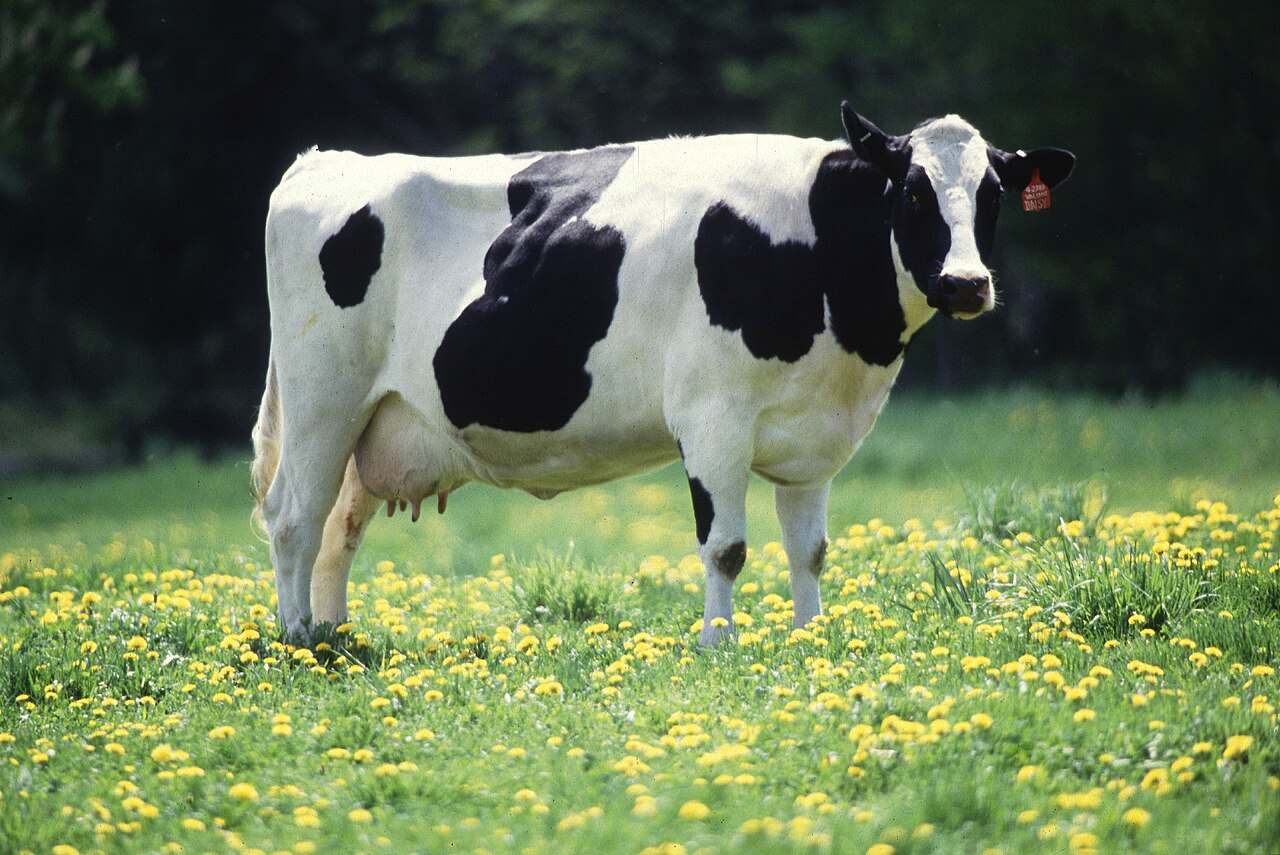
Cattle are domesticated bovines of the genus Bos, kept worldwide for a variety of purposes. The word "cattle" covers adult females (cows), adult males (bulls), castrated males often used for work (oxen), and young animals (calves). As large, usually herd-forming mammals, cattle are a central component of many agricultural systems and rural cultures.
Image gallery
10 Images





Taxonomy and distribution
Modern domestic cattle descend from wild aurochs and belong to the subfamily Bovinae. They are ruminant, cloven-hoofed mammals and one of the most numerous large domesticated hoofed species. Originally native to parts of Eurasia and Africa, cattle were spread by humans to the Americas, Australia and other regions after the advent of long‑distance travel and colonization.
Physical characteristics and anatomy
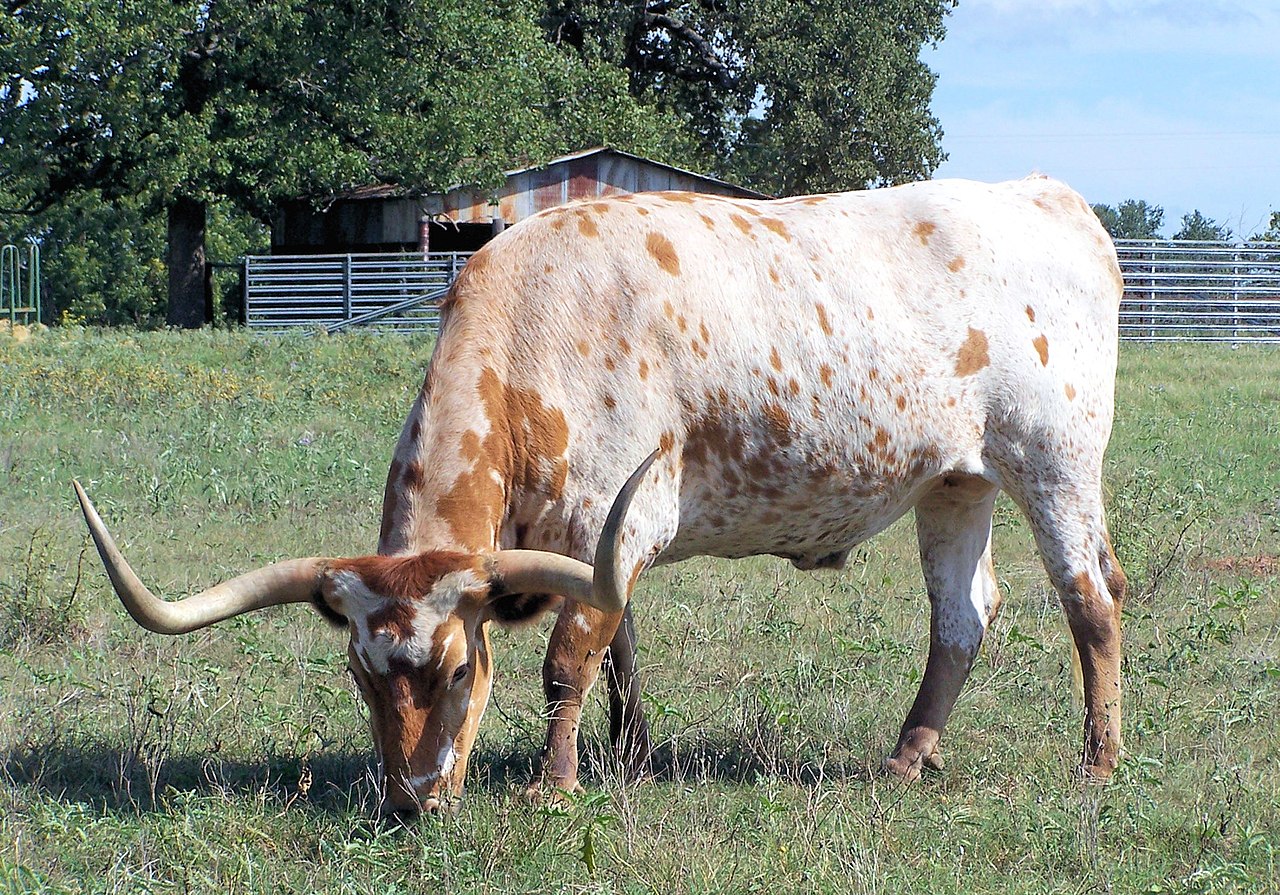
Cattle typically have two-toed, or cloven hooves, and a specialized four-chambered stomach adapted for fermenting fibrous plant material. As grazers, many breeds digest grasses and forage through ruminant fermentation—regurgitating and rechewing cud—an adaptation that allows them to extract nutrients from coarse vegetation. Horns are present in many breeds and develop above the ears; some breeds are naturally polled (hornless).
Behavior, reproduction, and social structure
Cattle are social animals that form herds with complex hierarchies. A typical reproductive pattern involves one calf per pregnancy, and young are relatively precocial: calves can stand and walk within hours of birth and will follow the herd. Domestic management often shapes grouping and mating; in extensive systems a single dominant bull may service several cows, while in managed herds artificial insemination or controlled breeding is common.
History of domestication
Humans began domesticating cattle several thousand years ago, a process tied to the shift from hunting and gathering to settled farming. Early domesticates were selected for traits such as docility, milk production, and draft ability. Over millennia selective breeding produced the many distinct breeds adapted to particular climates, tasks, and cultural preferences. See also discussions of domestication in livestock history.
Uses and economic importance
Cattle serve multiple roles in human economies and diets. Major uses include:
- Milk and dairy products: milk, butter, cheese, and fermented products form a staple in many diets.
- Meat: beef and veal are primary sources of animal protein worldwide.
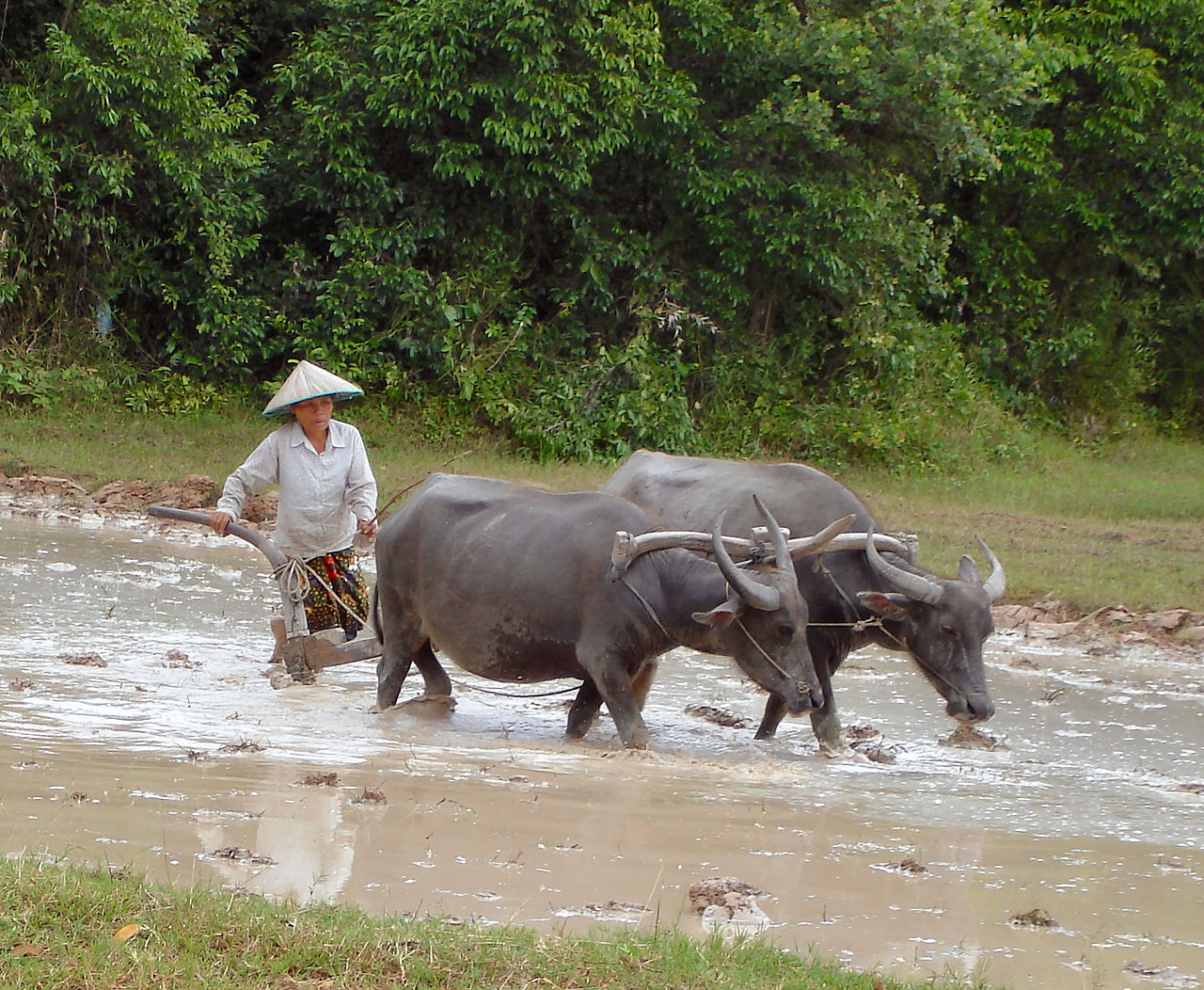
- Draft and transport: in some regions oxen and other cattle are used for plowing and hauling.
- Byproducts and cultural roles: leather, manure for fuel or fertilizer, and ceremonial uses are important in many societies.
Modern production systems range from small mixed farms to specialized industrial operations. Management decisions affect animal welfare, greenhouse gas emissions, land use, and local economies, making cattle a focus of both agricultural policy and environmental debate. For related topics see animals, grasses, and regional native ranges.
Breeds, distinctions, and notable facts
Breeds differ widely in size, coat color, milk yield, and temperament. Terms such as "cow," "bull," "ox," and "calf" denote sex, age, and in some cases function. Some breeds are specialized for dairy production, others for beef, and a few for both. Breeds and management also determine whether animals are horned or polled. Because of their long association with people, cattle appear in art, religion and folklore worldwide; their husbandry continues to shape landscapes and societies. Additional resources: uses and further studies at hoofed animal research archives.
For further reading and technical resources, see entries on livestock biology and agricultural systems linked here: hoof anatomy, ruminant digestion, and breed registries at grazing associations.
Questions and answers
Q: What is cattle?
A: Cattle is a word used to refer to certain mammals that belong to the genus Bos.
Q: What are the different types of cattle?
A: Cattle can be cows, bulls, oxen, or calves (baby cows).
Q: What is a four-chambered stomach in cattle?
A: A four-chambered stomach is an adaptation in cattle to help digest tough grasses.
Q: What is the purpose of horns in cattle?
A: Horns in cattle, which can be either horned or hornless depending on the breed, come out on either side of the head above the ears and are a simple shape, usually curved upwards or down.
Q: What do cows give birth to, and how frequently do they give birth?
A: Cows usually give birth to one calf a year, though twins are also known to be born.
Q: Where are the native regions of cattle?
A: Cattle are native to many parts of the world except the Americas, Australia and New Zealand.
Q: What are the uses of cattle?
A: Cattle are used for milk, meat, transport, and companions.
Tags
Related articles
Author
AlegsaOnline.com Cattle: Domesticated Bovines — Biology, History, and Uses Leandro Alegsa
URL: https://en.alegsaonline.com/art/17663