
Monster: concept in myth, folklore and fiction
An overview of monsters as cultural and literary figures: definitions, common traits, origins in folklore and myth, examples (vampires, witches, werewolves) and their roles in stories and society.
Overview
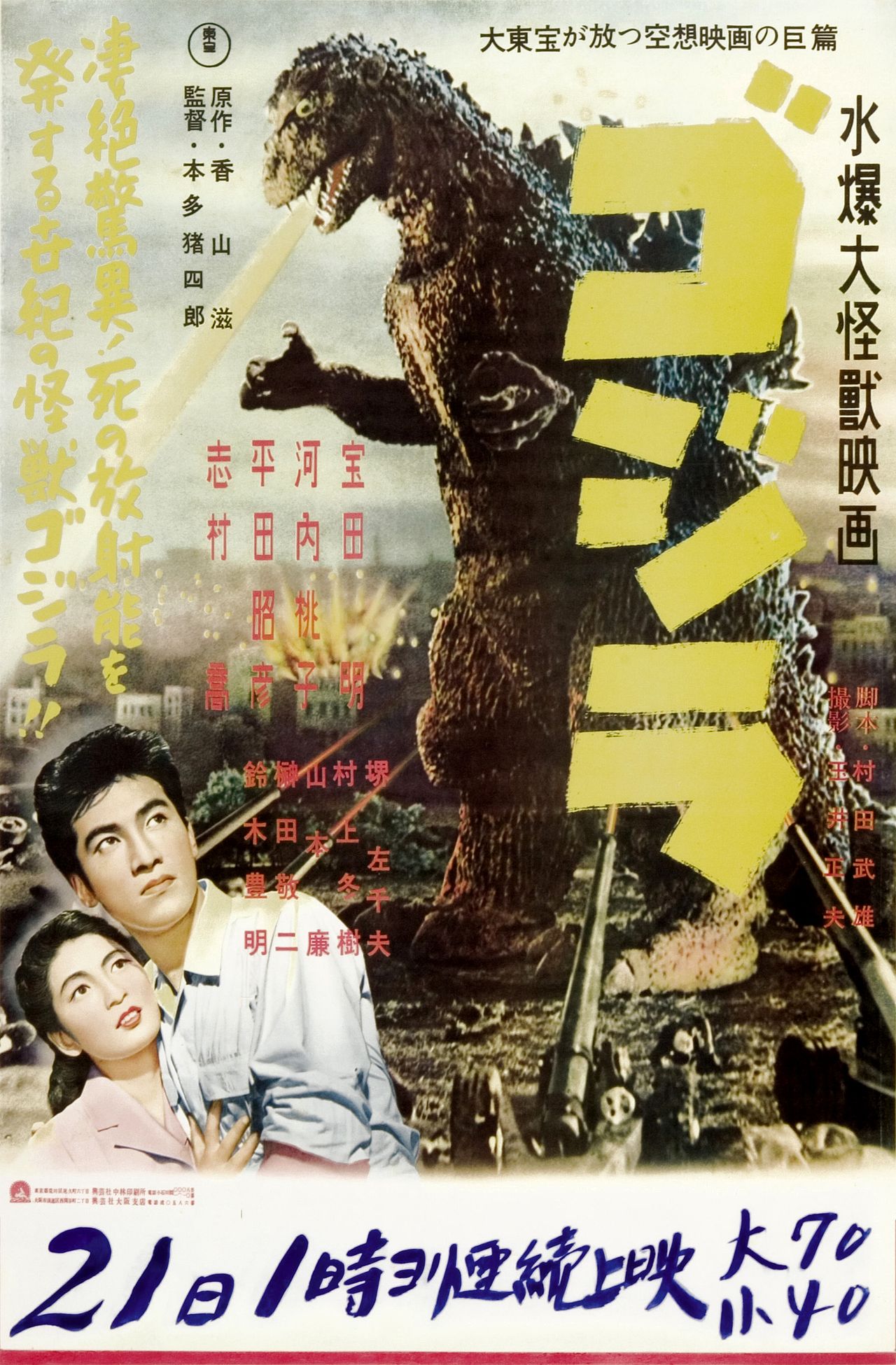
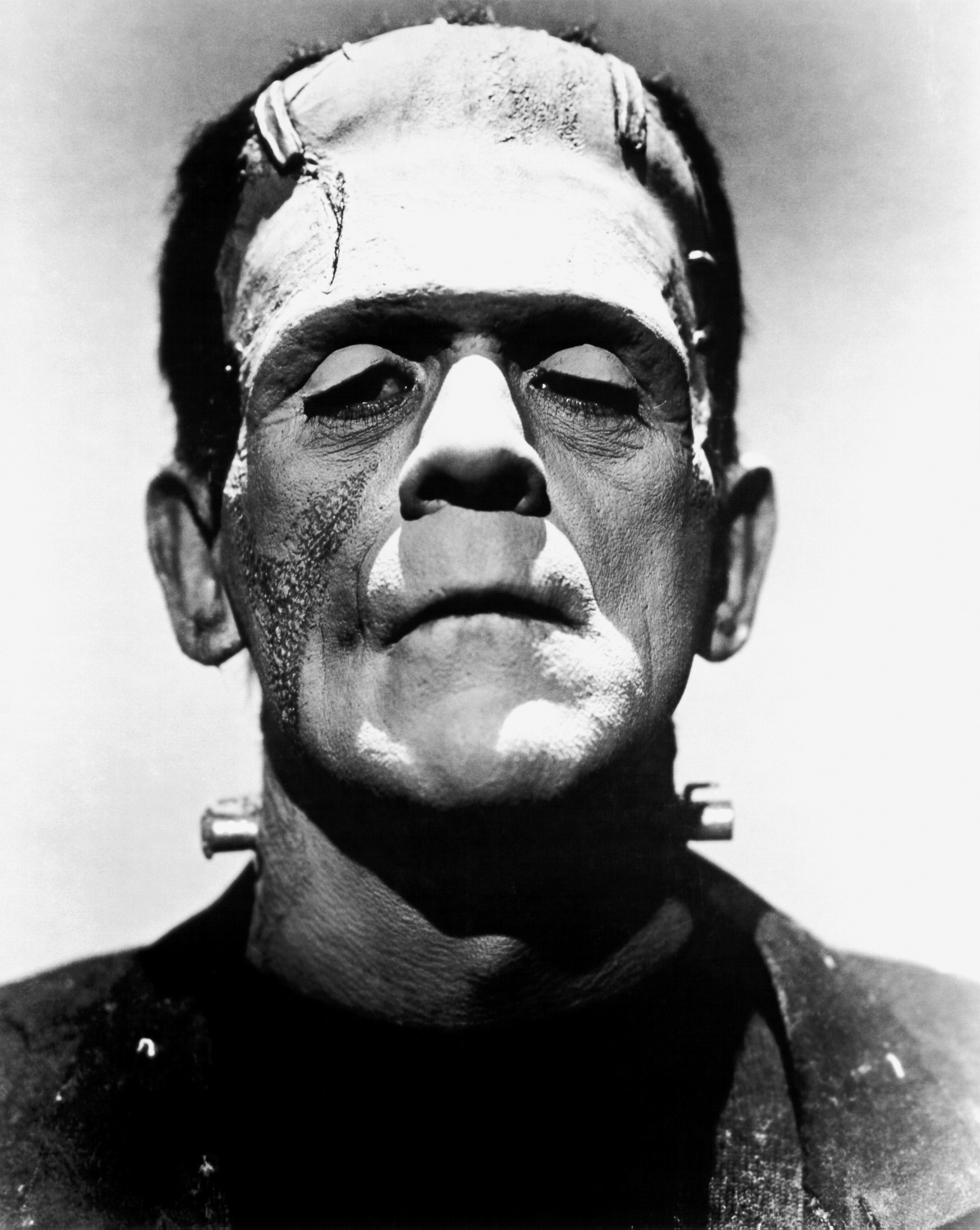
A monster is a broadly used term for a being that evokes fear, wonder, or moral unease in stories and traditions. In literature and popular media the word often describes beings that exceed normal human limits in form, power, or behavior. Writers and audiences encounter monsters across genres, from ancient myths and oral traditions to modern fiction and film.
Image gallery
5 Images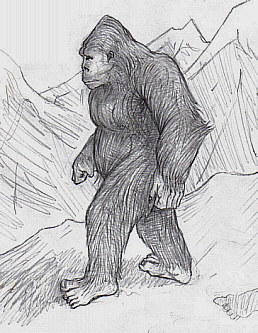


Common characteristics
Monsters are diverse, but several recurring traits appear in many traditions. They may be remarkable in size or appearance, possess unusual abilities, threaten communities, or embody taboos and anxieties. Not every strange creature is labelled a monster; the label often reflects cultural judgement rather than a fixed biological category.
- Physical otherness: deformity, hybrid anatomy, or supernatural features.
- Danger or threat: predation, magic, contagious influence, or violence.
- Symbolic role: representing fears, social order breakdown, or moral lessons.
- Ambiguity: some creatures appear monstrous to some but sympathetic to others.
Types and examples
Folklore and media provide many named examples that show how varied monsters can be. Traditional lists include creatures such as the vampire, figures historically linked to death and the boundary between life and death; the witch, associated with forbidden knowledge or social transgression; and the werewolf, a human who changes into a beast. In many cultures monsters emerge in legends to explain disasters or to teach rules of behavior. In horror and suspense genres they are designed to scare or unsettle audiences.
Origins and development
Monsters have deep roots in human storytelling. They appear in mythic origin tales, religious texts, and oral customs where they functioned as explanations for natural dangers or as personifications of social fears. Over time, the appearance and meaning of monsters shift: what was once literal belief can become metaphor, theatrical spectacle, or a vehicle for exploring identity and ethics in modern media.
Roles and notable distinctions
Beyond being antagonists, monsters often serve as mirrors or foils for human characters. Authors use them to explore otherness, marginalization, or the consequences of hubris. Important distinctions include the difference between a monster (a being categorized as morally or physically other) and a villain (a moral agent acting with malicious intent). Contemporary storytelling increasingly presents sympathetic or complex monsters that challenge simple good-versus-evil readings.
For further reading about how monsters function in different cultural contexts and genres, see works that survey myth and modern narrative theory and follow bibliographies in literary and folklore studies.
Related articles
Author
AlegsaOnline.com Monster: concept in myth, folklore and fiction Leandro Alegsa
URL: https://en.alegsaonline.com/art/66184