
Book: Definition, Structure, History and Uses
Comprehensive overview of what a book is, its structure and formats, historical development from scrolls to codices and print, common uses, production methods, and notable distinctions.
A book is a durable medium for recorded ideas, instructions, stories and images, typically made of multiple pages bound together between covers. In modern usage a "book" most often refers to a printed or digital codex with pages of written or printed content, but the term also applies to blank notebooks and albums intended for writing or collecting. A book brings words and illustrations into a single, portable object that can be read, referenced and preserved.
Image gallery
10 Images

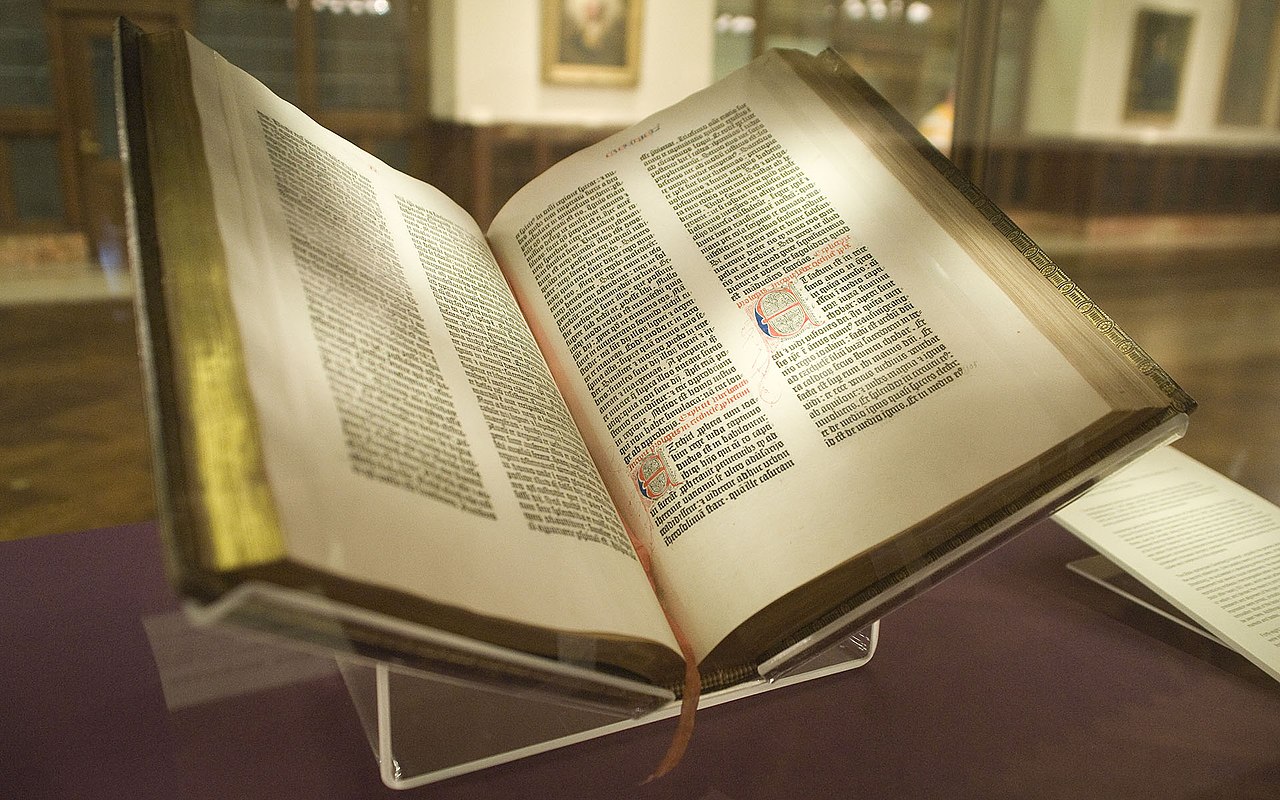


Definition and physical components
At its simplest, a traditional book consists of a collection of sheets — commonly printed or otherwise marked — made from paper or similar materials. Each sheet forms one or two pages, and the content may be written, typeset, or enhanced with illustrations. The person who composes the words is called an author, while anyone who provides artwork is an illustrator. Books have an internal structure of chapters, sections or articles; a single text can be published as a discrete book, or many texts can be gathered into a single volume.
History and development
The form of the book evolved over millennia. Earlier cultures used rolls and scrolls, but the codex — pages stacked and bound along one edge — began to replace scrolls during and after the period of the Roman Empire. The transition from manuscript copying to mechanical printing, especially after the widespread adoption of movable type in the 15th century, made books far more available. Religious and literary works such as the Iliad, the Odyssey, the Bible and the Torah have been transmitted in book form across centuries, illustrating how codification in books shaped cultural memory.
Types, formats and binding
- Hardcover: Rigid boards covered with cloth, paper or leather, often with pages sewn into the spine and a dust jacket for protection.
- Paperback: Flexible bindings where the cover is heavy paper or card and pages are commonly glued to a flexible spine.
- Audiobook: Spoken-word recordings derived from printed texts and distributed on media such as CDs or digital files (audiobooks).
- Blank and specialty books: Items like the diary, address books, sketchbooks or photo albums designed for user input rather than preprinted text.
Uses and social functions
Books serve many roles: they entertain (fiction and leisure reading), educate (school textbooks and reference works), preserve religious and legal traditions, and transmit scientific and artistic knowledge. Reference works such as an encyclopedia are frequently issued as multiple volumes. Books can be borrowed from a library, bought at a bookstore, or produced privately for personal or family use.
Production, distribution and preservation
Book production ranges from handcrafted artisanal binding to large-scale industrial printing. Materials commonly include cardboard for boards and various papers, and covers may be finished in cloth or leather. Binding choices and paper quality affect longevity: sewn bindings generally outlast those that are only glued. Distribution channels include publishers, retailers and digital platforms; libraries and archives play a central role in preserving books for future readers.
Distinctions and notable points
Not every bound set of pages is primarily a "book" in the literary sense; some are functional objects (ledgers, manuals) while others are collectible or artistic. The term also extends metaphorically — for example, a single work taken from a larger corpus may be called a "book" in religious or scholarly contexts. Despite digital alternatives, the book as a format continues to be valued for its portability, longevity and the particular reading experience it affords.
For further reading and related entries see: printing, paper production, writing systems, illustration, ancient book forms, authorship, illustrators, texts, classical epics, Homeric poems, scriptures, religious law, reference works, multi-volume sets, binding board materials, cover finishes, sewing techniques, adhesives, audio editions, libraries, bookshops, journals, entertainment and history.
Questions and answers
Q: What is a book?
A: A book is a set of printed sheets of paper held together between two covers, with words written in them and illustrations drawn.
Q: How did the change from scrolls to books begin?
A: The change from scrolls to books began in the Roman Empire and took many centuries to become complete.
Q: Who are authors and illustrators?
A: An author is someone who writes a book, while an illustrator is someone who draws pictures for it.
Q: What are some examples of texts that can be understood without reading the whole collection of writings?
A: Examples include the Iliad, Odyssey, Bible, Quran and Torah - all of which consist of a number of “religious books” in this sense of the word.
Q: What are hardcover and paperback books?
A: Hardcover books have hard covers made of cardboard that is covered in cloth or leather and sewn together, while paperback books have covers made of stiff paper that is glued together.
Q: How can people make their own books?
A: People can make their own books by writing in them and adding family photos and drawings.
Q: What types of books are there for children?
A: Books for children include those for entertainment as well as textbooks for studying something in school such as math or history.
Related articles
Author
AlegsaOnline.com Book: Definition, Structure, History and Uses Leandro Alegsa
URL: https://en.alegsaonline.com/art/12998