
Orpheus: legendary musician and figure of Greek myth
Orpheus, a central figure of Greek myth, is famed for his music, the journey to recover Eurydice from the Underworld, and his influence on religion, poetry, and later arts.
Overview
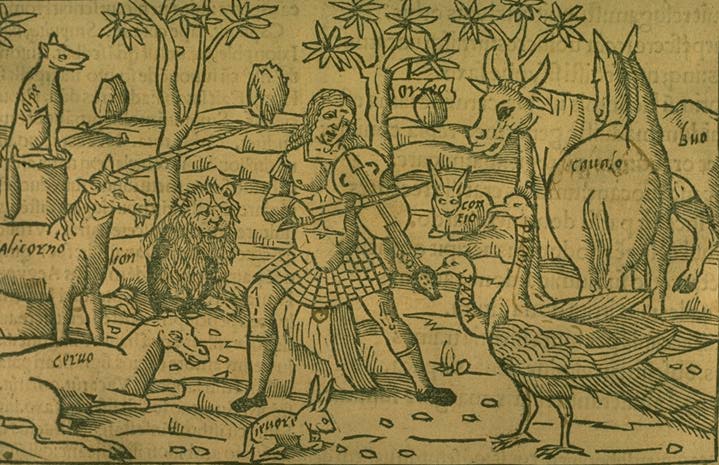
Orpheus is a prominent figure in ancient Greek tradition, celebrated as the greatest musician, poet, and prophet. Accounts vary, but he is commonly described as the son of a Muse (often Calliope) and sometimes linked to the god Apollo. His playing—traditionally on a lyre rather than the modern harp—was said to charm animals, move trees and stones, and even soften the hearts of gods. He appears across poetic and theatrical sources as both a model artist and a liminal figure who crosses the boundary between life and death. For a general context on his mythic setting see Greek mythology.
Image gallery
10 Images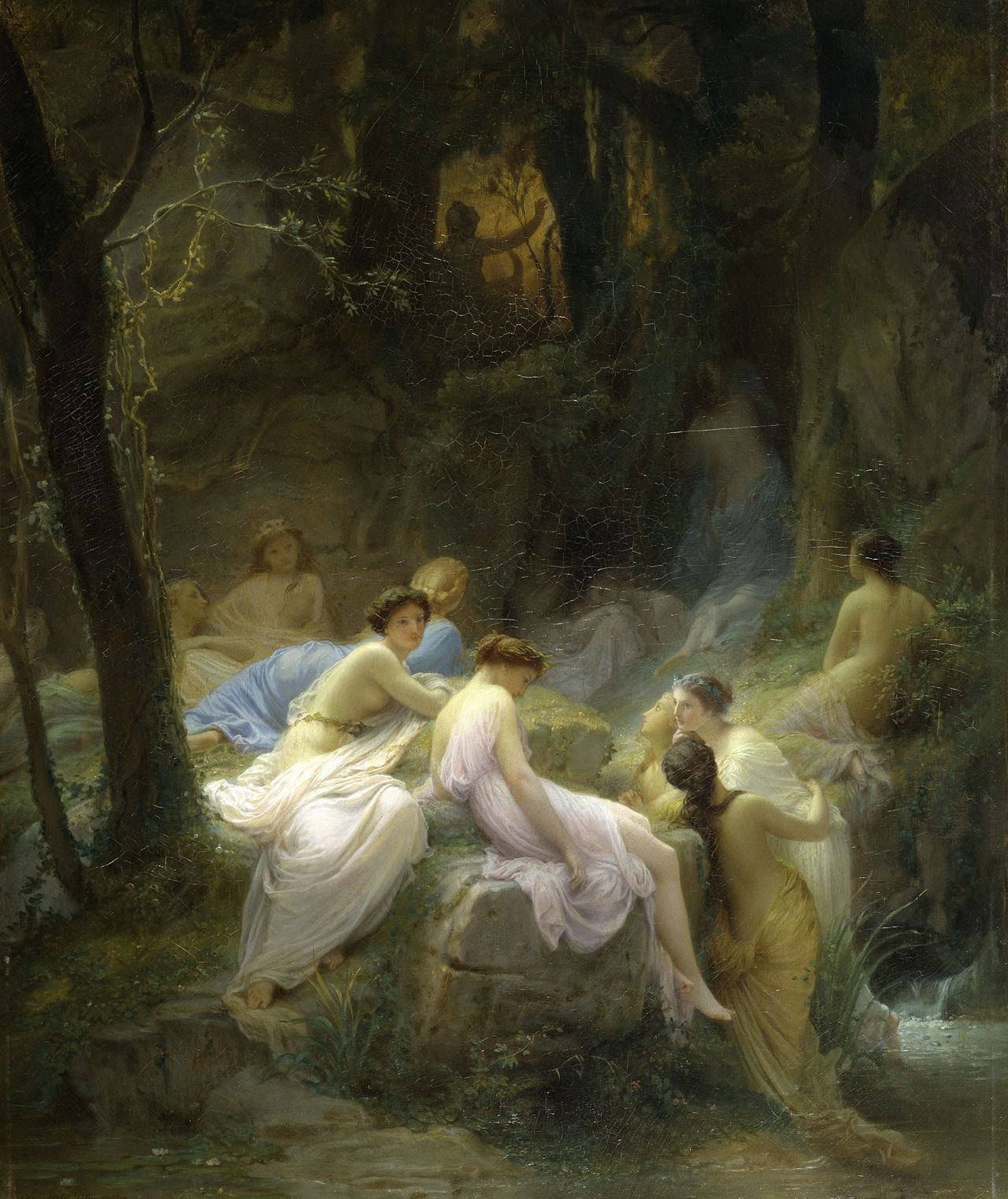


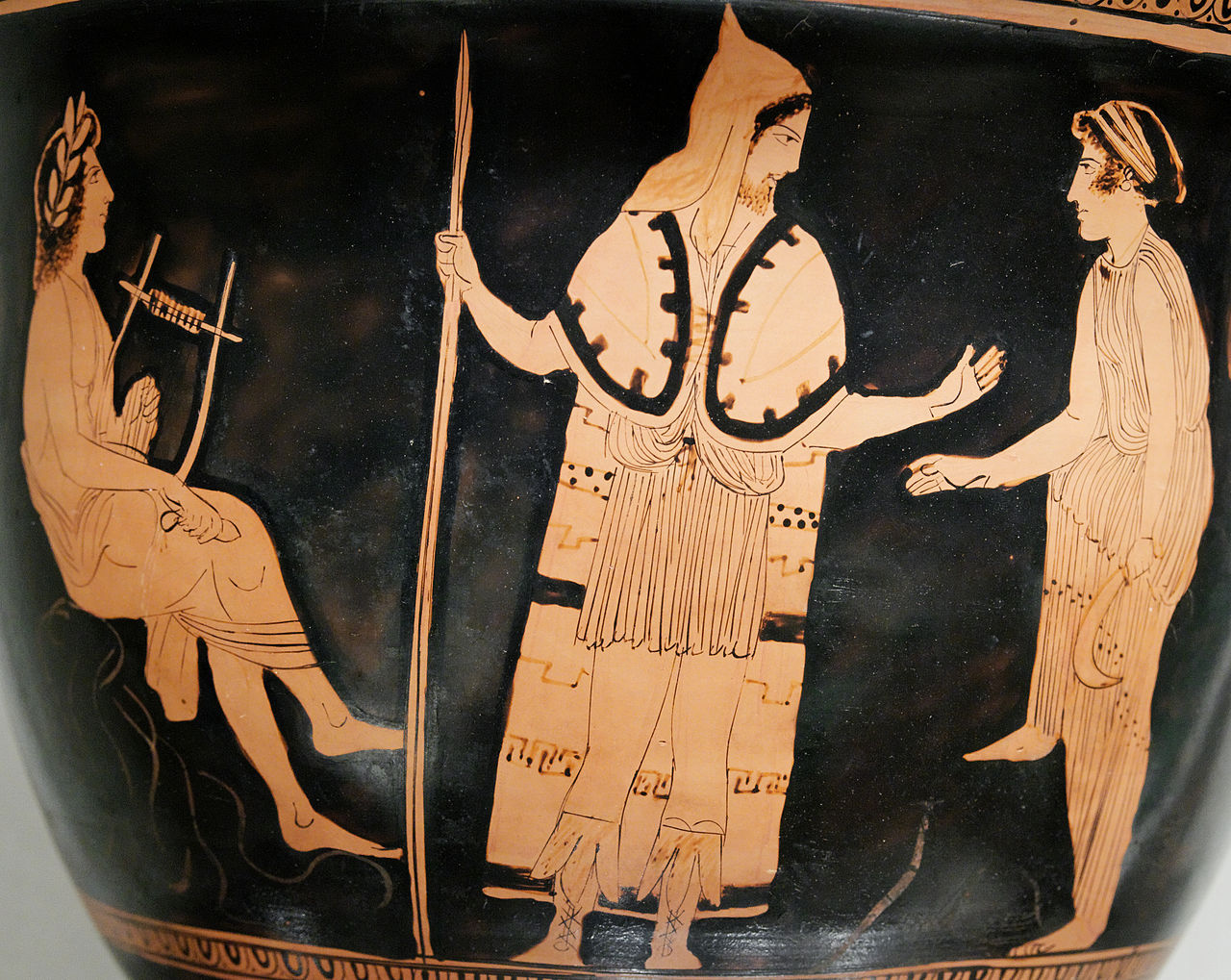



The central myth: Eurydice and the descent
The best-known story about Orpheus concerns his wife Eurydice, often described as a nymph or dryad. After Eurydice is fatally bitten while fleeing a pursuing satyr, Orpheus mourns and descends to Hades to plead for her return. His music pacifies many obstacles: the ferryman of the Styx, the three-headed dog Cerberus, and the rulers of the underworld. Moved by his song, Persephone and Hades allow Eurydice to follow him back on the condition that he not look back until they reach the upper world. In the most familiar version he falters near the exit, glances back, and loses her forever.
Variations, origins, and religious significance
Sources differ on Orpheus's parentage (Muse or Apollo), instrument (lyre commonly), and ultimate fate. Later traditions connect him with Orphism, a set of religious beliefs and rituals that circulated in the ancient world; hymns and poems attributed to him formed a corpus used by initiates. Orphic ideas influenced concepts of the soul, afterlife, and ritual purity in antiquity. Scholars treat the "Orphic" texts and rites as a complex mixture of poetry, myth, and religious practice rather than the literal writings of a single historical figure.
Death and aftermath
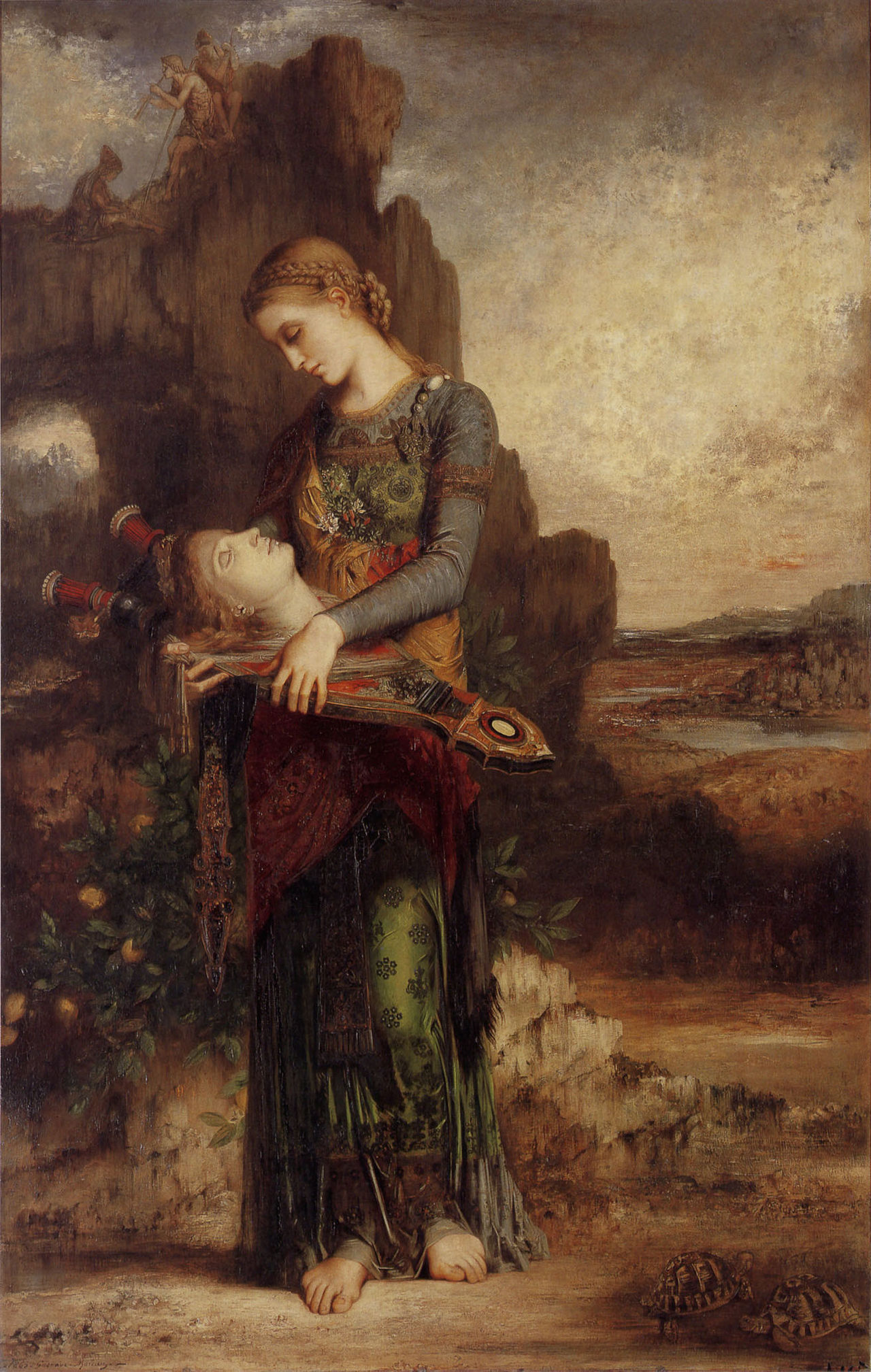
Several accounts record Orpheus's violent death: in many versions he is set upon by frenzied female worshippers called Maenads or by Thracian shepherds. They tear him apart in ritual fury; his head and lyre are said to have been cast into a river or the sea. Even separated from his body, tradition holds, his head continued to sing prophecies and songs until it washed ashore—an image that underlines the persistent power of his art. Different sources place the final scene on islands such as Lesbos and link his legacy to local cults.
Legacy and influence
Orpheus has had a long afterlife in literature, music, and visual art. His story inspired ancient tragedies, Renaissance and Baroque operas (for example works that recall the Orphic descent), Romantic poetry, modern novels, and 20th-century compositions. Artists and thinkers have used him as a symbol of artistic power, the poet's relation to death, and the hope that creative expression can bridge human and divine realms. A non-exhaustive list of Orphean themes and echoes in later culture:
- Artistic sympathy: the belief that music and poetry can alter nature and human feeling.
- Descent motifs: the motif of a journey to the underworld to retrieve a lost beloved or truth.
- Religious and philosophical influence: Orphic literature shaping views of the soul and ritual life.
- Operatic and literary adaptations: frequent retellings from antiquity to modern times.
Notable facts and distinctions
Key episodes often highlighted by scholars include his miraculous calming of wild animals, the fatal glance that cost Eurydice her second life, and the posthumous singing of his severed head. Specific details—such as whether his mother was a particular Muse, whether the instrument was called a lyre or a harp, or whether he was the literal founder of a mystery cult—vary by author and era. For brief entries on names and terms connected to his myth see discussions of the lyre/harp, the Muses, and other figures like satyrs and Cerberus. The Orpheus tradition remains a rich crossroads of myth, religion, and artistic metaphor in Western cultural history.
Further reading and resources can be located through general surveys of classical myth and specialized studies on Orphism and the reception of Orpheus in later art and music; concise summaries are available in standard reference works and musicological treatments of his influence in opera and song. For broader context consult entries on Hades and Persephone as well as accounts of Apollo's role in myth and song (Hades, Persephone, Apollo).
Related articles
Author
AlegsaOnline.com Orpheus: legendary musician and figure of Greek myth Leandro Alegsa
URL: https://en.alegsaonline.com/art/73242