
Pluto (mythology)
Pluto is the Roman god of the underworld and of subterranean wealth; associated with the abduction of Proserpina and with funerary rites, iconography, and later cultural legacy.
Overview
Pluto is the Roman deity who presides over the realm of the dead and the hidden resources beneath the earth. He is often described as the underworld god in Roman mythology and is broadly equivalent to the Greek god Hades. Beyond ruling the afterlife, Pluto came to be associated with wealth because precious metals and gems, such as diamonds and other jewels, were thought to originate in the subterranean world he controlled.
Image gallery
10 Images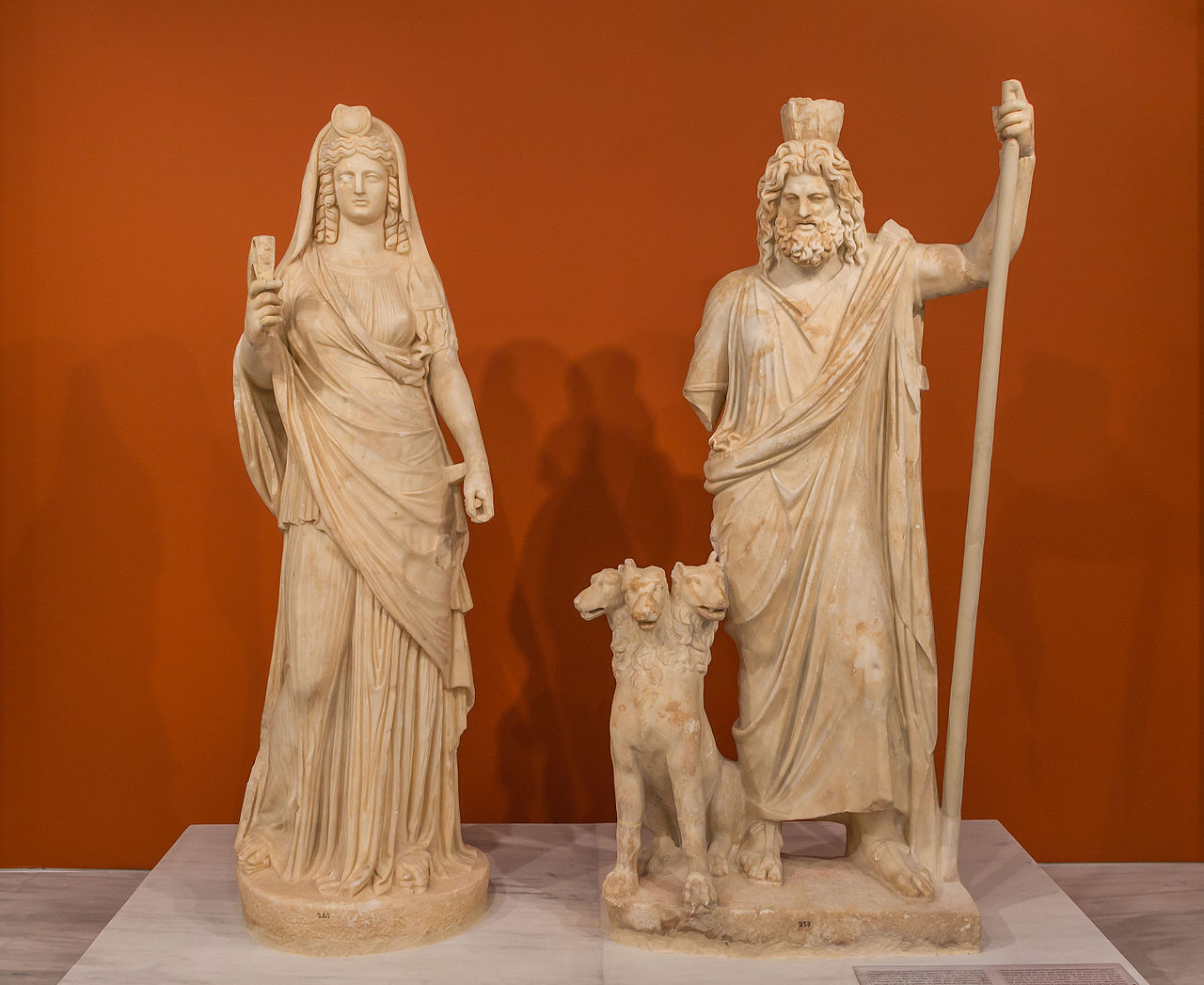


Myth and major stories
The most famous myth about Pluto recounts his taking of Proserpina, daughter of the agricultural goddess Ceres, to be his wife in the underworld. In response to her absence, Ceres prevented the growth of plants across the Earth, causing widespread hardship. The chief god Jupiter intervened and negotiated a compromise: Proserpina would spend part of each year with Pluto and part with her mother. When she remained below, the world fell into winter, and when she returned, it yielded summer, a narrative that ancient Romans used to explain the seasons. Pluto is also commonly depicted with the three-headed dog Cerberus, who guarded entrance to his realm.
Characteristics, names, and worship
Pluto is sometimes conflated with other chthonic figures such as Dis Pater or Orcus; these identifications emphasize his role as a distributor of wealth from below as well as judge or custodian of the dead. In art and literature he can appear stern and distant rather than malevolent, often holding a scepter, keys, or standing beside his bride Proserpina. While major public cults to Pluto were limited compared with those for gods of city life and agriculture, he featured in funerary rites, mystery traditions, and in Roman religious formulae for honoring the dead.
Historical development and cultural impact
The figure of Pluto reflects a blending of native Italic beliefs and Greek myth following cultural contact and adaptation. Roman poets and dramatists adopted and reworked Greek narratives, while creating distinctive local emphases—most notably the close association between the underworld and subterranean riches. Classical authors such as Virgil and Ovid retold and expanded the stories of Pluto and Proserpina, and the imagery persisted through medieval and Renaissance art as a symbol of death, the afterlife, and hidden wealth.
Iconography and notable distinctions
In visual representations Pluto may be shown with a dark robe, a sceptre, a key, and the hound Cerberus; less commonly he is given attributes like a horn of plenty to underline his role as lord of riches. Unlike purely punitive figures of the underworld, Pluto often embodies a dual character: both ruler of the dead and benefactor whose realm produces precious minerals. This ambivalence distinguishes him from harsher underworld deities in other traditions.
Modern references
Pluto's name was later applied beyond mythology. The distant body discovered in the 20th century was named the dwarf planet Pluto, after the god, reflecting the tradition of naming astronomical objects for classical deities. Scholarly and popular discussions continue to explore Pluto's role in Roman religion and literature, and his stories remain a common touchstone in art, opera, and education about classical myths. For further reading and resources see: additional materials.
- Key figures: Pluto, Proserpina, Ceres, Jupiter, Cerberus.
- Main themes: death and afterlife, seasonal cycle, subterranean wealth.
- Related topics: Hades (Greek counterpart), Dis Pater, Roman funerary practice.
Related articles
Author
AlegsaOnline.com Pluto (mythology) Leandro Alegsa
URL: https://en.alegsaonline.com/art/77517