
Mountain: Definition, Formation, Types, and Importance
Comprehensive overview of mountains: definitions, how they form, measurement and classification, ecosystems, human uses, hazards and notable examples.
A mountain is a large natural rise of the Earth's surface that typically culminates in a summit or peak. Mountains are generally steeper and higher than hills, but there is no single global threshold that separates the two: some definitions use about 600 metres (2,000 feet) of local relief, while others accept lower values such as 300 metres (1,000 feet). Cultural, legal and scientific traditions all influence how the term is applied in different regions. The highest point on a mountain is commonly called its summit or peak.
Image gallery
10 Images


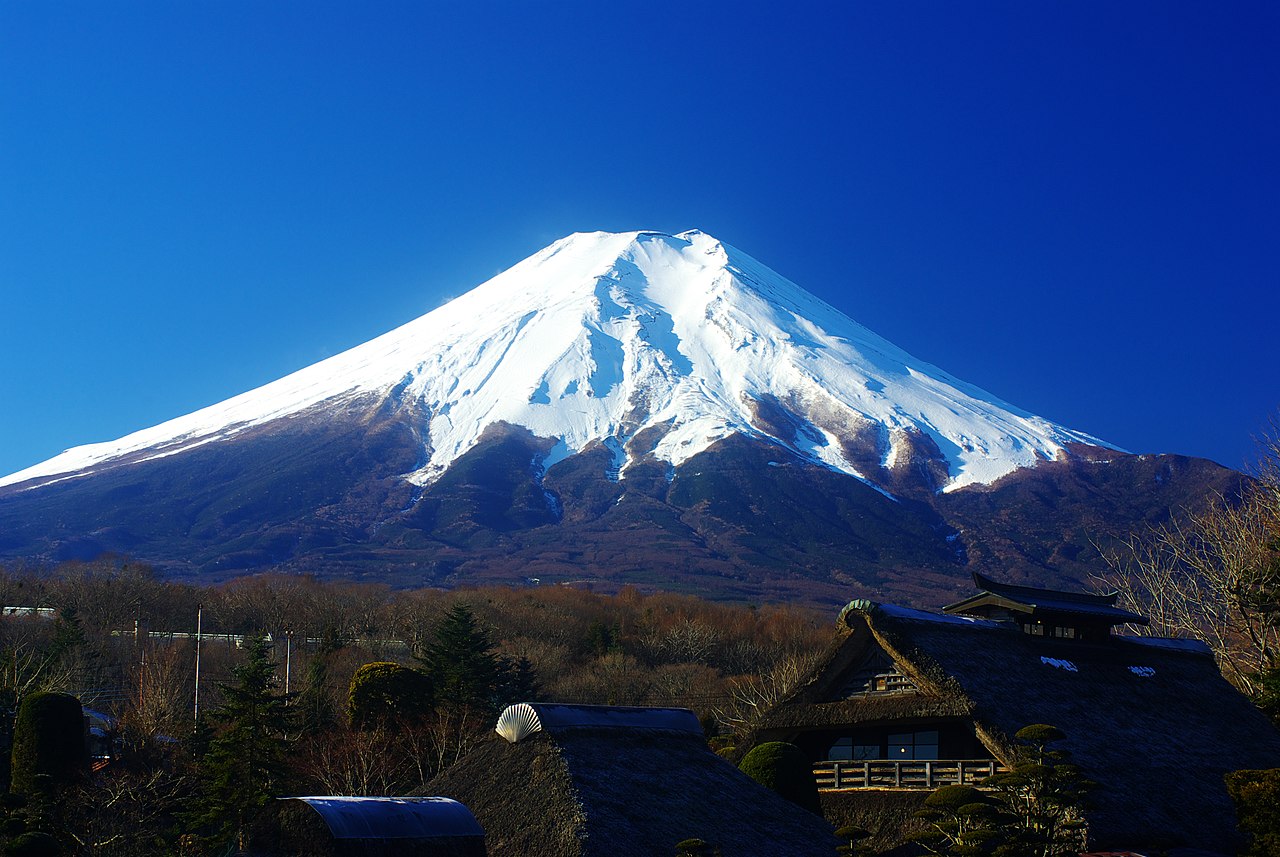
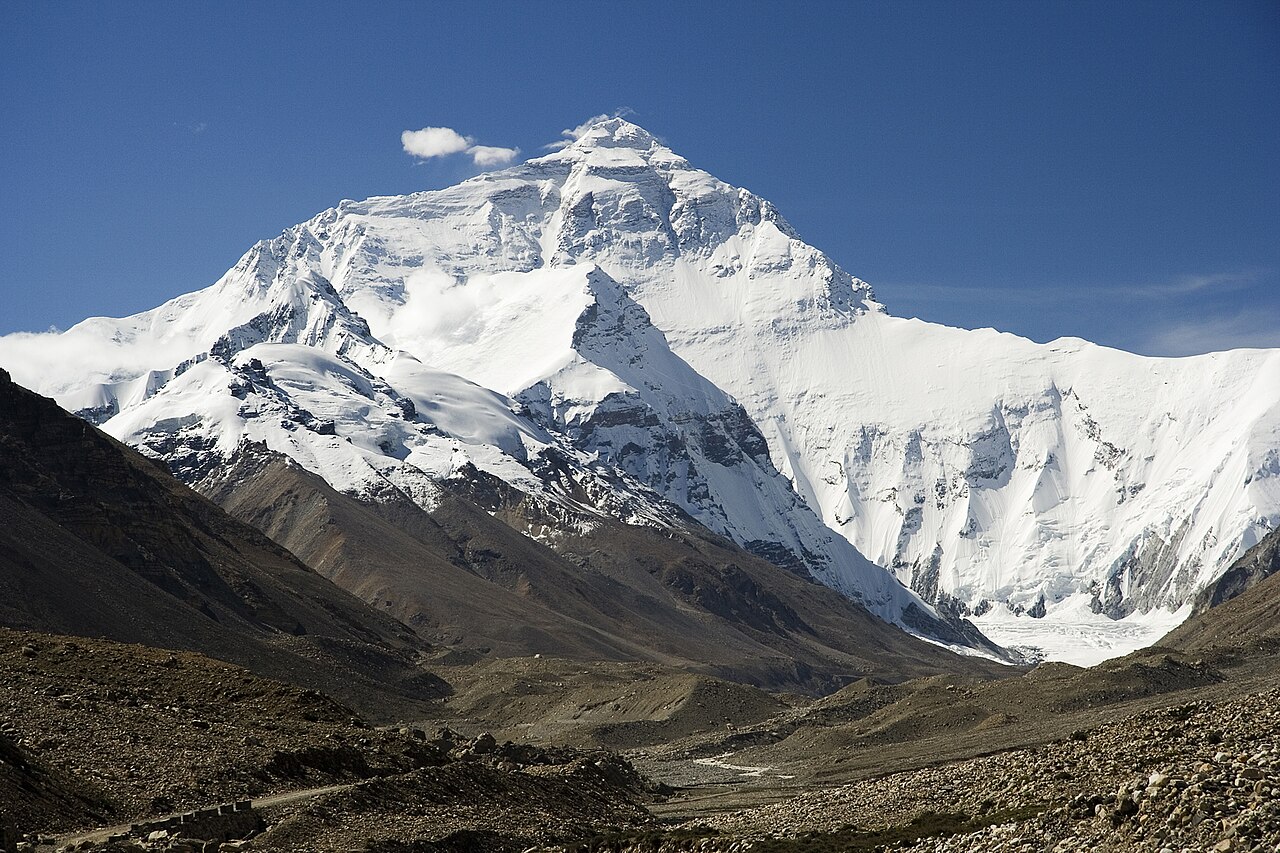



Characteristics and measurement
Key characteristics used to describe and compare mountains include elevation (height above sea level), prominence (the height of a summit relative to the lowest contour encircling it and no higher summit), isolation (distance to the nearest point of equal elevation) and slope gradient. Maps and terrain models help measure these attributes, and different disciplines emphasize different measures: mountaineers often focus on prominence and technical difficulty, while geographers may emphasize elevation and range position.
How mountains form
Mountains form by a variety of geological processes, most driven by the dynamics of the solid Earth. Major mechanisms include:
- Plate tectonics and folding: Convergent plate boundaries compress and fold crustal rocks, creating large mountain belts such as the Himalaya and the Alps.
- Volcanism: Repeated eruptions build volcanic cones and stratovolcanoes that rise above the surrounding terrain.
- Faulting and block uplift: Tensional or compressional faults can uplift blocks of crust to form ranges and escarpments.
- Uplift and differential erosion: Regional uplift combined with long-term erosion can leave resistant rock as rugged peaks and ridges.
Climate, ecosystems and resources
Mountains produce strong changes in climate and vegetation with altitude, a pattern known as altitudinal zonation. As elevation increases, temperature generally falls and precipitation patterns change, creating distinct ecological bands from forests to alpine meadows and permanent snow or ice at the highest levels. These zones support specialized and often endemic species. Mountains are also important water towers: snow and glacier melt feed rivers that supply downstream agriculture and communities. They contain mineral resources, timber and grazing lands, and provide sites for renewable energy in some regions.
Human uses, cultural importance and hazards
People use mountains for transport corridors, mineral extraction, recreation (hiking, climbing, skiing) and spiritual or cultural purposes. Many societies assign religious or symbolic meaning to particular peaks. Mountains also pose hazards: avalanches, landslides, rockfalls, debris flows, flash floods and volcanic eruptions can threaten settlements. Rapid environmental change — including warming that reduces snow and glacier cover — affects water availability, ecosystems and natural hazard regimes.
Classification and notable examples
Mountains occur singly, in ranges (chains of peaks), massifs (compact groups) and volcanic fields. Regional lists and mountaineering guides often apply local criteria to name and rank mountains. The Himalaya contain the highest summits on Earth above sea level, with Mount Everest widely recognized as the planet's highest point. Other major mountain systems include the Andes, the Rockies and the Alps, each shaped by different tectonic histories.
Understanding mountains requires input from geology, climatology, ecology, geography and cultural studies. For general terms and further introductory material see links on rise, the Earth surface, the summit, the distinction from a hill and regional definitions.
Questions and answers
Q: What is a mountain?
A: A mountain is a natural rise of the Earth's surface that usually has a summit or peak.
Q: How is a mountain different from a hill?
A: A mountain is usually steeper and taller than a hill.
Q: What is the definition of a mountain according to some sources?
A: Some definitions say that a mountain is a hill higher than 300 meters or about 1,000 feet.
Q: What is the minimum height of a mountain according to most definitions?
A: Most definitions state that a mountain is higher than 600 meters or about 2,000 feet.
Q: What is a summit?
A: A summit is the name for a mountain's top or peak.
Q: Are all natural rises of the Earth's surface considered mountains?
A: No, not all natural rises are considered mountains. There are certain height requirements that have to be met for a rise to be called a mountain.
Q: What are some characteristics of mountains?
A: Mountains are usually steep and tall and have a summit or peak.
Related articles
Author
AlegsaOnline.com Mountain: Definition, Formation, Types, and Importance Leandro Alegsa
URL: https://en.alegsaonline.com/art/67149
Sources
- britannica.com : "Mountain -- Britannica Student Encyclopedia"
- polytechnic.com : "Mountain -- Polytechnic Student Encyclopedia"
- books.google.com : CliffsQuickReview Earth Science
- books.google.com : Science of Earth Systems