
Rock music: history, characteristics, subgenres and cultural impact
A comprehensive overview of rock music: its origins, musical traits, major subgenres, cultural significance and lasting influence on youth and social movements.
Overview
Rock music is a broad category of popular music that emerged from mid-20th-century developments in the United States and quickly spread worldwide. Its earliest roots can be traced to rock and roll, a style that synthesized elements of African American rhythm and blues and white country traditions. Influences from rhythm and blues, country, blues and folk gave rock a hybrid character, while performers and arrangers often drew on techniques from jazz and even classical music to expand its expressive range. Over time rock developed into many distinct styles while retaining a common connection to popular song forms and guitar-centered ensembles.
Image gallery
10 Images





Musical characteristics
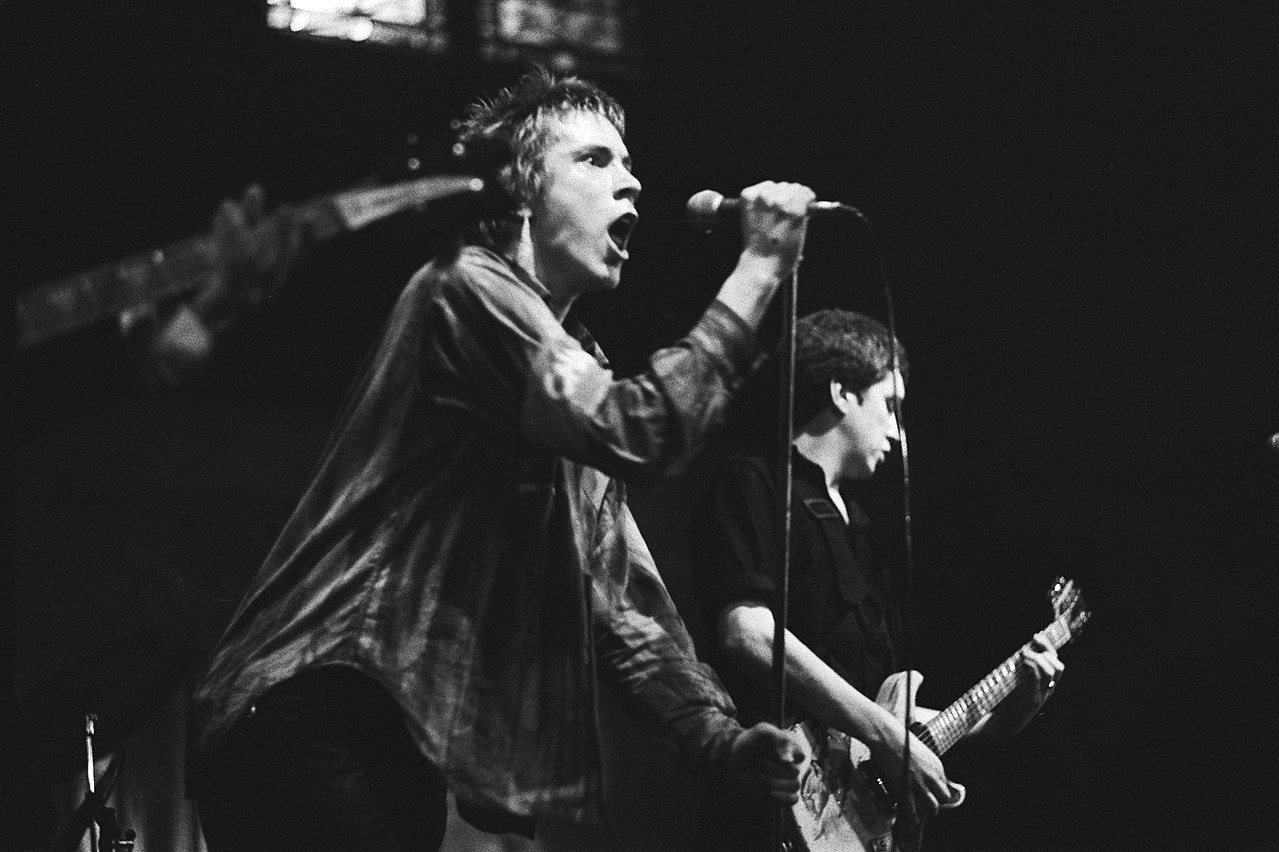
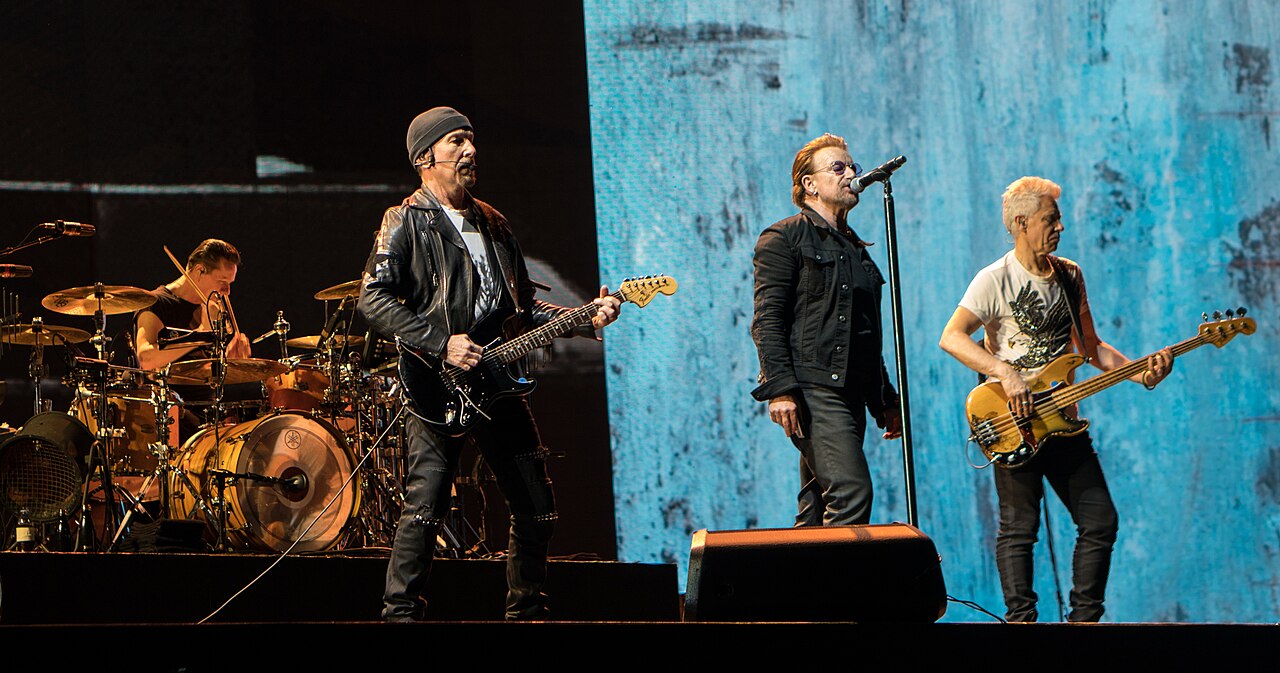
At its most recognizable, rock emphasizes amplified instruments and a strong backbeat. Typical lineups feature the electric guitar, bass guitar and drums, often supported by keyboards or extra guitars. Rhythmically it commonly uses a steady 4/4 time feel and accessible structures such as the verse–chorus form, although many artists have experimented with unusual meters and extended arrangements. Because rock grew from band traditions its instruments and arrangements vary widely (instrumentation), but the style places emphasis on performance, guitar timbre and a sense of immediacy. Lyrically, rock songs frequently address personal relationships and romantic themes, but they can also confront social issues and political concerns, distinguishing themselves from mainstream pop music by a perceived emphasis on authenticity and live energy.
History and development
After the birth of rock and roll in the 1940s and 1950s, the 1960s and early 1970s saw a rapid diversification in style. Musicians experimented with hybrid forms that mixed traditional blues, folk and country approaches to create substyles such as folk rock and country rock, while adventurous players fused jazz improvisation into jazz–rock fusion. The social upheavals of the era, often linked to the broader counterculture, catalyzed the psychedelic branch of rock (psychedelic rock) which in turn influenced the emergence of more ambitious, art-oriented approaches like progressive rock. Other strands emphasized image and spectacle, as with glam rock, or focused on intensity and volume, exemplified by early heavy metal.
Subgenres, reactions and later trends
By the mid-1970s, a reaction to perceived excesses in length and complexity led to the stripped-down energy of punk rock, which foregrounded speed, short songs and often sharp political commentary. Punk opened a path to many offshoots and related movements: some artists moved toward synth-based pop or artier post-punk forms, and the 1980s saw the rise of alternative rock as a label for rock that stood apart from major-label pop. In the 1990s alternative music achieved mainstream prominence through styles such as grunge and the guitar-pop of Britpop, while independent scenes produced diverse strands labeled indie rock. Cross-genre blending produced accessible hybrids like pop punk and fusions with hip-hop such as rap rock and rap metal. Revivalist impulses also returned to raw aesthetics in garage rock and post-punk revivals, often alongside renewed interest in electronic textures.
Cultural impact and social role
Beyond musical forms, rock has been a vehicle for broader cultural expression, shaping identities, fashion and youth subcultures. In the 1960s a distinct countercultural milieu associated with the hippie movement centered in places such as San Francisco helped turn concerts into communal events and music into a forum for social change. Subsequent scenes gave rise to other subcultures—punk scenes fed into the emergence of styles sometimes labeled goth and emo—each with its own aesthetics and social networks. Rock's relationship to political expression is long-standing: from the tradition of the protest song to artists engaging in organized political activism, rock has often provided both soundtrack and platform for political messages.
Notable distinctions and legacy
Rock is frequently associated with youth culture and, in broad terms, with a spirit of youth confrontation or revolt against social norms, though its participants and themes are diverse. Its legacy includes an extensive recorded canon, technical innovations in instrument amplification and studio practice, and an enduring influence on global popular music. While the commercial landscape and distribution channels have changed, rock's emphasis on band dynamics, live performance and a connection between musical technique and cultural identity remain central to how the style is understood and practiced today.
- Origins and influences: rock and roll, R&B, country
- Key instruments: electric guitar, bass, drums
- Important movements: psychedelic, progressive, metal, punk
- Later fusions and revivals: pop punk, rap rock, garage
Questions and answers
Q: What is rock music?
A: Rock music is a genre of popular music that developed during and after the 1960s in the United States. It has influences from jazz, classical, and other music genres, and it mostly uses the electric guitar as part of a rock group with bass guitar and drums.
Q: How did rock music develop?
A: Rock music originally started in the 1940s and 1950s with the start of rock and roll, which grew out of rhythm and blues and country music. By the late 1960s, a number of different below-genres had come out, including hybrids like blues rock, folk rock, country rock, and jazz-rock fusion. From these forms came psychedelic rock. New genres that emerged later included progressive rock, glam rock and heavy metal. Punk caused other below-genres to come about into the 1980s such as New Wave, post-punk and eventually alternative rock movement. From the 1990s onwards alternative rock became increasingly popular leading to grunge, Britpop, indie rock etc.
Q: What kind of themes are found in lyrics for most types of Rock Music?
A: Most types of Rock Music lyrics are mostly about "romantic love", but they can also have social or political themes too.
Q: How does Rock Music differ from Pop Music?
A: Unlike pop music which focuses on commercial success through catchy tunes often lacking musical skill or live performance value; Rock Music focuses on musical skill as well as live performance value while attempting to be more real than pop music.
Q: What type of cultural movements were influenced by Rock Music?
A: Cultural movements influenced by Rock Music include mods & amp;rockers in UK & hippie culture in US during 60's & 70's punk culture led to goth & emo subcultures while protest songs have been used to express political activism against adult consumerism & conformity throughout history .
Q: What are some examples of hybrid genres within Rock Music?
A: Examples of hybrid genres within Rock Music include blues-rock ,folk-rock ,country-rock ,jazz -fusion ,psychedelic -rock ,progressive -rock ,glam -rock & heavy metal .
Related articles
Author
AlegsaOnline.com Rock music: history, characteristics, subgenres and cultural impact Leandro Alegsa
URL: https://en.alegsaonline.com/art/83529