
Rebellion: causes, forms, historical examples, and consequences
A concise overview of rebellion: refusal of authority, its causes and types (armed and nonviolent), notable historical examples, distinctions from related terms, and typical outcomes.
Overview
A rebellion is an organized refusal to accept authority or laws, often involving collective action and sometimes armed resistance. The term commonly describes groups—rebels—who challenge a ruling power, whether that power is a government, a military command, or another form of control. For a general definition and basic descriptions, see relevant overview.
Image gallery
5 Images


Forms and common causes
Rebellions take many shapes. They can be violent or nonviolent, localized or widespread, short-lived or part of prolonged unrest. Typical motives include political exclusion, economic hardship, ethnic or religious persecution, forced labor or slavery, and disagreement with policy or succession. Individuals involved may be citizens of a state (see context) seeking to change leadership or social order, or groups pursuing autonomy or secession (secession link).
- Armed uprisings: organized military resistance aiming to overthrow or displace an authority, sometimes transforming into a civil war.
- Slave and bonded-labor rebellions: efforts by enslaved people to resist captors and seek freedom; historical leaders are frequently studied for their roles and legacies, including figures linked in scholarship such as Spartacus and Nat Turner.
- Nonviolent rebellions: civil disobedience, strikes, and mass protest movements that refuse to comply with laws or orders yet avoid armed conflict.
- Secessionist revolts: uprisings aimed at separating a region or population from a larger political unit.
Historical development and examples
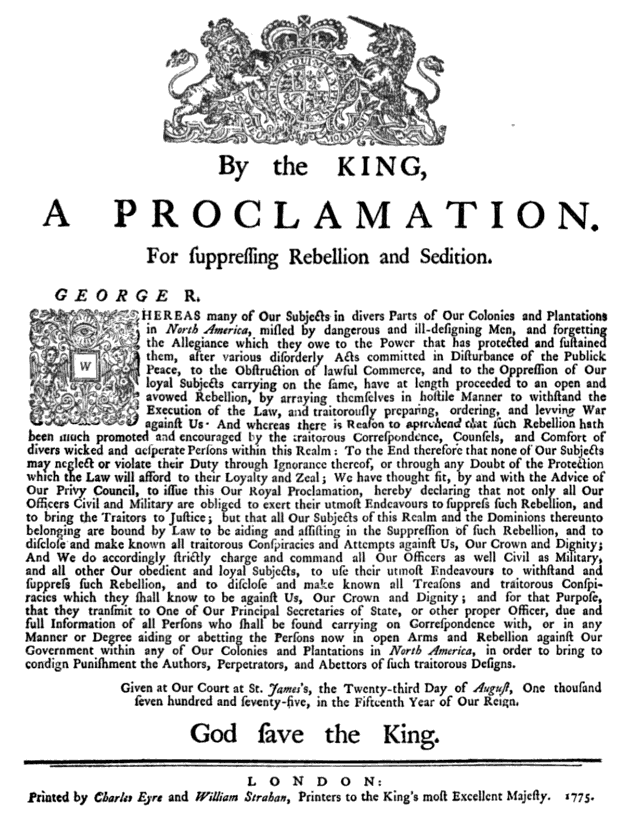
Rebellion has been a recurring feature of human political life. In many premodern polities, tensions between central rulers and regional elites produced periodic revolts; historical China experienced cycles of fragmentation and insurrection among rival lords, an episode discussed in broader histories of Chinese state development (China link). Other well-known episodes include the slave revolts of antiquity and the Americas, large-scale revolutionary movements such as the American and French Revolutions, and 19th-century uprisings tied to abolitionism and national independence.
Consequences and important distinctions
Outcomes of rebellions vary widely. Some end in repression, others in negotiated reform, and a few succeed in replacing a regime or winning independence. It is important to distinguish rebellion from related concepts: an insurrection or uprising may be short and local; a revolution implies deep structural change; a coup d’etat is typically a rapid seizure of power by a small group, often within the state apparatus. Rebellions can also be a route to secession or the trigger for broader civil war dynamics (government takeover context, trust and legitimacy issues).
Why rebellions matter
Studying rebellions helps explain how societies respond to perceived injustice, how political authority is maintained or overturned, and how social change unfolds. They illuminate interactions among leadership, legitimacy, and grievances, and they often reshape law, institutions, and memory in the societies affected. For additional context and comparative discussion, consult further readings and resources (citizenship context, overview, legitimacy, secession).
Related articles
Author
AlegsaOnline.com Rebellion: causes, forms, historical examples, and consequences Leandro Alegsa
URL: https://en.alegsaonline.com/art/81528