
Rock and Roll: Origins, Characteristics, and Cultural Impact
Rock and roll is a popular music style that emerged in mid-20th-century America, blending rhythm and blues, country, gospel and other traditions and shaping global youth culture and popular music.
Rock and roll is a popular music style that emerged in the United States in the mid-20th century and quickly spread internationally. It is built from a mix of earlier traditions and is often identified by a strong backbeat, electric guitar prominence, and an emphasis on youth-oriented themes. For a general overview of the wider genre, see rock music.
Image gallery
10 Images


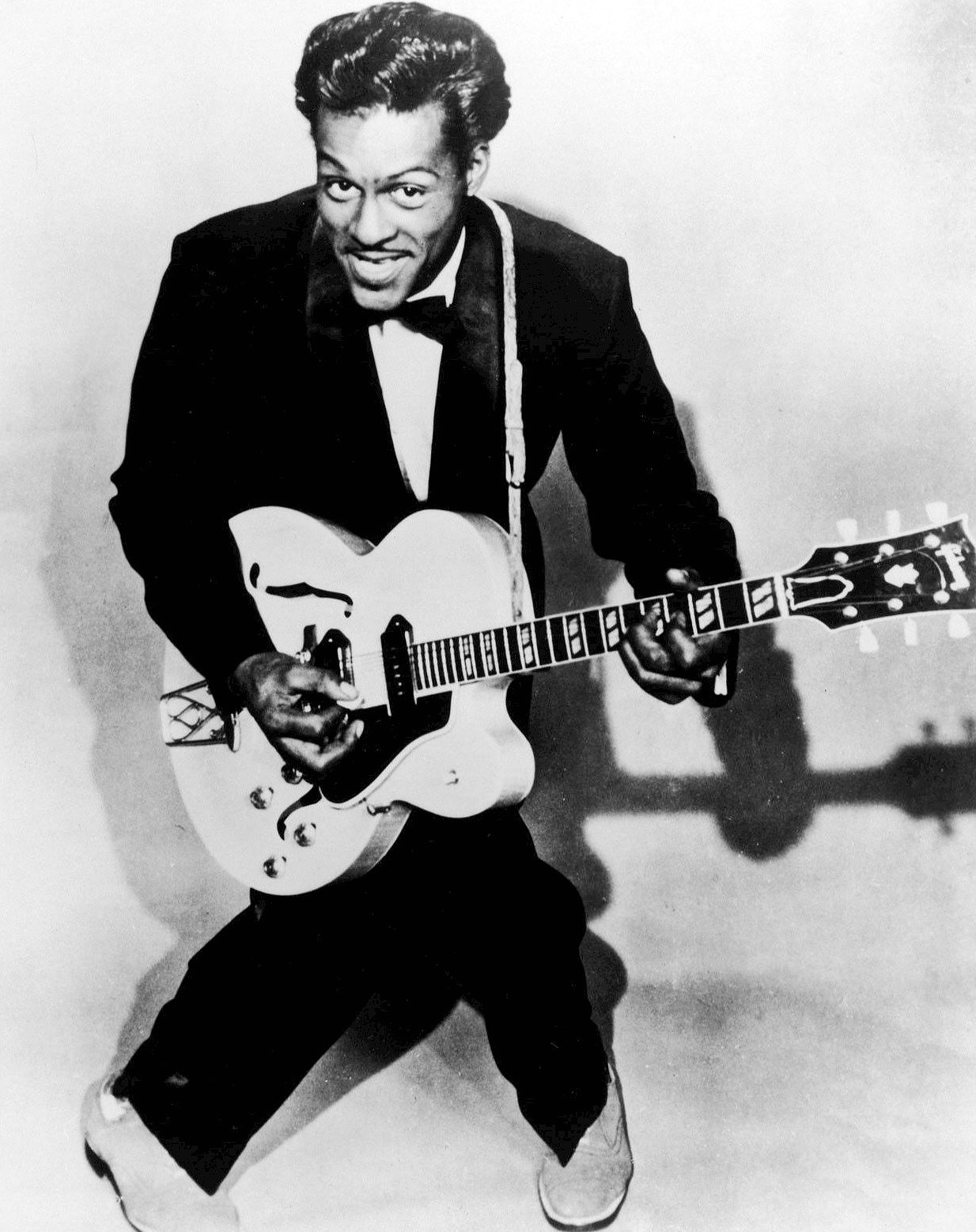


Characteristics and musical roots
Musically, rock and roll draws on diverse sources. Important influences include long-standing American traditions such as country music, folk music, and gospel music, as well as work and communal song forms like work songs. The blues and jazz contributed melodic and harmonic elements: see blues and jazz. These building blocks combined with electric instrumentation and studio recording techniques to produce the distinctive sound of rock and roll.
Early development and history
Rock and roll grew out of rhythm and blues and similar urban styles performed and developed by African-American musicians. Early rhythm-and-blues traditions are often grouped under the label rhythm and blues. Performers and bands led by African-American artists and musicians played a central role in shaping the music. In the 1950s the style reached broader audiences across the United States and, by the 1960s, influenced popular music in Europe and elsewhere. Well-known early figures include artists who brought the sound to mass audiences and inspired successive generations.
Forms, examples and cultural role
Rock and roll appears in many forms, from stripped-down piano-and-guitar songs to ensemble-driven dance numbers. Typical instrumentation includes electric guitar, bass, drums and often piano or saxophone. Lyrics frequently address adolescence, rebellion, love, and social change. The style also laid the groundwork for many later rock subgenres and scenes—punk, hard rock, pop-rock and others—each adapting core elements in different directions.
Distinctive facts and legacy
Beyond musical traits, rock and roll had a large cultural significance: it helped define modern youth identity, affected fashion and language, and shaped the record industry and live performance practices. Its hybrid origins—melding Black and white American musical forms—make it a key example of cultural exchange in popular music. For broader context and resources consult general articles and collection overviews linked above.
Questions and answers
Q: What is rock and roll?
A: Rock and roll is a form of rock music developed in the 1950s and 1960s that combines many kinds of music from the United States, such as country music, folk music, gospel music, work, blues and jazz.
Q: Where did rock and roll originate?
A: Rock and roll originated from a kind of music called rhythm and blues performed by black singers and musicians.
Q: When did rock and roll become popular?
A: In the later 1950s and in the 1960s, rock and roll became popular across the United States and in Europe.
Q: Who was originally listening to this type of music?
A: At first, this type of music was only popular with African-Americans.
Q: What other types of musical genres are combined to make up rock & roll?
A: Rock & Roll combines many kinds of musical genres from the United States such as country music, folk music, gospel music, work songs, blues & jazz.
Q: How long has rock & roll been around for?
A: Rock & Roll has been around since it developed in the early 1950s.
Related articles
Author
AlegsaOnline.com Rock and Roll: Origins, Characteristics, and Cultural Impact Leandro Alegsa
URL: https://en.alegsaonline.com/art/83506
Sources
- voanews.com : website