
San Francisco: Overview, History, Geography, and Culture
A concise encyclopedia article on San Francisco covering its geography, history, economy, culture, and notable landmarks, with contextual links to related topics.
Overview
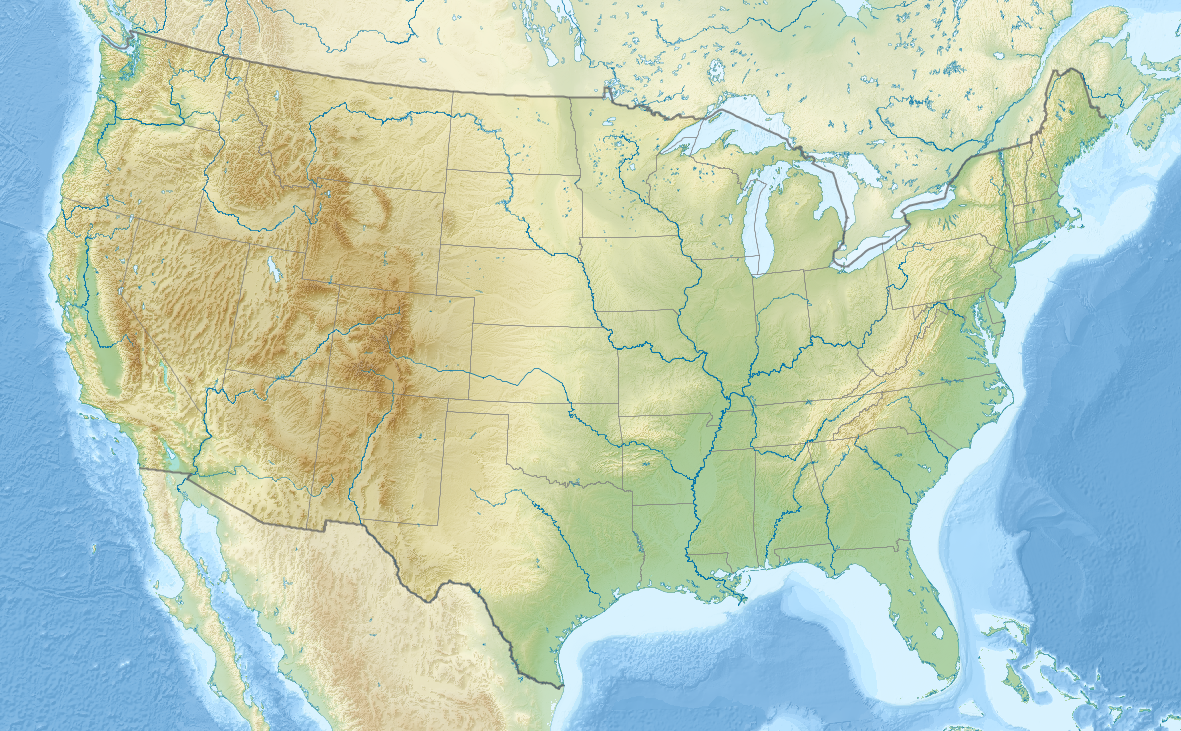
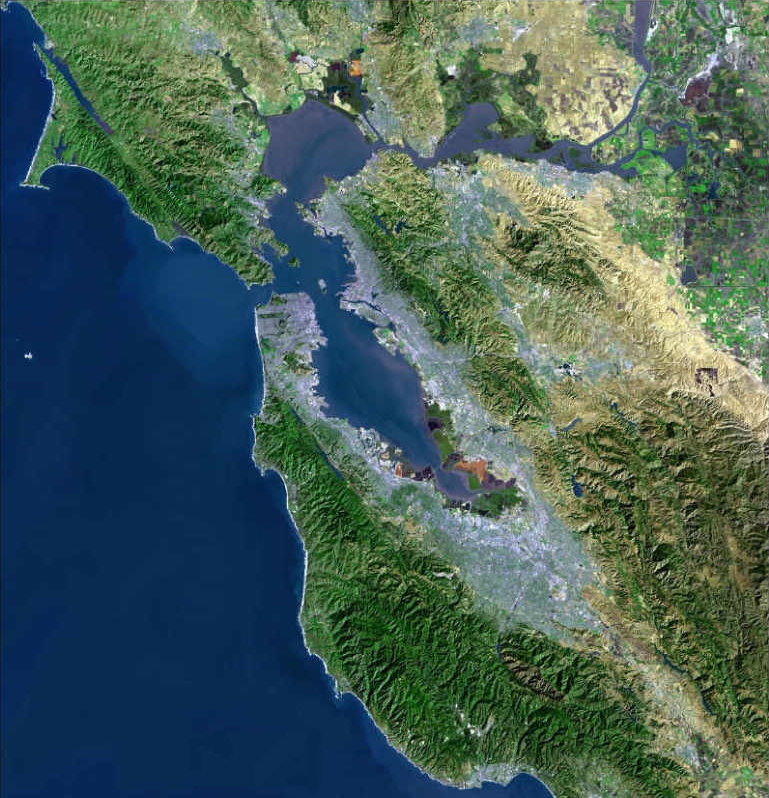
San Francisco is a compact, densely built city on the West Coast of the United States. Located in the state of California, it sits at the tip of a peninsula between the open waters of the Pacific Ocean and the sheltered inlet of the San Francisco Bay. The city proper has roughly three-quarters of a million residents, a figure often expressed as the population, while the larger metropolitan region contains several million people. In size within the United States and its state, San Francisco is notable for being smaller in area but highly influential; it ranks behind Los Angeles, San Diego, and San Jose among California cities by population.
Image gallery
10 Images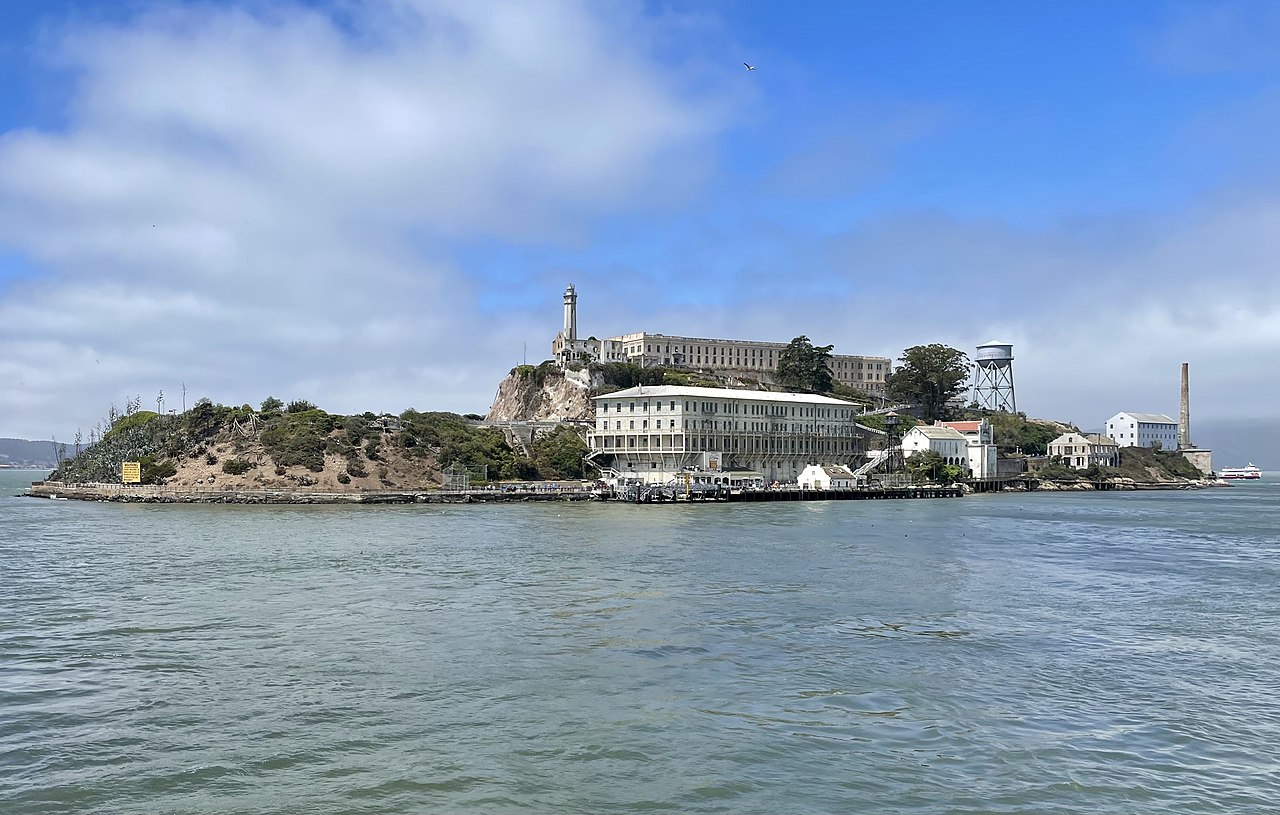





Geography and Neighborhoods
The city's topography is famously hilly, with steep streets, scenic viewpoints, and microclimates that shift neighborhood to neighborhood. San Francisco's urban fabric is interwoven with parks, waterfront promenades, and distinct districts such as Chinatown, the Mission, North Beach, and the Richmond. The city is the urban core of the larger San Francisco Bay Area, a regional economy and cultural zone that includes suburban and satellite communities around the bay.
History and Development
European settlement in the area began in the 18th century with Spanish colonists and missionaries; the small settlement that developed was known as Yerba Buena. After the Mexican period and the U.S. takeover in the mid-19th century, the town was renamed San Francisco and experienced rapid growth during and after the Gold Rush era. Rebuilding after major earthquakes and fires in the early 20th century shaped its modern layout. Across the 20th and 21st centuries, waves of migration, immigration, and economic change—especially the rise of technology and finance—have repeatedly transformed the city's character.
Economy and Influence
San Francisco plays a central role in industries including finance, technology, tourism, and professional services. Its proximity to technology centers across the bay has made it a hub for startups and established firms alike, while tourism draws visitors to iconic sights and neighborhoods. The city's economy is entwined with the broader San Francisco Bay Area labor and innovation market, giving it an outsized cultural and economic influence relative to its geographic size.
Culture, Demographics, and Notable Traits
San Francisco is known for cultural diversity, progressive politics, and an active arts scene. It has a long-standing and visible LGBTQ+ community and history, centered in neighborhoods like the Castro, and hosts major cultural events, parades, and festivals. Culinary variety, independent businesses, and a strong tradition of civic activism are recurring themes in the city's identity.
Landmarks, Transport, and Visiting
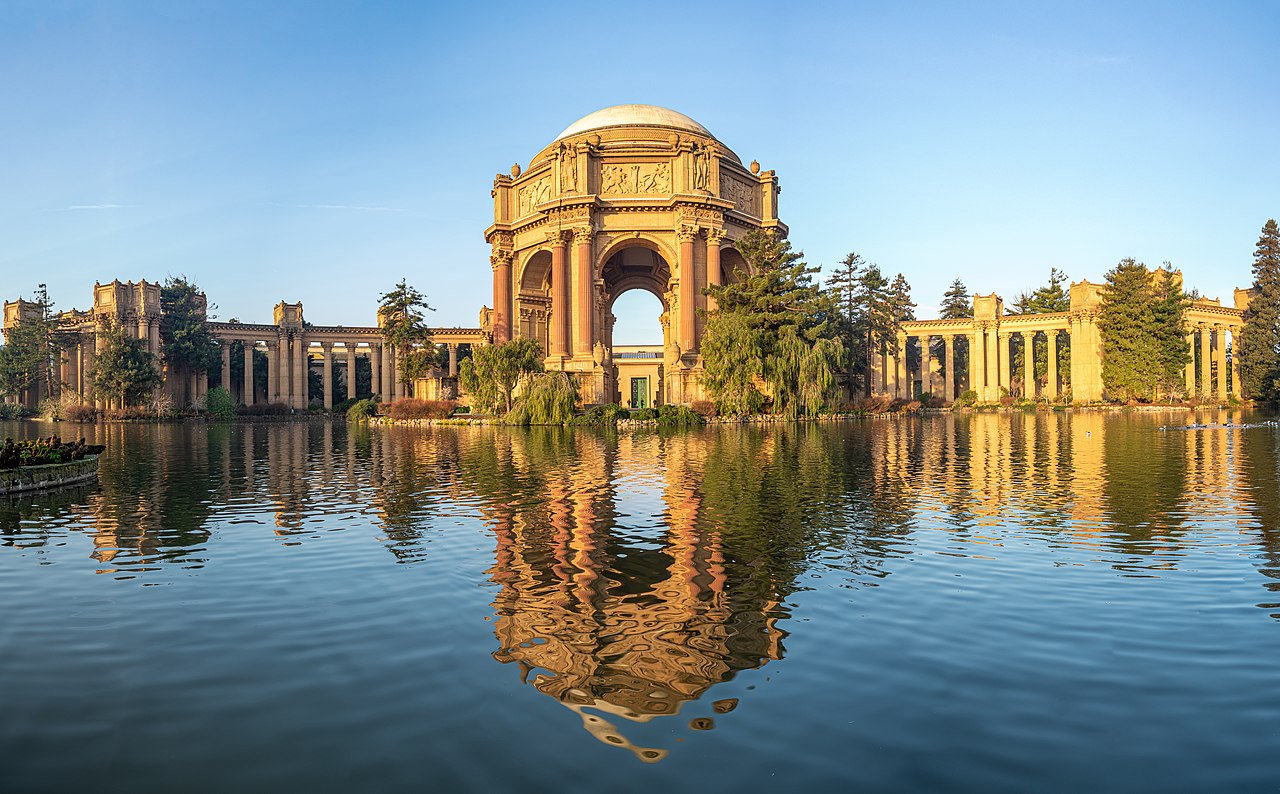
Several landmarks are widely associated with San Francisco and serve as focal points for visitors and residents alike. Notable examples include:
- Golden Gate Bridge — the suspension bridge spanning the bay entrance and one of the city's most recognized images.
- Alcatraz Island — the former federal prison and now a museum site.
- Fisherman's Wharf and Pier attractions — maritime and tourist areas along the northern waterfront.
- Historic cable car lines — surviving examples of early urban transit that are both functional and touristic.
The city is served by multiple highways, public transit systems, and an international airport that links it to domestic and global destinations. As an urban area with complex topography and a dense street grid, transportation planning and housing affordability remain ongoing policy challenges.
San Francisco's combination of natural setting, layered history, economic dynamism, and diverse communities makes it a distinctive American city with local character and international recognition.
Related articles
Author
AlegsaOnline.com San Francisco: Overview, History, Geography, and Culture Leandro Alegsa
URL: https://en.alegsaonline.com/art/86827
Sources
- sfgenealogy.com : "Don't Call It Frisco"
- sfgate.com : "Frisco, that once-verboten term for the city by the bay, is making a comeback among the young and hip. Herb Caen is spinning at warp speed"
- journalism.sfsu.edu : "Locals know best: only tourists call it 'Frisco'"
- sfpl.org : "PPIE: The City That Knows How"
- worldcat.org : 31060237
- youtube.com : "The City" · webcitation.org
- cacities.org : cacities.org/resource_files/20457.IncorpDateLO.doc
- factfinder2.census.gov : "GCT-PH1 - Population, Housing Units, Area, and Density: 2010 - County -- Census Tract"
- factfinder2.census.gov : "GCT-PL2 - Population and Housing Occupancy Status: 2010 - United States -- Combined Statistical Area with Metropolitan and Micropolitan Statistical Area Components; and for Puerto Rico"
- sfmuseum.org : "Yerba Buena Renamed San Francisco - 1847"
- wrh.noaa.gov : wrh.noaa.gov/climate/monthdisp.php?stn=KSFO&p=temperature&mon=12&wfo=mtr&year=2017
- nws.noaa.gov : nws.noaa.gov/climate/xmacis.php?wfo=mtr
- wunderground.com : "Intellicast - Weather Underground"