
Emo (music): origins, styles, culture and influence
Emo is a rock-derived style known for expressive, confessional lyrics and dynamic song structures. This article outlines its origins, musical traits, subgenres, cultural role and notable examples.
Overview
Emo, short for "emotive hardcore" or simply "emotional hardcore," is a style of rock music that emphasizes personal, often introspective and confessional lyrics paired with intense dynamics. Musically it draws on the speed and aggression of hardcore punk and post-hardcore while adding greater melodic emphasis and lyrical vulnerability. Over the decades emo has evolved into a range of substyles, from raw, post-hardcore-rooted sounds to radio-friendly pop-tinged variants.
Image gallery
10 Images




Origins and development
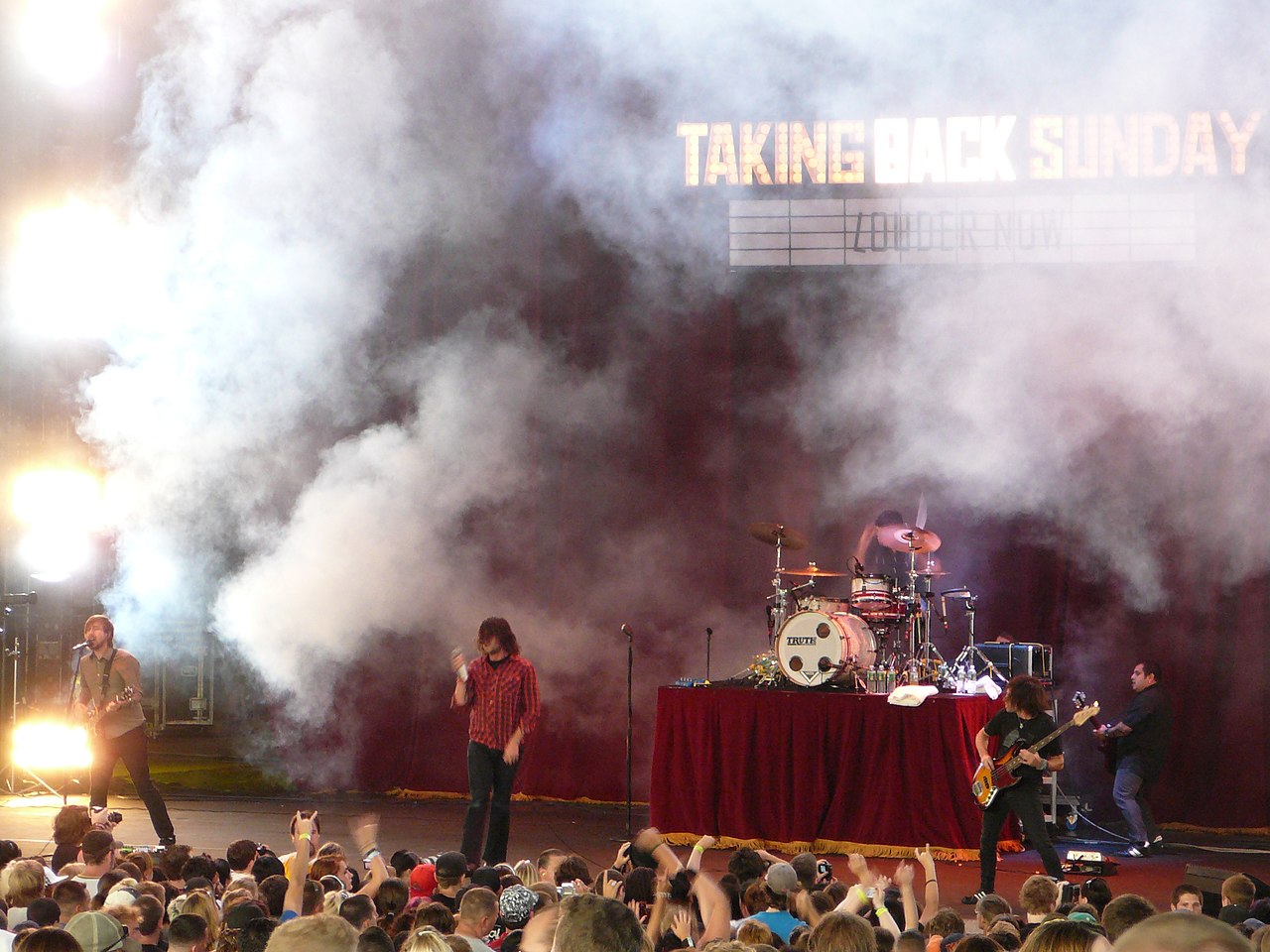
The style emerged in the mid-1980s within the American hardcore punk scene, particularly around Washington, D.C., where early groups combined punk energy with more introspective lyrical subjects and varied song structures. Bands from that period are frequently cited as foundational influences. Through the 1990s, many emo bands absorbed elements of indie rock, producing a less confrontational and more melodic approach that sometimes included acoustic passages. By the late 1990s and into the 2000s, emo entered a broader mainstream consciousness, intersecting with alternative rock, pop-punk and melodic hardcore, which produced widely popular, accessible forms often labeled "emo-pop."
Musical characteristics
Although there is no single formula, common musical traits include:
- Alternating dynamics — quiet, contemplative verses contrasting with loud, cathartic choruses.
- Melodic guitar work that can range from chiming arpeggios to distorted chords and intricate riffs.
- Rhythmic intensity inherited from hardcore punk but with variable tempos.
- Vocal delivery that often conveys vulnerability; this ranges from melodic singing to shouted or screamed passages in more aggressive substyles.
- Lyricism focused on emotional states, relationships, identity and sometimes social alienation.
Subgenres and related movements
Emo has spawned several related terms and offshoots. "Screamo" describes a more abrasive, screamed vocal approach that grew out of late-1990s post-hardcore scenes. "Emo-pop" or "emo pop" refers to commercially successful bands that blend emo themes with pop-punk hooks and polished production. Throughout its history, emo has overlapped with melodic hardcore and various strands of independent rock, producing a spectrum from underground DIY bands to arena-level acts. Readers can explore different scenes and their crossovers via linked resources on melodic hardcore and other genres.
Culture, fashion and reception
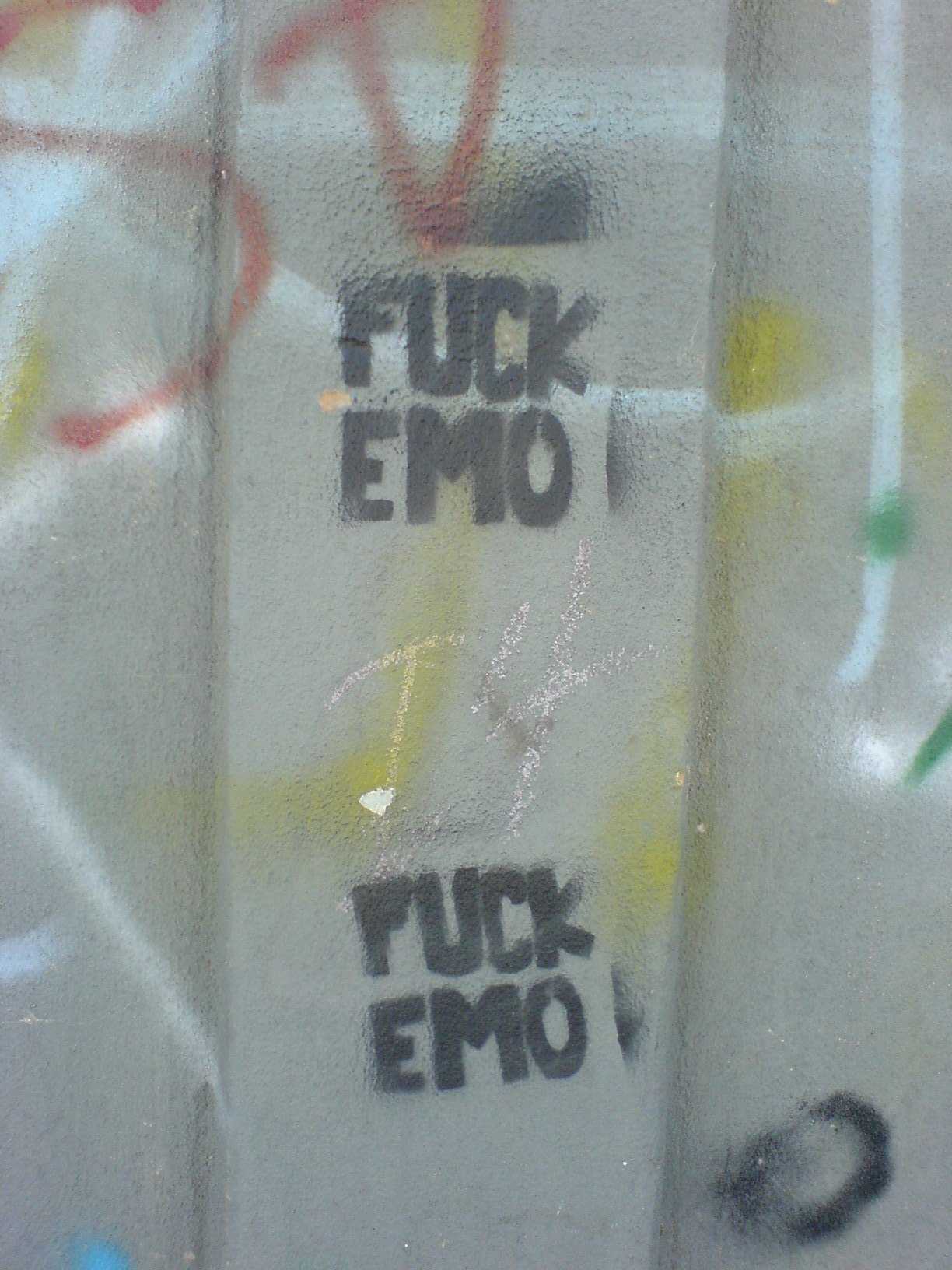
Beyond music, emo has been associated with particular youth subcultures and styles — often characterized in popular accounts by dark clothing, slim-cut jeans, layered hair styles and an emphasis on expressive personal identity. The movement has also faced criticism and stereotyping, especially as certain bands achieved mainstream success and media attention. Debates about authenticity, commercialization and the social meaning of emo are part of its cultural history. Despite controversy, many artists and fans view emo as a space for emotional honesty and creative expression.
Notable examples and legacy
Early influential acts from the formative era are commonly linked to the Washington, D.C. scene; later waves included underground and independent bands that refined the sound in the 1990s, and a number of 2000s acts that brought emo into broader public awareness. The style left a lasting imprint on how rock music handles intimacy and vulnerability, and its influence persists across modern alternative and indie scenes. For further reading on the scene's geography and history see material related to Washington, D.C. music history.
For introductions to adjacent genres and recommended listening, consult overviews of indie rock, alternative rock and melodic hardcore. The development and cultural contours of emo are best understood as an evolving set of sounds and communities rather than a rigid category.
Questions and answers
Q: What is emo music?
A: Emo is a kind of music which is short for "emotive hardcore". It combines the musical sounds of hardcore punk and post-hardcore with sad and sensitive lyricism.
Q: When did the style first form?
A: The style first formed in the mid-1980s.
Q: How did emo incorporate indie rock elements in the mid 1990s?
A: In the mid 1990s, emo incorporated indie rock elements which made bands less angry and 'punk-ish' and more dramatic, sometimes even acoustic.
Q: How has emo been shaped by other genres since 2000?
A: Since 2000, emo has been shaped by pop-punk, alternative rock and melodic hardcore.
Q: Where is the birthplace of emo said to be?
A: The birthplace of the emo style of music is often said to be Washington, D.C., because the first known emo band, Rites Of Spring, was from that city.
Q: What are some characteristics of early emo bands?
A: Early emo bands were characterized by their combination of musical sounds from hardcore punk and post-hardcore with sad and sensitive lyricism.
Related articles
Author
AlegsaOnline.com Emo (music): origins, styles, culture and influence Leandro Alegsa
URL: https://en.alegsaonline.com/art/31242
Sources
- allmusic.com : "Emo Music Genre Overview"
- rollingstone.com : "My Chemical Romance’s Gerard Way Taps Another Nail Into 'Emo' Coffin"
- bbc.co.uk : "Misery Business"
- nme.com : "Panic! At The Disco declare emo 'Bullshit!' The band reject 'weak' stereotype"