
Hippie: 1960s Counterculture Movement and Cultural Legacy
Hippies were members of a 1960s counterculture originating in the United States, recognized for alternative lifestyles, antiwar and civil rights activism, communal living, music, and social experimentation.
Overview
The term hippie (also spelled hippy) refers to people associated with a broad countercultural movement that emerged in the 1960s. It grew from youth subcultures and social currents that challenged prevailing norms about politics, consumption, and social roles. The movement is often described as part of a wider counterculture that sought alternatives to mainstream postwar society.
Image gallery
10 Images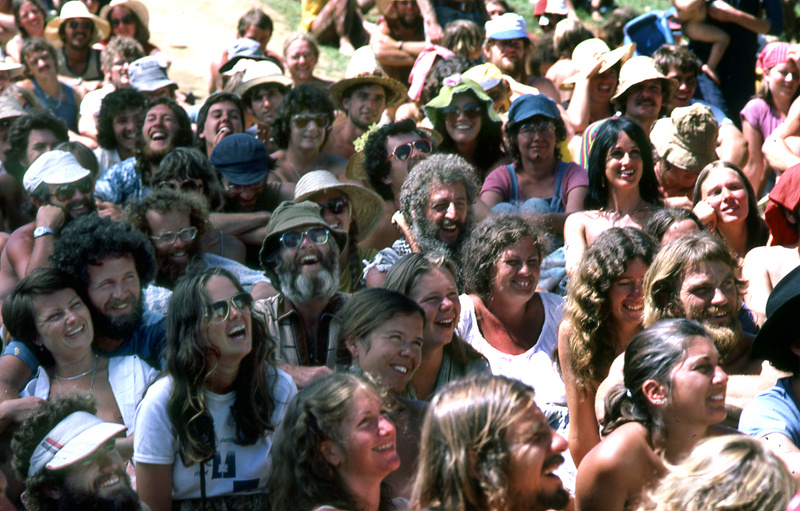



Origins and development
Hippie culture developed in several urban centers, notably in the United States, where many participants gathered in neighborhoods and events that became focal points for the new lifestyle. The rise of the movement is linked to opposition to the Vietnam War, the civil rights movement, and a desire for personal liberation. Early communities and events, such as gatherings in San Francisco's Haight-Ashbury district and the so-called Summer of Love, helped spread ideas and visible expressions of the movement.
Beliefs, practices, and appearance
Hippies did not adhere to a single manifesto; instead, they shared certain tendencies and practices. Common themes included nonconformity, experimentation with communal living, ecological awareness, and critiques of consumerism. Attire commonly associated with hippies emphasized informal, often homemade or ethnic clothing, long hair, and symbolic accessories that signaled identification with the movement.
Typical topics and controversies
- Many hippies advocated sexual freedom and changes in gender roles, contributing to broader conversations about women's rights and sexual norms.
- Views on psychoactive substances varied among individuals, but experimentation with marijuana, LSD, and other drugs was a visible and contentious element; public discussion about drugs remains part of the movement's legacy. (drug culture and debate)
- Political engagement often focused on peace activism, civil rights, and local community projects.
Cultural influence and legacy
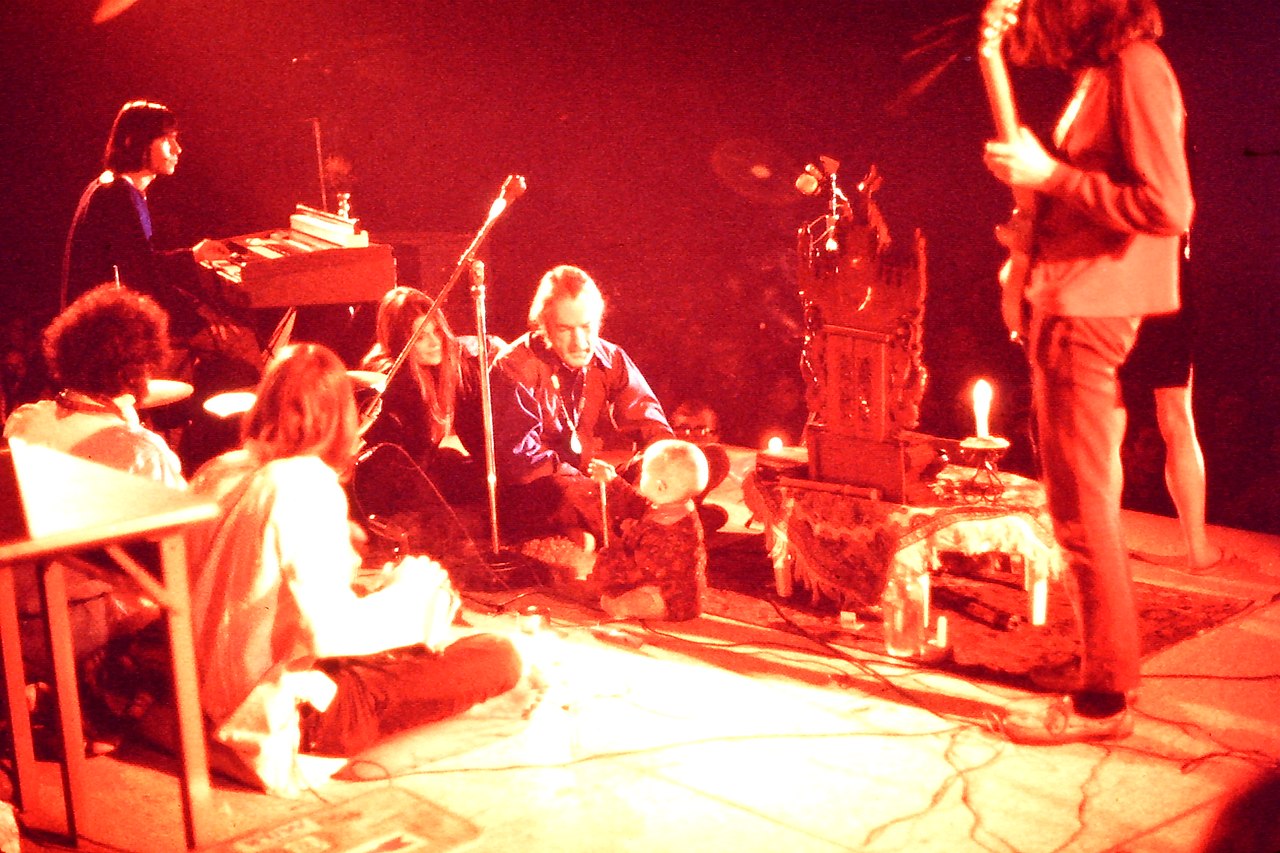
Although the most visible phase of the hippie movement was concentrated in the 1960s, its influence persisted. Musically and artistically, hippies helped popularize folk, rock, and psychedelic styles and supported independent festivals and cooperative enterprises. Elements of hippie thought—such as environmentalism, alternative health practices, and interest in Eastern spirituality—entered wider public discourse and influenced later social movements.
Distinctions and common misconceptions
Not all people labeled as hippies shared the same priorities or lifestyles. Some were primarily political activists, others focused on artistic experimentation or communal living. The stereotype of a uniformly drug-using or apolitical group oversimplifies a diverse movement with regional and individual differences. For more detailed historical and cultural context, see resources about the movement's origins in the United States and its place within broader countercultural developments.
Questions and answers
Q: What is a hippie?
A: A hippie is a person who is part of a counterculture that emerged in the United States in the 1960s, characterized by unconventional beliefs and practices related to drugs, sexual liberation, and women's rights.
Q: How did the hippie movement start?
A: The hippie movement started in the United States in the 1960s as a reaction against the societal norms and values of the time.
Q: What were some of the beliefs and practices of hippies?
A: Hippies had their own beliefs and practices regarding drugs, sexual liberation, and women's rights. They were known for their experimentation with psychedelics, communal living, and rejecting traditional gender roles.
Q: Was the hippie movement only in the United States?
A: No, the hippie movement spread to other countries as well.
Q: What did hippies think about drugs?
A: Hippies had their own opinions on drugs and believed they could expand the mind and help one connect with a higher consciousness.
Q: What was the hippie view on sexual liberation?
A: Hippies believed in sexual liberation, meaning that people should have the freedom to explore their sexuality and express it in whatever way they deemed fit.
Q: How did hippies view women's rights?
A: Hippies were advocates for women's rights and believed that women should have the same opportunities and freedoms as men. They rejected traditional gender roles and patriarchal societal structures.
Related articles
Author
AlegsaOnline.com Hippie: 1960s Counterculture Movement and Cultural Legacy Leandro Alegsa
URL: https://en.alegsaonline.com/art/44331