
Activism: purposes, methods, history, and cultural forms
Collective and individual actions intended to influence social, political, or cultural change. Explains common tactics, history, artistic forms, uses, and differences between types of activism.
Activism describes organized effort or individual action aimed at creating, resisting, or shaping change in society. It can target public policy, corporate behavior, cultural norms, or individual habits. Many accounts treat activism as a broad category of civic engagement; some sources define it simply as action to affect social or political change see overview.
Image gallery
5 Images



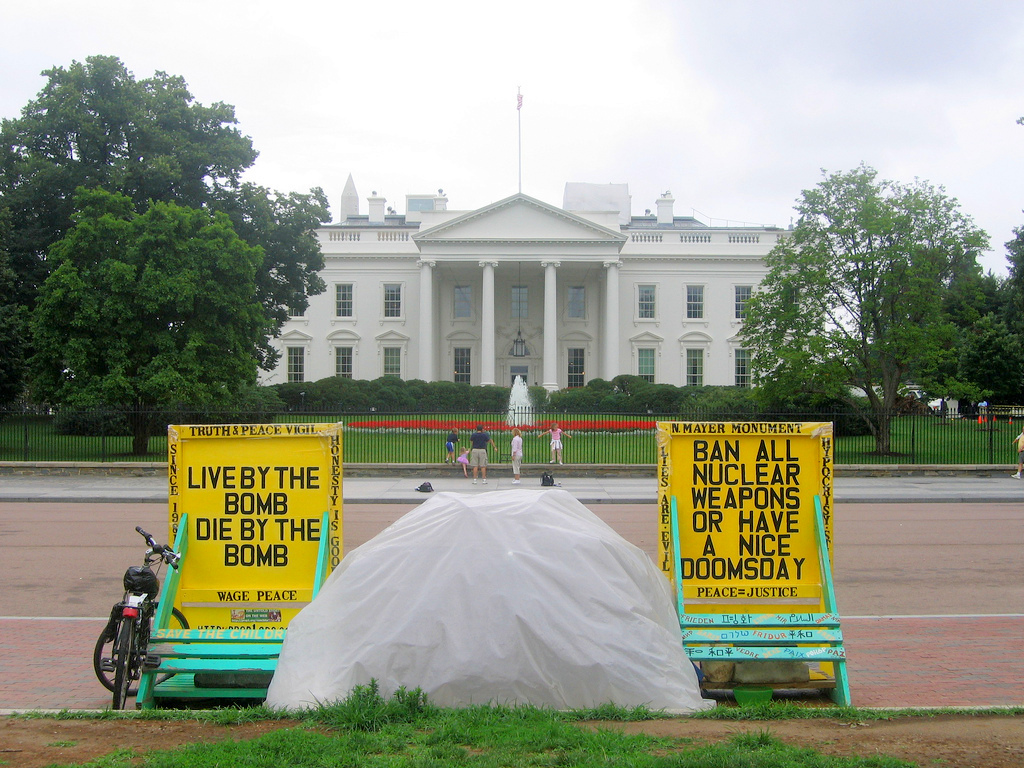
Characteristics and common tactics
Activism takes many forms and scales from a single petition to long-term social movements. It often seeks to influence governments and public institutions, for example pressing a government to change laws or regulations. Tactics differ by context, legal constraints, and strategy.
- Public gatherings and demonstrations: rallies and street marches.
- Work stoppages: strikes as an economic lever (strikes).
- Nonviolent occupation: sit-ins and occupations (sit-ins).
- Extreme personal protest: hunger strikes to draw attention (hunger strikes).
- Digital campaigns, legal challenges, lobbying, and community organizing.
History and development
Forms of activism have existed where people clustered to address shared grievances. Organized campaigns gained modern shape with movements for labor rights, suffrage, civil rights, environmental protection and decolonization. Over time activists have experimented with tactics ranging from legal petitions and boycotts to civil disobedience and mass mobilization. Movements often adapt technologies and media of their era, which changes scale and speed of coordination.
Art, culture, and "artivism"
Cultural expression is a frequent element of activism. Artists and creators use visual art, music, theater, and performance to communicate messages, recruit supporters, or satirize opponents. When artistic practice and political action intersect, practitioners sometimes call the result art-based activism. Street-level visual interventions are a visible strand of that work, often referred to as street art. The portmanteau artivism describes projects that intentionally blend aesthetics and protest to reach wider audiences.
Uses, examples, and importance
Activism can shape public debate, pressure decision-makers, and create alternatives such as cooperative enterprises or community services. It has been central to expanding franchise rights, securing workplace protections, protecting the environment, and improving public health. Examples range from local neighborhood campaigns to international advocacy networks that coordinate cross-border pressure.
Distinctions and considerations
Not all activism is identical: it ranges from institutional advocacy carried out through formal channels to disruptive civil disobedience that deliberately breaks laws to highlight injustice. Debates about tactics, effectiveness, and ethics are common. Practitioners must weigh legal risks, public perception, and the potential for unintended harm when planning actions. Historical outcomes show both significant social gains and the possibility of backlash, so context and strategy matter greatly.
Related articles
Author
AlegsaOnline.com Activism: purposes, methods, history, and cultural forms Leandro Alegsa
URL: https://en.alegsaonline.com/art/803