
Musical instrument: types, history, and roles in music
Introduction to musical instruments: definitions, families (strings, winds, brass, woodwind, percussion, keyboards), history, uses in ensembles and the human voice as an instrument.
Overview
A musical instrument is any device or object used intentionally to produce musical sounds. In the broadest sense anything that generates audible vibration can serve as an instrument, but the term usually denotes tools designed or adopted for making music and controlled by performers. Instruments are central to musical traditions worldwide and appear in solo, chamber, and large ensemble contexts. For a general reference see music and for a basic definition of sound.
Image gallery
10 Images



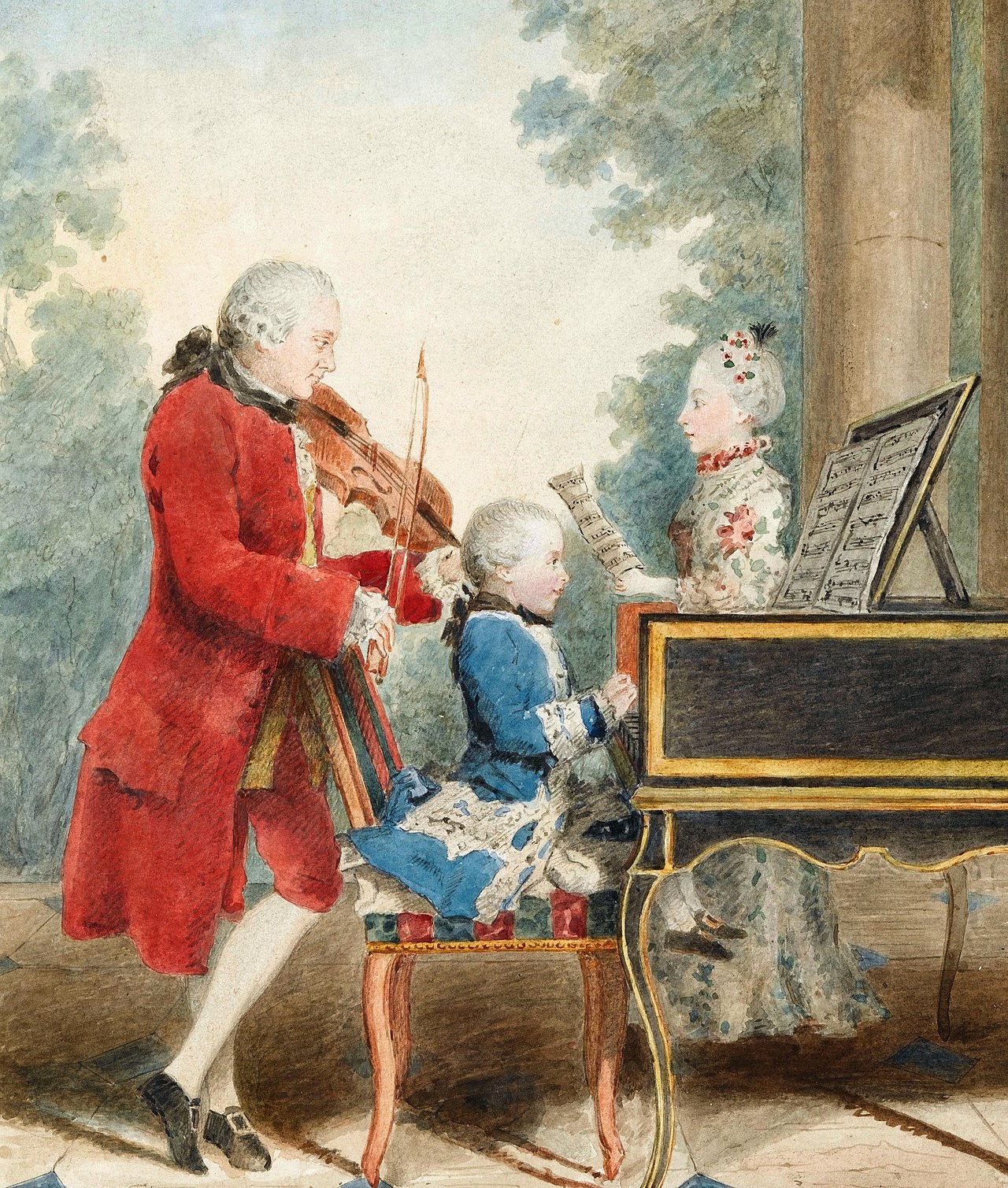


Classification and families
Instruments are commonly grouped by how they produce sound. These families help describe construction, playing technique, and role in an ensemble:
- String instruments — sound from vibrating strings, played by plucking or bowing; see string instruments, plucked and bowed techniques.
- Wind instruments — sound produced by air columns set into vibration; general category: wind instruments.
- Woodwind — air-driven instruments with reeds or open holes, listed under woodwind.
- Brass — lips buzzing into a cup- or funnel-shaped mouthpiece, see brass.
- Percussion — instruments struck, shaken or scraped to make sound, including tuned and untuned types; see percussion.
- Keyboard — instruments organized around a keyboard mechanism that often control strings, pipes, or electronic sound sources; see keyboard instruments.
Orchestral roles and common examples
A modern symphony orchestra draws on four principal groups to cover a wide sonic range: bowed strings, woodwinds, brass, and percussion. Typical examples include the violin in the bowed string family (violin), the flute among woodwinds (flute), the trumpet in brass (trumpet), and drums representing the percussion section (drums). The overall ensemble concept is discussed under orchestra.
History and development
Musical instruments have evolved for millennia. Early forms were simple — flutes carved from bone, percussion from natural objects, strings stretched across frames — and gradually developed into the sophisticated, specially crafted instruments used today. Innovations in materials, acoustics, and technology (from refined metallurgy to electronic synthesis) have continually expanded musical possibilities and timbral variety.
Playing, uses, and notable distinctions
Instruments serve many musical functions: melody, harmony, rhythm, color and accompaniment. Techniques differ widely — articulation and breath control in winds, bowing and fingering in strings, striking patterns in percussion, and coordinated fingerwork on keyboards. In some contexts the human voice is treated as an instrument: vocal production is studied alongside instrumental technique because voice and singing produce pitch, timbre and phrasing similar to other instruments.
Understanding instruments involves construction, acoustics, repertoire and cultural role. For deeper study, follow introductory resources and specialized guides on each family and instrument type.
Questions and answers
Q: What are musical instruments?
A: Musical instruments are things used to make music, generally referring to items specifically made for making music.
Q: How can musical instruments be divided by type?
A: Musical instruments can be divided by type into string instruments (plucked or bowed), wind instruments (woodwind and brass), percussion instruments, and keyboard instruments.
Q: What instruments belong to the bowed string family?
A: Instruments belonging to the bowed string family include the violin, viola, cello, and double bass.
Q: What instruments belong to the woodwind family?
A: Instruments belonging to the woodwind family include the flute, clarinet, oboe, and bassoon.
Q: What instruments belong to the brass family?
A: Instruments belonging to the brass family include the trumpet, trombone, French horn, and tuba.
Q: What instruments belong to the percussion family?
A: Instruments belonging to the percussion family include drums, cymbals, xylophone, maracas, tambourine, and triangle.
Q: What is considered as a natural musical instrument?
A: Some people consider the voice as a "natural musical instrument" because singing is a way to make music without any instrument at all.
Related articles
Author
AlegsaOnline.com Musical instrument: types, history, and roles in music Leandro Alegsa
URL: https://en.alegsaonline.com/art/67768